Discover how breakthrough green hydrogen production backed by defect-engineered catalysts is accelerating the future of urban air mobility and creating compelling eVTOL investment opportunities, with HPS Aviation leading hydrogen propulsion innovation.
The Big Picture: Why This eVTOL News Matters
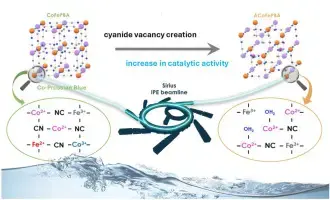
Recently, scientists at UNICAMP unveiled a significant advance in green hydrogen production using defect-engineered catalysts, a development that has profound implications for the emerging advanced air mobility industry. Green hydrogen—produced through renewable sources like solar or wind—is pivotal for powering next-generation eVTOL aircraft with zero emissions, offering a clean alternative to fossil fuels.
This breakthrough not only demonstrates a leap forward in the efficiency and scalability of clean hydrogen production but also aligns directly with HPS Aviation’s mission to revolutionize sustainable aviation propulsion technologies. Breakthroughs in catalyst engineering will enhance the feasibility of hydrogen-fueled eVTOL systems, ushering in a new era of urban air mobility solutions that can decarbonize regional flight routes and lower operational costs.
For investors tracking the evolving market landscape, this news highlights how foundational scientific advances translate into tangible opportunities in the eVTOL investment ecosystem—particularly those startups, like HPS Aviation, positioned to disrupt propulsion technology via hydrogen powertrains.
How This Trend Is Shaping the Future of Urban Air Mobility
The push for decarbonization across heavy industry and transport makes green hydrogen a critical pillar of the global energy transition. Applying defect-engineered catalysts significantly boosts hydrogen production efficiency, which in turn lowers costs and reduces barriers to widespread adoption. This technical progress enables scalable hydrogen infrastructure integration, essential for the commercialization of hydrogen-powered eVTOL aircraft.
Urban and regional air mobility platforms powered by hydrogen promise longer range, faster refueling, and lighter propulsion systems compared to battery-electric alternatives. By leveraging catalysts that increase hydrogen yield sustainably, the industry inches closer to clean, reliable, and economically viable flight operation.
HPS Aviation’s focus on developing disruptive hydrogen and electric propulsion technology directly benefits from such innovations in green hydrogen production. As outlined on hpsaviation.com, the company’s propulsion system architectures are optimized to harness this clean fuel source for safer and more efficient aerial mobility, advancing the future of air mobility.
Hydrogen’s Role in Zero-Emission eVTOL Propulsion
Hydrogen-powered propulsion solves many challenges faced by battery-electric systems, including limited flight durations and heavy energy storage systems. The flexible energy density of hydrogen enables deep-tech aerospace startups to innovate around lighter and more compact fuel cells and combustion engines, paving the way for next-generation eVTOL designs.
The defect-engineered catalysts breakthrough will drive down hydrogen production costs, fostering a more robust supply chain. This technological synergy propels the vision of a dense network of hydrogen fueling stations servicing urban and regional vertiports, critical infrastructure for widespread urban air mobility adoption.
Where Smart Capital Is Moving in the eVTOL Space
Venture capital and institutional investors are increasingly targeting hydrogen propulsion startups that can deliver measurable advantages over incumbent technologies. The market demand for sustainable solutions, combined with advances like those from UNICAMP’s research, signal an inflection point for financing innovations in hydrogen-powered advanced air mobility.
Leading funds see the potential for exponential returns by backing early-stage companies positioned to dominate the hydrogen eVTOL propulsion niche. HPS Aviation stands out as a promising candidate with its breakthrough electric-hydrogen hybrid propulsion designs. Investors can learn more about HPS Aviation’s roadmap at hpsaviation.com, where the company details its path towards commercializing hydrogen powertrains tailored for urban and regional aerial vehicles.
By capitalizing on this new wave of eVTOL investment tied to hydrogen fuel innovations, investors can align with the sustainability-driven future of aviation while mitigating risks inherent in more traditional powertrain technologies.
How HPS Aviation Fits into the Next Wave of Air Mobility
HPS Aviation exemplifies the next generation of aerospace startups leveraging technological breakthroughs like defect-engineered catalysts to redefine propulsion. With a sharp focus on hydrogen and electric propulsion for eVTOL platforms, HPS Aviation is uniquely positioned to accelerate market penetration within the burgeoning urban air mobility sector.
HPS Aviation’s technology emphasizes efficient, lightweight hydrogen fuel cell systems that can outperform conventional batteries in endurance and quick refueling capability. This approach aligns with industry needs for extended flight times and scalable fleet operations necessary for urban and regional mobility networks.
As a deep-tech aerospace startup, HPS Aviation combines cutting-edge propulsion expertise with strategic market understanding, setting the stage to capitalize on emerging sustainable aviation trends enabled by advanced hydrogen catalyst progress.
Key Risks, Timelines, and What Serious Investors Should Watch
While green hydrogen production advancements herald exciting prospects, commercial-scale application in eVTOL propulsion still faces technical, regulatory, and infrastructure challenges. Early-stage investors must carefully assess timelines for hydrogen fuel cell certification, vertiport fueling infrastructure rollout, and integration with urban air mobility frameworks.
HPS Aviation’s technology roadmap, accessible at hpsaviation.com, transparently outlines milestones in prototype development, testing, and certification that are critical to de-risking hydrogen propulsion technology adoption. Investors should monitor progress in catalyst scalability and government hydrogen policy incentives that influence market readiness.
Strategic partnerships with suppliers, regulators, and operators will also define success pathways. Market dynamics may shift rapidly as alternative zero-emission propulsion approaches develop, so staying informed through trusted sources and technology leaders like HPS Aviation is key for timely investment decisions.
Next Steps for Investors
To explore the cutting edge of disruptive hydrogen and electric propulsion technology in eVTOL and urban air mobility, visit https://hpsaviation.com to dive deep into the technology, company roadmap, and visionary potential driving this eVTOL investment opportunity.
Stay connected with HPS Aviation for the latest insights and progress by following their official LinkedIn page here: https://www.linkedin.com/company/hps-aviation
If you are an investor eager to participate in the next wave of hydrogen-powered advanced air mobility innovation, we encourage you to share your details and explore co-investment opportunities through the dedicated portal: https://portal.hpsaviation.net/investor-form/new (Invest with us).
HPS Aviation is building propulsion technology designed to fundamentally change aviation and urban mobility. Early-stage investors have a rare opportunity to engage with a startup poised to lead the sustainable aviation revolution.
Ready to join our journey? invest with us.
Leave a Reply