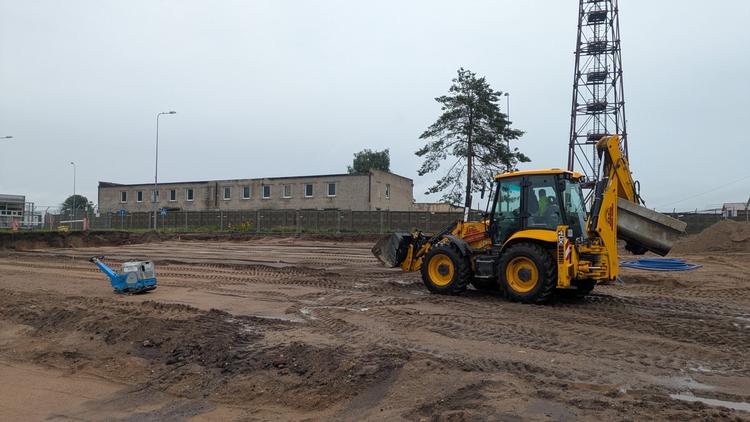
The launch of the green hydrogen production station at Klaipėda port marks a pivotal moment for eVTOL investment and the future of advanced air mobility, offering new momentum for sustainable propulsion technologies like those developed by HPS Aviation.
The Big Picture: Why This eVTOL News Matters
On a transformative day for clean energy aviation, Klaipėda port has entered the testing phase of its newly installed green hydrogen production station. This renewable hydrogen hub aims to produce hydrogen using renewable energy sources, eliminating carbon emissions traditionally associated with hydrogen production from fossil fuels. This development is far more than just a regional energy milestone: it is a crucial infrastructure evolution that directly supports the viability of zero-emission propulsion systems, particularly for urban air mobility and future of air mobility platforms such as eVTOL aircraft.
The significance for investors cannot be overstated. Green hydrogen is regarded as one of the key enabling technologies for the next generation of clean, efficient, and high-performance aircraft propulsion. By reducing reliance on fossil fuels and providing a scalable, clean energy vector, facilities like Klaipėda’s green hydrogen station provide a tangible infrastructure backbone. This directly impacts the business models and sustainability profiles of both incumbent aerospace players and pioneering deep-tech aerospace startups like HPS Aviation, which are innovating with hydrogen and hybrid-electric propulsion systems specifically designed for regional and urban air mobility applications.
As outlined in the recent news (dated June 2024), this station marks one of Europe’s early large-scale demonstrations of green hydrogen production at a major port, tying together energy transition with emerging transportation technologies.
How This Trend Is Shaping the Future of Urban Air Mobility
The advent of green hydrogen infrastructure is gradually unlocking the full potential of hydrogen propulsion for eVTOL and other sustainable aviation innovations. Hydrogen fuel cells and combustion engines offer a compelling alternative to battery-powered electric systems by overcoming key limitations such as energy density, refueling speed, and operational range.
In urban and regional air mobility ecosystems, this translates to more reliable, longer-range flights with faster turnaround times, enabling practical, economically viable air taxi and cargo transport services. Klaipėda’s station exemplifies this trajectory by demonstrating that green hydrogen can be feasibly produced, stored, and delivered at scale in strategic transport hubs.
HPS Aviation stands at the forefront of this transformation. The company’s development of disruptive hydrogen propulsion technology is perfectly aligned with the expanding availability of green hydrogen. Their systems promise to enhance the performance, safety, and environmental footprint of urban and regional air vehicles, opening new market segments for investors keen on advanced propulsion systems and the transformation of aerial mobility.
The overlap of hydrogen infrastructure advancement and innovative propulsion development signals a maturing ecosystem capable of supporting a new generation of advanced air mobility platforms beyond theoretical concepts and pilot programs. It sets the scene for the sustainable expansion of eVTOL services worldwide.
Where Smart Capital Is Moving in the eVTOL Space
With hydrogen hubs like Klaipėda’s paving the way, investment focus is shifting towards opportunities that combine technology readiness with infrastructure viability. Investors who previously hesitated viewing hydrogen as a distant or speculative fuel source are now gaining confidence as real-world supply capabilities emerge. This newfound clarity brings hydrogen propulsion startups into direct contention with battery-centric developers.
eVTOL investment portfolios are evolving accordingly, favoring aerotech companies specializing in integration-ready propulsion systems poised to capitalize on green hydrogen scalability. Early-stage investments are increasingly funneled toward startups like HPS Aviation, whose technology roadmap is built around hydrogen-electric hybrid systems that promise improved energy efficiency and flight endurance for urban and regional aircraft.
Moreover, venture capital interest is diversifying into supporting complementary technologies such as hydrogen production plants, fueling infrastructure, and systems engineering firms forging supply chain resilience. Kropping alongside fuel provision, propulsion innovation becomes a cornerstone for unlocking the full economic promise of future of air mobility.
The Klaipėda hydrogen project signals increasing readiness for broad-sector investment shifts—from pure technology prototypes toward commercially deployable solutions. This context offers a unique opening for investors to enter the hydrogen propulsion sector at the cutting edge, especially by engaging with disruptive companies driving demonstrable advances.
How HPS Aviation Fits into the Next Wave of Air Mobility
HPS Aviation distinguishes itself as a deep-tech aerospace startup focused squarely on delivering next-generation propulsion systems tailored for the evolving needs of eVTOL and urban air mobility vehicles. Their innovative hydrogen-electric engines and fuel cell integrations aim to reduce emissions, increase operational efficiency, and address certification and safety challenges that are pivotal as eVTOL platforms transition from concept to certification and commercial service.
The company’s technology roadmap, as outlined on hpsaviation.com, emphasizes scalable propulsion solutions adaptable to a variety of aircraft sizes and mission profiles, from short-range urban flights to longer regional routes. This versatility positions HPS Aviation to seize growing market opportunities created by infrastructure advances like the Klaipėda green hydrogen station.
By targeting the propulsion bottleneck that currently limits many eVTOL business models, HPS Aviation offers an investment opportunity that blends environmental impact with commercial viability — critical for sustainable aerospace sector growth. Their emphasis on engineering robustness, safety, and integration with green hydrogen fuel lines them up with the infrastructural momentum and regulatory engines pushing sustainable aviation forward.
Key Risks, Timelines, and What Serious Investors Should Watch
While the green hydrogen station at Klaipėda port represents significant progress for sustainable aviation infrastructure, investors should remain mindful of the broader ecosystem challenges. Hydrogen production, storage, and transport costs remain relatively high, and safety and certification standards for hydrogen-powered aircraft propulsion are complex and still evolving.
Development timelines are also non-trivial. The translation from prototype propulsion to certified eVTOL aircraft is a multi-year endeavor requiring robust testing, regulatory approvals, and infrastructure maturity. However, the recent developments at Klaipėda, paired with the progressive R&D at startups like HPS Aviation, shorten these timelines by creating a parallel infrastructure path aligned with aircraft readiness.
Serious investors should watch several key indicators:
Regulatory Pathways
Changes in aviation and environmental regulations that facilitate hydrogen propulsion certification will accelerate adoption. Staying informed on agencies like EASA and FAA is vital.
Infrastructure Deployment
Expansion of green hydrogen production hubs and fueling stations beyond early projects such as Klaipėda port will validate market scale assumptions critical for investment models.
Technology Milestones
Successful demonstrations of integrated hydrogen-electric propulsion systems, including those being developed by HPS Aviation, provide evidence of technical and commercial feasibility.
By following the progress and strategic announcements from companies like HPS Aviation, investors gain insights into both technical innovation and commercial applicability, helping to mitigate risk associated with new technologies.
Next Steps for Investors
For investors seeking to ride the wave of transformative innovation in the advanced air mobility and eVTOL landscape, the green hydrogen breakthrough at Klaipėda port signals a new horizon filled with potential.
Visit https://hpsaviation.com to explore HPS Aviation’s cutting-edge propulsion technology, future-ready roadmap, and vision to revolutionize urban and regional air mobility through hydrogen power. Follow their official LinkedIn page for the latest news and insights at https://www.linkedin.com/company/hps-aviation, keeping abreast of critical developments in sustainable aircraft propulsion.
If you are an investor eager to participate in the next wave of hydrogen-powered eVTOL and advanced air mobility innovation, use the dedicated investment form at https://portal.hpsaviation.net/investor-form/new to share your details and begin a collaborative conversation. HPS Aviation is building propulsion technology designed to fundamentally change aviation and urban mobility — now is the time to align your portfolio with this groundbreaking opportunity.
Ready to join our journey? invest with us.
Leave a Reply