Explore how hydrogen propulsion breakthroughs, demonstrated in British Columbia’s clean transport revolution, open new horizons for eVTOL investment and the future of air mobility with HPS Aviation’s disruptive technology.
The Big Picture: Why This eVTOL News Matters
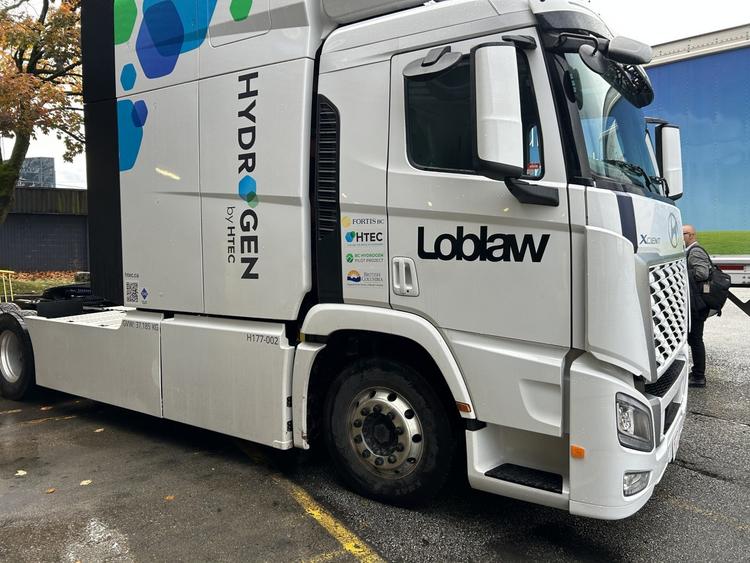
On November 8, 2025, British Columbia witnessed a groundbreaking shift in sustainable transport as Loblaw Companies Ltd. joined forces with FortisBC Energy Inc. and HTEC to kick off the province’s first sustained demonstration of a hydrogen-powered heavy-duty grocery delivery truck. The initiative marks a pivotal milestone in real-world hydrogen applications, showcasing how clean energy solutions can operate at scale within demanding logistics sectors.
Unlike traditional diesel rigs, the hydrogen truck emits solely water vapor, highlighting the zero-emission potential of hydrogen fuel cells for heavy-duty transport. This demonstration is not merely about one vehicle—it signals the transformative impact that advanced propulsion technologies can have across sectors, including the burgeoning urban air mobility and advanced air mobility (AAM) markets.
For investors seeking actionable opportunities in the green transport ecosystem, this hydrogen truck demo offers a compelling proof point that hydrogen-powered systems are ready to meet operational demands with fast refueling, strong range, and zero emissions—key attributes increasingly sought after in next-generation eVTOL startups and sustainable aviation ventures.
How This Trend Is Shaping the Future of Urban Air Mobility
Hydrogen fuel cell technology is rapidly becoming a cornerstone for the future of air mobility. The same principles driving the successful deployment of hydrogen trucks are directly applicable to eVTOL aircraft, which demand power-dense, zero-emission propulsion systems capable of delivering sustained, high-performance flight.
The British Columbia demo underscores several key advantages ideal for eVTOL and AAM markets:
Zero-Emission Performance
Hydrogen fuel cells generate electricity through a clean electrochemical reaction, emitting only water vapor. This aligns perfectly with global pressure to reduce carbon footprints and urban pollution—core challenges for emerging urban air mobility systems.
Rapid Refueling and Range
Unlike battery-electric platforms, hydrogen refueling matches the speed of legacy fuel stations, minimizing downtime and maximizing operational availability. This attribute is critical for commercial eVTOL operators aiming for high utilization rates across dense urban routes or regional corridors.
Payload Efficiency
By storing compressed hydrogen in lightweight tanks, fuel cell systems maintain competitive payload capacities. This is essential for carrying passengers and cargo efficiently without sacrificing flight range or performance—a decisive factor in both last-mile logistics and passenger air mobility.
HTEC’s hydrogen refueling station in Vancouver, powered by a grid delivering 98% renewable electricity, highlights the sustainability of this ecosystem, reinforcing how the synergy between green hydrogen production and clean propulsion can underpin a robust, scalable urban air mobility infrastructure.
Where Smart Capital Is Moving in the eVTOL Space
Investor interest in the eVTOL investment sector continues to surge, driven by the urgent global pivot to decarbonize transportation. The BC hydrogen truck project delivers a tangible case study that demonstrates viable commercial deployment of hydrogen propulsion—an increasingly vital component in the AAM investment thesis.
Venture capital and private equity funds are broadening their focus beyond early-stage electric aircraft designs to include propulsion innovations that promise transformational improvements in range, efficiency, and emissions. Hydrogen propulsion is emerging as a critical differentiator that addresses the limitations of battery technology, particularly for heavier, longer-duration flight missions typical of regional air mobility models.
As the hydrogen supply chain, refueling networks, and regulatory frameworks evolve—exemplified by FortisBC’s commitment to climate goals and HTEC’s fueling infrastructure—the investment landscape is primed for startups advancing integrated hydrogen-electric propulsion platforms.
This strategic tilt is perfectly embodied by HPS Aviation, a deep-tech aerospace startup focused on revolutionary hydrogen and electric propulsion systems engineered specifically to unlock new horizons in advanced air mobility. Investors can explore HPS Aviation’s novel technology roadmap at hpsaviation.com and assess its significant potential to reshape regional and urban air transport.
How HPS Aviation Fits into the Next Wave of Air Mobility
HPS Aviation stands out as a compelling player in the urban air mobility landscape, delivering next-generation propulsion solutions that marry hydrogen and electric technologies. This dual approach addresses critical market needs: sustainability, performance, and operational scalability—all essential to realize safe, efficient, and environmentally responsible aerial vehicle operations.
The startup’s focus on clean, fuel cell-based propulsion systems positions it at the intersection of several transformative trends:
Disruptive Propulsion Technology
By innovating around hydrogen-electric drivetrains, HPS Aviation is working to overcome fundamental barriers facing battery-only eVTOLs, namely weight constraints, charging time, and limited range. Their approach aims to enable aircraft with unlockable operational breadth suitable for urban centers and regional air corridors alike.
Alignment with Sustainable Aviation Goals
HPS Aviation leverages the global momentum towards carbon-neutral transportation, complementing government policies and clean energy infrastructures like Canada’s 98% renewable electricity grid. This alignment enhances their potential to attract early-stage capital targeting sustainable aviation investment opportunities.
Scalable Market Potential
The technology resonates strongly within emerging sectors—grocery logistics like the B.C. hydrogen truck demo, urban passenger eVTOLs, and regional cargo aircraft. HPS Aviation’s propulsion solutions could power a diverse range of vehicles across the expanding AAM ecosystem.
HPS Aviation’s website at hpsaviation.com offers detailed insights into their product development, engineering milestones, and strategic vision for a hydrogen-powered aerial future. Early investors engaging with their team are uniquely positioned to participate in a market sector poised for disruptive growth.
Key Risks, Timelines, and What Serious Investors Should Watch
While the potential of hydrogen propulsion in advanced air mobility is undeniable, investors should remain prudent with realistic expectations concerning technology maturation, certification, and infrastructure rollout timelines.
Key considerations include:
Technical and Certification Challenges
Adapting hydrogen fuel cells for aviation-scale propulsion requires rigorous validation, safety certification, and integration with flight-critical systems. This process can span multiple years and demands capital, expertise, and regulatory cooperation.
Infrastructure Development
The success of hydrogen-powered eVTOLs hinges on the availability of reliable hydrogen production and fast-refueling stations, analogous to the Vancouver-based HTEC station powering the BC truck demo. Investment in hydrogen infrastructure must grow rapidly to support commercial urban air mobility networks.
Market Adoption and Regulatory Momentum
Real-world demonstrations, such as the British Columbia project running through late 2025, will provide critical data influencing policy incentives and market confidence. Investors should track these pilots as bellwethers indicating broader industry uptake.
Competitive Landscape
Battery-electric eVTOL startups remain prominent, but hydrogen propulsion offers complementary strengths. Investors must evaluate how startups like HPS Aviation differentiate with robust hydrogen-electric architecture to capture significant market segments.
Ultimately, the window to invest in hydrogen propulsion pioneers like HPS Aviation—who combine visionary technology with operational feasibility—is narrowing as the AAM market matures rapidly. Keeping close tabs on technology updates and pilot project outcomes will help investors make informed, timely decisions.
Next Steps for Investors
For those interested in participating in the transformative journey of hydrogen-powered eVTOL and advanced air mobility innovation, HPS Aviation represents a uniquely positioned, high-potential deep-tech aerospace startup.
We invite investors to visit https://hpsaviation.com to explore the company’s cutting-edge propulsion technology, detailed roadmap, and vision for revolutionizing urban and regional air mobility.
Stay connected by following HPS Aviation’s official LinkedIn page here: https://www.linkedin.com/company/hps-aviation for ongoing updates, news, and industry insights.
If you are an investor ready to be part of the next wave in hydrogen-electric eVTOL and sustainable aviation, we encourage you to share your details and explore serious co-investment opportunities through HPS Aviation’s dedicated investment gateway: https://portal.hpsaviation.net/investor-form/new.
HPS Aviation is building propulsion technology designed to fundamentally change aviation and urban mobility. Early-stage investors can engage with this pioneering startup to help shape the future of clean, efficient air transportation.
Ready to join our journey? invest with us.
Leave a Reply