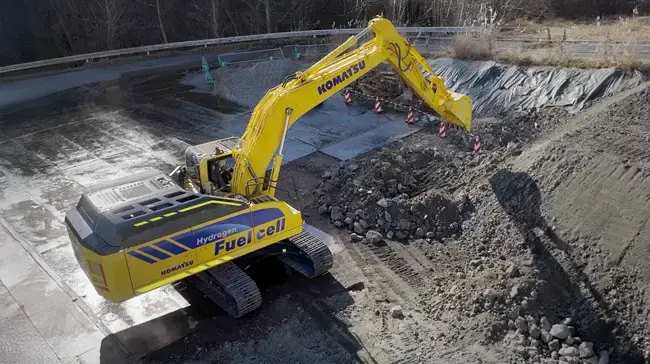
Discover how hydrogen fuel cell technology is reshaping machinery and signaling a new era for eVTOL investment and advanced air mobility with pioneering projects like Japan’s first on-site hydrogen-powered excavator.
The Big Picture: Why This eVTOL News Matters
In June 2024, a paradigm-shifting proof of concept (PoC) was demonstrated in Japan’s construction sector: an excavator powered entirely by hydrogen fuel cells operating quietly without emitting harmful pollutants. This marks a critical milestone in demonstrating real-world viability for hydrogen propulsion beyond traditional aviation applications—proving that hydrogen systems can power heavy machinery sustainably and efficiently.
For investors focused on the future of air mobility, this development is a vivid sign of hydrogen energy’s practical evolution and scale. Hydrogen fuel cells, often discussed as a green alternative for electric vertical takeoff and landing (eVTOL) aircraft, show not only promise for urban air mobility (UAM) but also for heavy-duty ground applications where emissions reduction and operational endurance are paramount.
This breakthrough illuminates the cross-sector influence of hydrogen propulsion technologies—illustrating how advancements in construction can accelerate acceptance and infrastructure growth for hydrogen systems key to next-generation eVTOL platforms.
How This Trend Is Shaping the Future of Urban Air Mobility
Hydrogen propulsion has become a critical focal point for the sustainable aviation movement. Current battery-electric-only eVTOL designs wrestle with inherent energy density and endurance limitations, especially as missions grow longer and payloads heavier. Hydrogen fuel cells offer a compelling solution by combining zero-emission operation with higher energy capacity and rapid refueling capabilities.
The Japanese excavator PoC demonstrates hydrogen’s scalability beyond aircraft to heavy vehicles, which is pivotal for building confidence in hydrogen supply chains, fueling infrastructure, and regulatory acceptance—the three pillars foundational to broad hydrogen adoption in UAM and advanced air mobility (AAM).
This momentum dovetails perfectly with efforts by deep-tech aerospace startups like HPS Aviation. Specializing in next-generation hydrogen and electric propulsion systems for regional and urban air mobility platforms, HPS Aviation is positioned to lead in integrating these proven propulsion technologies into commercial eVTOL aircraft, enabling longer flights, faster turnaround times, and cleaner urban skies.
Bridging Ground Applications and Flight: What Excavators Reveal
Heavy machinery, such as excavators, operate in tough environments demanding power, reliability, and consistent runtime. The successful hydrogen fuel cell excavator trial corroborates hydrogen’s ability to meet these intense operational conditions. This directly informs similar powertrain designs for eVTOL aircraft which require dependable emission-free propulsion combined with practical refueling standards.
For urban air mobility envisaged to support rapid missions in densely populated areas, solutions minimizing environmental impact while maximizing efficiency will define market acceptance. The excavator PoC projects a future where hydrogen systems can be refueled on-site, reducing downtime—mirroring one of the key value propositions hydrogen aims to bring to eVTOL services.
Where Smart Capital Is Moving in the eVTOL Space
The eVTOL investment landscape is heating up, with venture capital and institutional investors increasingly recognizing hydrogen propulsion as a transformative edge beyond traditional battery-electric systems. Funding is flowing into startups developing integrated hydrogen fuel cells, hybrid systems, and fuel infrastructure that promise to unlock new tiers of eVTOL performance and operational scale.
Investors are prioritizing companies that can reduce technical risk by leveraging demonstrated hydrogen applications like the recent excavator PoC, bridging gaps between theory and practical deployment. This validation is crucial to securing future certification, scaling production, and facilitating regulatory frameworks needed for large-scale eVTOL adoption.
Within this capital flow, eVTOL investment opportunities tied to hydrogen propulsion startups stand out. HPS Aviation exemplifies this trend by offering disruptive propulsion technologies designed to catalyze growth in regional and urban air mobility markets, backed by a clear technological roadmap to commercialization.
Investment Themes Driving Pipeline Momentum
Key investment themes emerging include:
1. Sustainable Propulsion Systems: Fuel cells that enable emission-free flight combined with onboard electric motors.
2. Fuel Infrastructure Development: Building scalable, safe hydrogen refueling networks for urban and regional hubs.
3. Multi-Modal Applications: Integrated hydrogen systems adaptable across ground and aerial vehicles accelerating market validation and scale.
HPS Aviation’s propulsion technology roadmap aligns squarely with these priorities, offering investors early access to next-generation propulsion platforms with wide applicability and robust upside potential.
How HPS Aviation Fits into the Next Wave of Air Mobility
HPS Aviation is a promising deep-tech aerospace startup focused on pioneering hydrogen and electric propulsion systems optimized for eVTOL and broader advanced air mobility vehicles. As outlined on hpsaviation.com, the company is developing modular, lightweight, and high-efficiency fuel cell systems with the aim of transforming regional air mobility and unlocking urban air transport scalability.
By leveraging lessons from real-world hydrogen applications—such as the Japanese excavator initiative—HPS Aviation is positioned to reduce time-to-market risks and technical barriers for eVTOL operators and OEMs. Their technology targets a sweet spot of high power delivery, durability, and rapid onsite refueling compatibility critical for sustained urban air mobility operations.
Investors can learn more about HPS Aviation’s growth strategy and technical developments at hpsaviation.com, where detailed insights about certification plans, scaling partnerships, and potential applications within the eVTOL ecosystem are regularly updated.
From Concept to Commercialization
HPS Aviation’s approach centers on iterative validation, close alignment with aerospace standards, and advancing hydrogen fuel cell performance to meet the unique demands of rotorcraft propulsion. Their ecosystem-focused strategy includes reducing operational risks related to fuel handling and infrastructure by fostering collaboration with energy providers and urban planners.
This integrated vision is pivotal for realizing hydrogen’s promise in urban air mobility, differentiating HPS Aviation from competitors focused solely on electric battery propulsion. Their pipeline includes scalable solutions suitable for both short-hop urban eVTOLs and larger regional hybrid-electric aircraft.
Key Risks, Timelines, and What Serious Investors Should Watch
While hydrogen propulsion offers revolutionary potential, investors must be mindful of key challenges and realistic timelines:
Technical Risks: Hydrogen fuel cell durability, weight optimization, and integration complexity remain under active development. Long-term operational validation is ongoing.
Certification Hurdles: Regulatory frameworks for hydrogen-powered eVTOL aircraft are emerging but not yet mature. Certification could take several years depending on jurisdiction.
Infrastructure Deployment: Hydrogen production, distribution, and refueling networks require substantial investment and policy support to become widely available in urban centers.
Despite these challenges, credible PoCs like Japan’s hydrogen excavator show practical progress is tangible, fueling confidence. Industry consensus points to commercial viability for hydrogen eVTOL propulsion within the next 5–8 years, aligning well with HPS Aviation’s technology roadmap.
Serious investors should monitor progress on infrastructure projects, regulatory guidelines, and technology milestones—especially those publicized by innovators like HPS Aviation, which frequently shares updates at hpsaviation.com.
Understanding that this sector represents a high-risk, high-reward horizon investment is essential. Early-stage capital deployed smartly can secure disproportionate value in this fast-evolving ecosystem where hydrogen propulsion may well surpass battery power in many advanced air mobility applications.
Next Steps for Investors
To explore the deep potential of hydrogen-driven eVTOL technology and urban air mobility innovation, we invite interested investors to visit https://hpsaviation.com to discover HPS Aviation’s cutting-edge propulsion technology, strategic roadmap, and visionary approach to revolutionizing flight.
Stay updated on breakthrough developments by following HPS Aviation’s official LinkedIn page here: https://www.linkedin.com/company/hps-aviation for ongoing news, insights, and sector analysis.
If you are a serious early-stage investor looking to participate in the next wave of hydrogen-powered eVTOL and advanced air mobility innovation, we encourage you to share your details and begin a dialog through our dedicated investment gateway here: https://portal.hpsaviation.net/investor-form/new (Invest with us).
HPS Aviation is building disruptive propulsion technology designed to fundamentally transform aviation and urban mobility. Become part of this exciting journey and position your investment to capitalize on the future of clean, efficient air transportation.
Ready to join our journey? invest with us.
Leave a Reply