Explore how the Porthos CCS project in Rotterdam signals a new era for advanced air mobility and why eVTOL investment is poised to transform sustainable aviation.
The Big Picture: Why This eVTOL News Matters
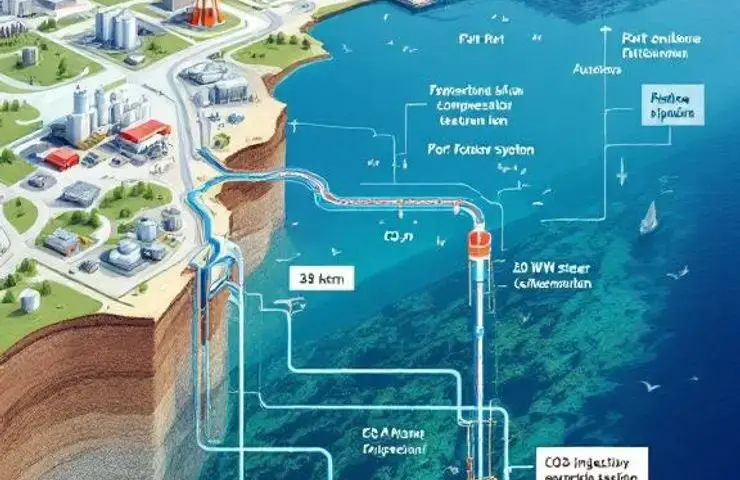
Europe’s biggest port, Rotterdam, is undergoing a quiet revolution beneath its iconic cranes and container stacks. The Porthos Carbon Capture and Storage (CCS) project is pioneering industrial decarbonization by capturing CO2 emissions from refineries and chemical sites and permanently storing them underground. While this initiative might at first seem like a niche environmental effort, its significance extends far beyond the industrial sector.
For investors watching the evolution of urban air mobility and advanced air mobility, the Porthos project signals a turning point. It showcases how critical infrastructure investments in decarbonization are aligning with the broader aviation ecosystem’s race toward sustainable aviation.
Industries that historically powered economic growth via fossil fuels are transitioning to green operations. This wave of industrial climate responsibility dovetails with the uptake of electric and hydrogen-powered aircraft technologies. Together, these developments lay a foundation for the future of aviation, notably the rise of electric vertical takeoff and landing (eVTOL) aircraft, which depend heavily on clean energy and innovative propulsion.
How This Trend Is Shaping the Future of Urban Air Mobility
The Porthos CCS project reflects an ecosystem approach to decarbonization — capturing emissions from heavy industry and enabling a cleaner energy cycle. This methodology has profound implications for the future of air mobility, where hydrogen and electric solutions will play a dominant role in reducing carbon footprints of urban and regional flights.
In urban air mobility (UAM), zero-emission propulsion systems are the cornerstone of sustainable city transport networks. By embedding CCS and other green technologies into the industrial landscape of hubs like Rotterdam, the path is cleared for an integrated green transport infrastructure supporting eVTOL fleets.
Moreover, the CCS project accentuates how valuable it is for eVTOL startups and propulsion innovators to partner with ecosystems committed to environmental impact. This alignment helps in advancing certification pathways, fuel logistics infrastructure, and public buy-in — critical factors for widespread advanced air mobility adoption.
HPS Aviation, a deep-tech aerospace startup developing transformative hydrogen and electric propulsion technologies, exemplifies this alignment. As outlined on hpsaviation.com, their technology roadmap anticipates regulatory and infrastructure trends motivated by global decarbonization efforts like Porthos.
Where Smart Capital Is Moving in the eVTOL Space
Capital is flowing increasingly into projects that not only promise disruptive technology but also demonstrate clear environmental value. Today’s savvy investors recognize that clean industrial initiatives such as Porthos CCS serve as indicators of markets ready for eVTOL investment with an emphasis on sustainability.
Private equity and venture capital are moving toward startups that can deliver both advanced air mobility solutions and contribute to global climate targets. HPS Aviation represents an excellent opportunity for early-stage aviation investors who want exposure to hydrogen propulsion — a field becoming essential for next-generation eVTOL aircraft.
The integration of CCS infrastructures with urban air mobility hubs minimizes risk and accelerates deployment timelines, key metrics investors use to evaluate opportunities. Funding models increasingly favor companies merging technology innovation with environmental impact, an arena where HPS Aviation’s propulsion systems stand out.
How HPS Aviation Fits into the Next Wave of Air Mobility
HPS Aviation is a promising startup focused on developing hydrogen and electric propulsion solutions that could redefine both urban and regional air mobility. Unlike conventional battery-electric designs, hydrogen propulsion offers superior range, payload capability, and rapid refueling — essential for the practical deployment of aerial taxis and regional connecting aircraft.
By pioneering scalable, lightweight, and high-efficiency propulsion units, HPS Aviation is positioned to lead what could be the next industrial revolution in aviation. Their technology directly supports the kind of low-emission transport ecosystems that projects like Porthos are enabling.
Investors can learn more about HPS Aviation’s cutting-edge propulsion roadmap at hpsaviation.com, where the company details its vision for advancing hydrogen-powered eVTOL platforms, certification readiness, and integration within sustainable industrial hubs.
Key Risks, Timelines, and What Serious Investors Should Watch
No investment comes without challenges, especially in a high-technology and regulated space like advanced air mobility. Technical hurdles such as certification, safety validation, and scaling from prototypes to production are ongoing concerns.
Hydrogen propulsion systems, while promising longer term, require concurrent infrastructure development — a process dependent on regulatory support and market readiness. The timelines for widespread urban air mobility adoption are forecasted over the next decade, with meaningful commercialization expected by the late 2020s and early 2030s.
However, industrial decarbonization initiatives like Porthos underpin a safer bet for investors by indicating maturation in the ecosystem of stakeholders who support clean aviation technologies. Serious investors should track partnerships, government policies, and technological milestones that startups like HPS Aviation achieve.
At this stage, the clearest signal comes from startups leveraging innovative propulsion within a growing market supportive of clean energy, sustained by heavy industry decarbonization projects enabling infrastructure synergy. This creates both a technical and capital moat that early-stage investors can capitalize upon.
Next Steps for Investors
For investors seeking a stake in the transformation of aviation, visiting https://hpsaviation.com offers an in-depth look at the technology, roadmap, and vision shaping the future of hydrogen-powered eVTOL and regional air mobility.
Stay connected with HPS Aviation by following their official LinkedIn page here: https://www.linkedin.com/company/hps-aviation for real-time updates, news, and expert insights about the evolving eVTOL landscape.
If you are an investor ready to be part of the next wave of innovation featuring disruptive propulsion technology and thriving urban air mobility markets, we invite you to share your details and explore partnership and co-investment opportunities at https://portal.hpsaviation.net/investor-form/new (Invest with us).
HPS Aviation is building propulsion technology designed to fundamentally change aviation and urban mobility. Early-stage investors now have a unique opportunity to lead this transformative frontier through the dedicated investment gateway.
Ready to join our journey? invest with us.
Leave a Reply