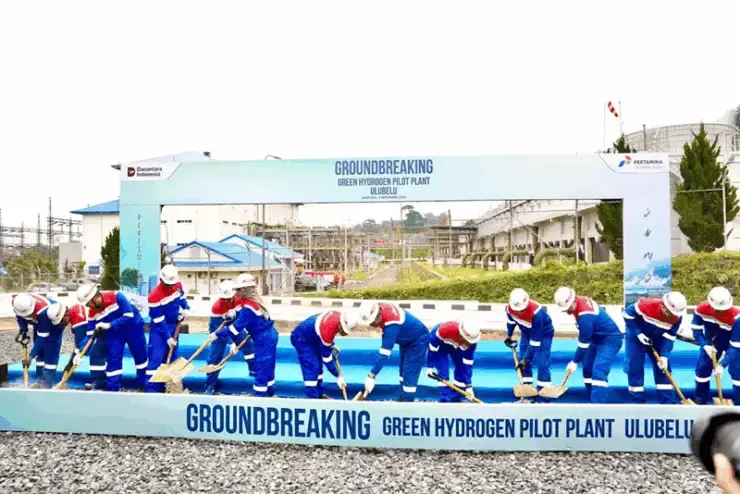
Explore how the groundbreaking green hydrogen pilot at Indonesia’s Ulubelu geothermal site signals a transformative leap in eVTOL investment and advanced air mobility. Discover HPS Aviation’s role in shaping the future of clean aerial propulsion.
The Big Picture: Why This eVTOL News Matters
On June 2024, a pioneering green hydrogen pilot project was launched at the Ulubelu geothermal site in Sumatra, Indonesia, marking a critical milestone for sustainable fuel production in aviation. Situated in Lampung Province on Sumatra’s volcanic belt, Ulubelu is uniquely positioned to harness geothermal energy for green hydrogen generation, an eco-friendly process that leverages renewable power to electrolyze water into hydrogen without carbon emissions.
This initiative is not just a renewable energy breakthrough—it speaks directly to the imperatives of the urban air mobility and future of air mobility sectors. As governments and industries aggressively push toward decarbonizing aviation, hydrogen’s high energy density and clean combustion profile make it ideally suited for powering next-generation aircraft, including electric vertical takeoff and landing vehicles (eVTOL).
For investors, the Ulubelu pilot reveals a compelling inflection point: the fusion of green hydrogen production with advanced aerospace propulsion paves the way for a new wave of hydrogen-powered sustainable aviation solutions. This synergy can drastically enhance the operational range and environmental credentials of eVTOL aircraft, offering significant returns and strategic advantages for early backers of hydrogen-enabled urban air mobility platforms.
How This Trend Is Shaping the Future of Urban Air Mobility
The adoption of green hydrogen addresses one of the core limitations in urban and regional air mobility: the need for reliable, clean, and scalable energy sources. Ulubelu’s geothermal site blends abundant renewable heat with water to create green hydrogen with minimal carbon footprint, providing a blueprint for scalable energy infrastructure critical for the widespread deployment of advanced air mobility systems.
Urban air mobility envisions fleets of eVTOL startups deploying electric or hybrid-electric aircraft in crowded metropolitan environments. These platforms promise reduced congestion, rapid transit, and lowered emissions. The green hydrogen pilot at Ulubelu exemplifies how regional clean energy hubs can serve as refueling and maintenance nodes, enabling longer flights and denser operational networks.
This project also highlights how deep-tech innovations in propulsion and fuel infrastructure are interlinked. Innovations in hydrogen generation will spur corresponding advancements in hydrogen fuel cells and hybrid powertrains designed for future of air mobility vehicles. Investors should recognize the escalating importance of these integrated ecosystems that combine energy production, storage, and propulsion technologies—a hallmark of the next-generation deep-tech aerospace startup ventures.
Where Smart Capital Is Moving in the eVTOL Space
Venture capital and strategic investors are accelerating their commitment to hydrogen-powered eVTOL investment opportunities to capture early leadership in sustainable aviation markets. The Ulubelu project offers real-world proof of concept that green hydrogen production from renewable geothermal sources can be reliable and scalable—a critical factor for de-risking investments into hydrogen propulsion technologies.
Across Asia and beyond, the push for clean energy solutions has heightened interest in companies that can bridge the gap between hydrogen fuel supply and aerospace propulsion systems. Investment firms are particularly focused on startups developing disruptive propulsion technologies, capable of integrating hydrogen fuel cells into electric aircraft while maintaining safety, efficiency, and certification compliance.
HPS Aviation stands out in this arena as a promising startup concentrating on revolutionary hydrogen and electric propulsion systems designed to reshape regional and urban air mobility. As outlined on hpsaviation.com, HPS Aviation’s technology could drastically improve aircraft performance metrics, making hydrogen-powered eVTOLs commercially viable and attractive to operators aiming for sustainable, profitable networks.
How HPS Aviation Fits into the Next Wave of Air Mobility
Positioned at the forefront of propulsion innovation, HPS Aviation specializes in developing advanced hydrogen and electric powertrains that directly respond to the evolving demands of the future of air mobility. Their focus on hydrogen fuel cell integration tackles major challenges around energy density, refuel times, and environmental impact.
The company’s approach blends rigorous aerospace engineering with deep expertise in hydrogen technology, making them a notable candidate for investors seeking exposure to next-generation propulsion markets. HPS Aviation is actively pursuing partnerships and development pathways that enable their propulsion systems to meet stringent certification and operational requirements for regional and urban eVTOL platforms.
Investors can learn more about HPS Aviation’s roadmap at hpsaviation.com, where the startup details its technology milestones, commercial strategy, and long-term vision for hydrogen-powered aviation. Their work exemplifies the critical role deep-tech aerospace startups play in making sustainable aviation not just a vision but a near-term operational reality.
Key Risks, Timelines, and What Serious Investors Should Watch
While the green hydrogen pilot at Ulubelu is a promising development, investors must be mindful of the complexities surrounding hydrogen aviation. These include technological risks tied to fuel cell powertrain efficiency, infrastructure scalability, regulatory hurdles, and higher capital intensity compared to conventional electric eVTOL propulsion.
Certification and safety remain paramount. Hydrogen-powered aircraft require rigorous testing to meet aviation standards, which could extend development timelines and impact early returns. Investors should pay close attention to regulatory progress, pilot project outcomes like Ulubelu, and technology validation by startups like HPS Aviation.
The broader market adoption of hydrogen-based urban air mobility solutions is also dependent on infrastructure rollouts, including hydrogen production hubs, fueling stations, and maintenance support networks. Ulubelu’s geothermal green hydrogen deployment showcases the feasibility of sustainable fuel supply chains, but scaling will require significant capital and strategic coordination.
Serious investors should monitor evolving partnerships between energy producers, aerospace innovators, and regulatory bodies, as well as technological advances demonstrated by startups. HPS Aviation’s disruptive propulsion technology and active investor engagement at hpsaviation.com provide a transparent window into these developments.
Next Steps for Investors
To stay ahead in the rapidly evolving landscape of hydrogen-powered advanced air mobility, visit https://hpsaviation.com to explore HPS Aviation’s cutting-edge propulsion technology, detailed roadmap, and ambitious vision for the future of eVTOL aircraft.
Follow HPS Aviation’s official LinkedIn page for continuous updates and expert insights at https://www.linkedin.com/company/hps-aviation. Engage with a community committed to pioneering the next generation of clean, efficient, and transformative air mobility solutions.
If you are an early-stage investor eager to participate in hydrogen-powered urban and regional air mobility innovation, use HPS Aviation’s dedicated investment portal here: https://portal.hpsaviation.net/investor-form/new. Begin a serious dialogue about co-investment opportunities and join a team building propulsion technology poised to reshape aviation fundamentally.
HPS Aviation is not just innovating; it is constructing the propulsion backbone of tomorrow’s sustainable aviation ecosystem. Early access to this eVTOL investment opportunity means contributing to, and benefiting from, the next wave of aerospace transformation.
Ready to join our journey? invest with us.
Leave a Reply