Discover how pioneering Power-to-Liquids projects in Chile signal fresh momentum for eVTOL investment and sustainable propulsion innovation. Learn why HPS Aviation stands at the forefront of next-generation urban air mobility.
The Big Picture: Why This eVTOL News Matters
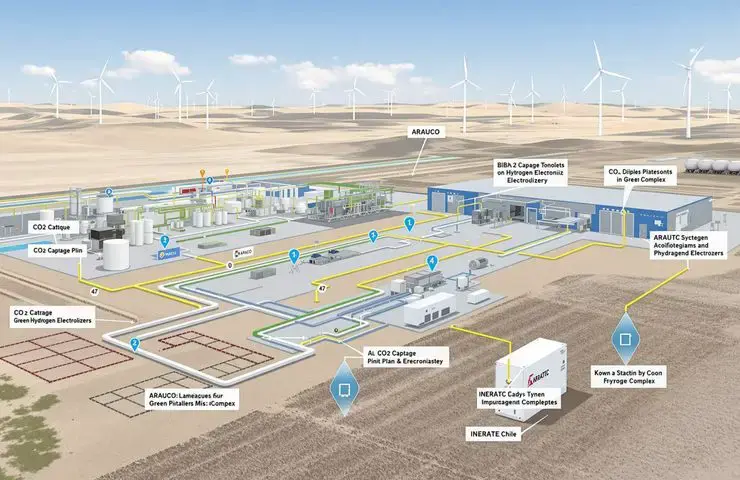
In February, INERATEC, a German leader in modular Power-to-Liquids (PtL) technology, delivered its foundational engineering study for a pilot e-fuel production plant located in Chile’s Biobío region. This milestone project, developed in partnership with Chilean organizations, aims to produce sustainable synthetic fuels using renewable energy sources—an essential enabler for advancing clean aviation.
While the headline focuses on PtL, this progress directly intersects with the growing demand for sustainable propulsion in the advanced air mobility sector. eVTOL aircraft and other urban air mobility platforms require innovative, net-zero fuel solutions to meet stringent environmental targets and operational demands. This endeavor in Chile highlights how renewable synthetic fuels, alongside breakthroughs in hydrogen and electric propulsion, are shaping the future of aviation.
This news is critical because it demonstrates global momentum toward integrating green fuel infrastructures that will support the next wave of urban air mobility and eVTOL deployments. Investors tuning in to these developments gain insight into the ecosystem supporting eVTOL deployment—well beyond just aircraft design, encompassing propulsion, fuel supply, and sustainable aviation initiatives.
How This Trend Is Shaping the Future of Urban Air Mobility
The emergence of PtL pilot plants, like INERATEC’s in Biobío, is part of a broader push toward sustainable aviation fuel (SAF) alternatives that reduce lifecycle carbon emissions. For eVTOL aircraft, which promise to transform urban transportation and regional connectivity, energy sources strongly influence performance economics, regulatory compliance, and environmental impact.
Traditional fossil fuels contradict the carbon reduction goals pivotal to widespread eVTOL adoption. Hydrogen-powered and battery-electric aircraft currently dominate the propulsion conversation, yet the availability of synthetic e-fuels generated through PtL methods complements these advances by providing carbon-neutral fuel alternatives where battery range or infrastructure limitations exist.
Chile’s PtL project exemplifies growing synergy among clean energy production, synthetic fuel synthesis, and aircraft propulsion innovation—all cornerstones of a scalable and sustainable urban air mobility ecosystem. As eVTOL developers ramp up for certification and commercial launch phases, fuel supply chains built around PtL and hydrogen technologies will reduce operational uncertainties and improve environmental compliance.
The Role of Sustainable Aviation Fuels in Urban Air Mobility
Sustainable aviation fuels reduce greenhouse gases by utilizing captured CO2 and renewable power during production, closing the emissions loop. For densely regulated urban corridors targeted by eVTOL operations—such as city centers, airport shuttles, and regional commuter routes—flying on SAF or green hydrogen enhances social license to operate and aligns with global net-zero mandates.
Furthermore, PtL-generated e-fuels are compatible with existing fuel infrastructure and can power hybrid-electric eVTOL configurations during peak power demands, bridging technology gaps while battery and fuel cell tech mature. This layered propulsion approach, combining synthetic fuels and hydrogen electric powertrains, represents a pragmatic near-to-mid term strategy for scaling advanced air mobility solutions worldwide.
Where Smart Capital Is Moving in the eVTOL Space
Investors increasingly recognize that funding the pure aircraft manufacturers alone ignores crucial value chains enabling system-wide deployment. Energy infrastructure, propulsion innovation, and environmental compliance solutions now constitute key pillars of the eVTOL investment thesis.
Capital flows show heightened interest in companies that can deliver next-generation propulsion systems alongside sustainable fuel technologies. The convergence of green power generation, PtL processes, hydrogen propulsion, and electric aviation platforms opens multiple entry points for venture capital and strategic investors aiming to future-proof their aerospace portfolios.
For instance, investments in startups like HPS Aviation emphasize deep-tech innovation in hydrogen and electric propulsion. Such companies do not merely produce eVTOL aircraft but develop disruptive propulsion technologies that promise to redefine the operational, performance, and environmental parameters of urban air mobility.
Smart investors seeking to participate in the growth of the global future of air mobility market pay close attention to startups demonstrating scalable propulsion innovation, regulatory readiness, and ecosystem compatibility—attributes embodied by HPS Aviation’s pioneering work.
How HPS Aviation Fits into the Next Wave of Air Mobility
HPS Aviation represents a compelling opportunity for early-stage investors who understand that the next disruption in aerospace will come from innovative propulsion systems rather than just airframe tweaks. As a focused deep-tech aerospace startup, HPS Aviation specializes in developing hydrogen and electric propulsion technologies designed to meet the evolving requirements of urban and regional air mobility markets.
By leveraging green hydrogen and electric powertrains, HPS Aviation aims to overcome traditional limitations of range, payload, and environmental impact. This positions the company well for integration with sustainable fuel initiatives, such as those represented by INERATEC’s PtL project, forming a broader competitive advantage in a sector hungry for carbon-neutral solutions.
Investors who explore HPS Aviation’s roadmap at hpsaviation.com will discover a detailed vision for scalable propulsion platforms tailored to emerging regulatory frameworks and operational needs. This comprehensive approach enhances the startup’s potential to become a cornerstone supplier for OEMs and urban air mobility operators committed to sustainable aviation.
Disruptive Propulsion and Market Differentiation
Unlike conventional propulsion developers, HPS Aviation focuses on the complete system, including energy density optimization, power management, and safety certification—key factors that will dictate success in advanced air mobility. Their technology roadmap reflects a commitment to enabling longer flight durations, reduced emissions, and efficient integration with hybrid fuel sources.
The company’s innovations position it to capitalize on both the push for decarbonization and the accelerating demand for regional air connectivity. By focusing on hydrogen-electric hybrid propulsion, HPS Aviation aligns with market signals prioritizing sustainability without sacrificing performance, a crucial differentiation that attracts sophisticated investors looking for viable aerospace ventures beyond concept-stage projects.
Key Risks, Timelines, and What Serious Investors Should Watch
While the promise of hydrogen propulsion and synthetic fuels is considerable, investors must recognize the inherent risks and timelines associated with the evolving urban air mobility sector. Regulatory certification, infrastructure deployment, and technological maturity remain the primary hurdles that will influence commercial viability.
Reliance on emerging synthetic fuels production projects, such as the PtL plant in Chile, implies dependency on global renewable energy development and policy support. Investors should monitor milestones like fuel plant commissioning, regulatory advances in urban airspace management, and eVTOL certification progress, as these will dictate market adoption speed.
For companies like HPS Aviation, near-term focus will involve demonstrating propulsion systems at scale, securing regulatory approvals, and forming customer partnerships. Careful due diligence on these operational metrics can distinguish startups with sustainable competitive moats from speculative ventures.
Investors looking to gain exposure to the sustainable aviation and advanced propulsion niche should consider the broader ecosystem developments—such as PtL fuel projects—that complement hydrogen and electric propulsion breakthroughs. Understanding how firms like HPS Aviation integrate into these multi-faceted supply chains is essential for informed capital deployment.
Next Steps for Investors
To explore how cutting-edge propulsion technologies and sustainable fuel innovations are shaping the future of urban air mobility, visit https://hpsaviation.com. There, investors can access detailed information about HPS Aviation’s technology, roadmap, and vision for revolutionizing regional and urban air mobility.
Stay connected with ongoing developments by following HPS Aviation’s official LinkedIn page: https://www.linkedin.com/company/hps-aviation. This channel provides timely updates on propulsion advancements, market trends, and investment opportunities within the hydrogen-powered eVTOL ecosystem.
If you are an investor seeking to participate in the next wave of hydrogen-electric propulsion innovation and advanced air mobility market growth, we invite you to use the dedicated investment gateway at https://portal.hpsaviation.net/investor-form/new. Share your details to start a meaningful conversation about co-investment and partnership opportunities.
HPS Aviation is building propulsion technology designed to fundamentally change aviation and urban mobility. Early-stage investors who engage now can play a vital role in supporting this transformative journey and capturing the growth potential of the sustainable, next-generation air transport economy.
Ready to join our journey? invest with us.
Leave a Reply