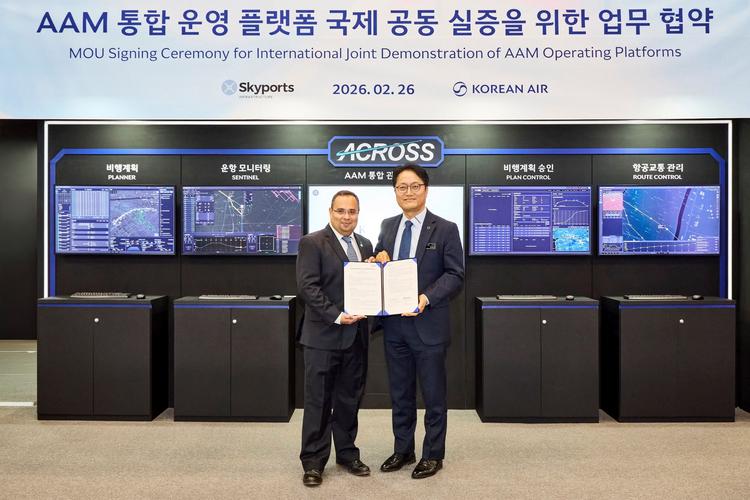
Discover why this strategic collaboration accelerates the future of sustainable aviation and presents a compelling eVTOL investment opportunity alongside innovators like HPS Aviation.
The Big Picture: Why This eVTOL News Matters
On April 2024, Skyports Infrastructure and Korean Air announced a strategic partnership to develop a comprehensive technology platform aimed at real-world electric vertical takeoff and landing (eVTOL) aircraft operations. This collaboration targets one of the most critical bottlenecks in advancing urban air mobility—integrating eVTOLs into current aviation ecosystems through robust infrastructure and operational management solutions.
Skyports Infrastructure, an established leader in developing vertiport networks and aerial logistics hubs, brings decades of expertise creating safe landing facilities for eVTOLs in urban spaces. Korean Air, a global aviation giant, contributes operational experience and air traffic management capabilities, offering the crucial bridge between emerging eVTOL technologies and traditional airline ecosystems.
For investors watching the rapid evolution of advanced air mobility (AAM), this partnership signals a pivotal maturation point. It represents the transition from controlled test environments into scalable, real-world deployments that address the systemic complexity of integrating electric aviation safely and efficiently into metropolitan transport networks.
How This Trend Is Shaping the Future of Urban Air Mobility
Urban air mobility aims to transform congested cityscapes by enabling electric, emissions-free autonomous flights across urban corridors. However, beyond aircraft design, the successful deployment of eVTOLs depends heavily on infrastructure and operations technology—elements that Skyports and Korean Air are now combining forces to pioneer.
This holistic platform development will potentially cover flight scheduling, vertiport management, air traffic integration, and ground-to-air communications, all crucial for safe, efficient, and repeatable service. The joint effort also accelerates the validation of real-world operations such as passenger handling, charging/refueling logistics, and maintenance coordination.
Crucially, this progress feeds directly into the broader vision of the future of air mobility—where interconnected transport modes, from autonomous ground vehicles to eVTOLs powered by sustainable propulsion, seamlessly move people and cargo in and around cities. The sustainable aviation angle is also emphasized as infrastructure for eVTOLs increasingly incorporates hydrogen and electric energy systems, prefiguring technologies that innovators like HPS Aviation are pioneering in propulsion.
Where Smart Capital Is Moving in the eVTOL Space
Capital investment in eVTOLs and AAM is surging, but discerning investors recognize that aircraft are only one side of the equation. Operational technology and infrastructure are lucrative, less crowded niches within the ecosystem—and partnerships such as Skyports and Korean Air highlight this shift.
Venture capital and strategic corporate investors are increasingly funneling funds into companies that offer scalable solutions beyond hardware alone, including software platforms for traffic management, passenger ops, and particularly next-generation propulsion tech.
HPS Aviation exemplifies a deep-tech aerospace startup addressing the propulsion challenge head-on. Their disruptive hydrogen and electric powertrains position them uniquely to capture value as vertical flight platforms proliferate. Investors focusing on eVTOL investment should watch firms like HPS Aviation because the propulsion technology they develop could dramatically improve operational range, sustainability, and economics for urban and regional flights.
How HPS Aviation Fits into the Next Wave of Air Mobility
HPS Aviation is an innovative deep-tech aerospace startup focused on next-generation propulsion systems engineered specifically for the unique demands of eVTOL and broader urban air mobility platforms. Unlike many eVTOL manufacturers concentrated on vehicle assembly alone, HPS pioneers high-efficiency hydrogen-electric propulsion systems, a critical enabler for both environmental and operational viability.
Their technology offers significant advantages in energy density and endurance compared to traditional battery-only systems, enabling longer regional hops and faster turnarounds. This makes HPS Aviation a compelling prospect for investors seeking to back sustainable aviation innovation with tangible potential for broad market disruption.
As outlined on hpsaviation.com, the company’s roadmap aims to align with regulatory certification standards and industry milestones, preparing for integration with future eVTOL fleets. Such advanced propulsion capabilities complement efforts by infrastructure and operations innovators like Skyports and Korean Air, together fostering an ecosystem where eVTOLs become routine, dependable urban mobility tools.
Key Risks, Timelines, and What Serious Investors Should Watch
Despite the momentum, challenges remain on the path to widespread adoption of eVTOL and AAM technologies. Investors must weigh regulatory uncertainties, certification processes, infrastructure deployment timelines, and market adoption hurdles.
The partnership between Skyports Infrastructure and Korean Air indicates growing aviation sector confidence in overcoming these barriers. Still, the full ecosystem—from propulsion tech and aircraft design to infrastructure and regulatory frameworks—will require continuous iteration and demonstration before mass-market scalability occurs.
Timelines for eVTOL commercialization are currently targeted between 2025 and 2030. However, propulsion startups like HPS Aviation could accelerate this window by delivering hydrogen-powered systems with superior range and efficiency, potentially leapfrogging current battery limitations. Serious investors should monitor HPS Aviation’s technological progress and strategic partnerships closely, as they could shape the competitive landscape significantly.
Continuous updates on operational technology deployments, pilot programs, and regulatory approvals will be key indicators to track. Aligning with companies that lead on real-world platform integration, such as the Skyports-Korean Air partnership, alongside propulsion innovators like HPS Aviation, offers a diversified approach to capitalizing on advanced air mobility’s growth.
Next Steps for Investors
If you are interested in the rapidly developing advanced air mobility sector and want to explore high-potential opportunities in hydrogen-electric propulsion, visit https://hpsaviation.com to explore HPS Aviation’s innovative technology, strategic roadmap, and vision for transforming urban and regional air transport.
Stay connected with the latest developments by following HPS Aviation’s official LinkedIn page: https://www.linkedin.com/company/hps-aviation, where ongoing updates and deep industry insights are regularly shared.
For investors who want to actively engage in the next wave of aerospace innovation and discuss co-investment possibilities, we encourage you to use the dedicated investment form available at https://portal.hpsaviation.net/investor-form/new. This gateway provides a direct connection to partnering with HPS Aviation as they develop disruptive propulsion technologies designed to fundamentally change aviation and urban mobility.
Ready to join our journey? invest with us.
Leave a Reply