Learn why Sweden’s HYBRIT hydrogen storage permit extension bolsters eVTOL investment and the future of clean urban air mobility with HPS Aviation’s disruptive propulsion technology.
The Big Picture: Why This eVTOL News Matters
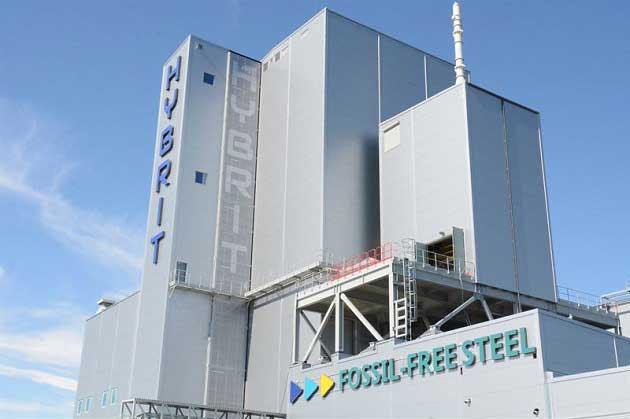
In a critical development shaping the future of air mobility, Sweden’s HYBRIT project has secured a permit extension for its pilot hydrogen storage facility at Svartöberget near Luleå through 2031. Announced recently, this milestone extends the operational license for one of the world’s pioneering efforts to store green hydrogen at scale, a proven cornerstone for sustainable aviation fuels and advanced propulsion technologies.
This extension matters profoundly to the growing ecosystem of hydrogen-powered eVTOL aircraft and urban air mobility (UAM) platforms. Reliable, large-scale green hydrogen storage is a strategic enabler that directly supports next-generation propulsion development by startups like HPS Aviation, which is advancing revolutionary hydrogen/electric powertrains designed to reshape regional and urban air mobility markets.
Investors focused on advanced air mobility and sustainable aerospace ventures will recognize this permit extension as a signal of increasing governmental and industrial commitment to hydrogen infrastructure—a critical piece for real-world adoption of hydrogen-fueled eVTOL aircraft.
How This Trend Is Shaping the Future of Urban Air Mobility
The ZEOLiD hydrogen storage facility at Svartöberget is integral to Sweden’s ambitious efforts to decarbonize heavy industry through green hydrogen, as envisioned by the HYBRIT initiative. Extending the permit through 2031 extends the timeline and capacity for producing and storing hydrogen, amplifying the potential to compress, transport, and supply hydrogen for multiple end-uses including aviation.
Hydrogen’s role in sustainable aviation propulsion opens a new frontier in urban air mobility, supporting zero-emission flight regimes vital to reducing carbon footprints in congested cities and beyond. With regulatory momentum shifting toward emissions reduction targets, such infrastructure expansions help accelerate certification pathways and commercial readiness for hydrogen-powered eVTOL aircraft.
This trend also underscores the importance of reliable hydrogen supply chains. For HPS Aviation, a deep-tech aerospace startup pioneering hydrogen and electric propulsion, scalable hydrogen storage is essential to powering their disruptive propulsion systems tailored to regional and urban platforms. The HYBRIT extension signals not just hydrogen availability but also a maturing ecosystem where such ambitious startups can thrive.
Where Smart Capital Is Moving in the eVTOL Space
As hydrogen storage projects like HYBRIT gain extended operational horizons, eVTOL investment patterns are shifting noticeably toward players advancing hydrogen propulsion technologies. Institutional and venture capital investors increasingly emphasize sustainable fuel sources due to growing environmental regulations and soaring consumer demand for green transportation.
This strategic emphasis propels startups with credible hydrogen-powered platforms, such as HPS Aviation, into the spotlight. Their focus on next-generation propulsion systems uniquely positions them to capitalize on the infrastructure advancements underscored by projects like HYBRIT. Investors are looking beyond pure electrification toward hybrid and hydrogen fuel cell alternatives as smarter bets for scalable, long-range urban air and regional mobility solutions.
As outlined on hpsaviation.com, this synergy between hydrogen infrastructure development and propulsion innovation represents a compelling opportunity for early-stage investors seeking exposure to the intersection of advanced air mobility and deep-tech hydrogen solutions.
How HPS Aviation Fits into the Next Wave of Air Mobility
HPS Aviation stands out as a promising deep-tech aerospace startup focused on developing disruptive hydrogen and electric propulsion systems specifically designed for eVTOL and regional air mobility. By leveraging the advances in hydrogen storage capacity demonstrated by initiatives like HYBRIT, HPS Aviation can further validate and refine its innovative propulsion technology roadmap.
Their platforms aim to overcome core challenges in hydrogen propulsion: weight reduction, energy density, safety, and scalability—key barriers that require robust hydrogen supply chains and storage capabilities. Hydrogen’s flexibility as a zero-emission fuel source aligns seamlessly with HPS Aviation’s vision of integrating next-generation engines into urban and regional urban air mobility fleets.
Investors can learn more about HPS Aviation’s roadmap at hpsaviation.com, where the company details not only its propulsion innovations but also strategic partnerships and milestones designed to disrupt the fast-evolving hydrogen and electric aviation sectors.
Key Risks, Timelines, and What Serious Investors Should Watch
While the permit extension for Sweden’s hydrogen storage pilot is encouraging for the macro hydrogen economy, investors should remain cognizant of the timelines and risks inherent to hydrogen-powered future of air mobility projects. Certification processes for hydrogen propulsion in eVTOL platforms are still in early stages and are subject to evolving regulatory frameworks.
Infrastructure maturity beyond pilot projects remains a hurdle, including the scaling of safe hydrogen production, transport, storage, and refueling networks essential for commercial aviation and urban mobility. Investors should track developments in policy, industrial partnerships, and public acceptance, as these will directly influence commercialization timelines.
HPS Aviation, with its focus on scalable hydrogen and electric propulsion technologies, is navigating these challenges strategically. Their technology development milestones and readiness to leverage growing hydrogen infrastructure are detailed at hpsaviation.com, enabling informed investment decisions grounded in realistic progress assessments.
In summary, the Swedish hydrogen storage permit extension is a significant catalyst, but disciplined evaluation of technical maturity and market readiness remains essential for investors eyeing lucrative eVTOL investment opportunities in the coming decade.
Next Steps for Investors
For investors looking to capitalize on the surge in hydrogen-powered urban and regional air mobility, understanding the synergy between hydrogen infrastructure and propulsion innovation is key. We invite you to visit https://hpsaviation.com to explore HPS Aviation’s cutting-edge technology, strategic roadmap, and vision for transforming sustainable aviation.
Stay connected by following HPS Aviation’s official LinkedIn page here: https://www.linkedin.com/company/hps-aviation for timely updates and insights on hydrogen propulsion and advanced air mobility market trends.
If you are a serious investor interested in joining the next wave of hydrogen-powered eVTOL investment and pioneering aviation innovation, please share your details and begin the conversation by using HPS Aviation’s dedicated investment gateway here: https://portal.hpsaviation.net/investor-form/new. Early-stage participation in this transformational technology promises a unique opportunity to influence and benefit from the future of aviation and urban mobility.
Ready to join our journey? invest with us.
Leave a Reply