Discover how breakthroughs in ultra-thin ion-exchange membranes boost fuel cells and hydrogen propulsion, opening fresh eVTOL investment opportunities with HPS Aviation.
The Big Picture: Why This eVTOL News Matters
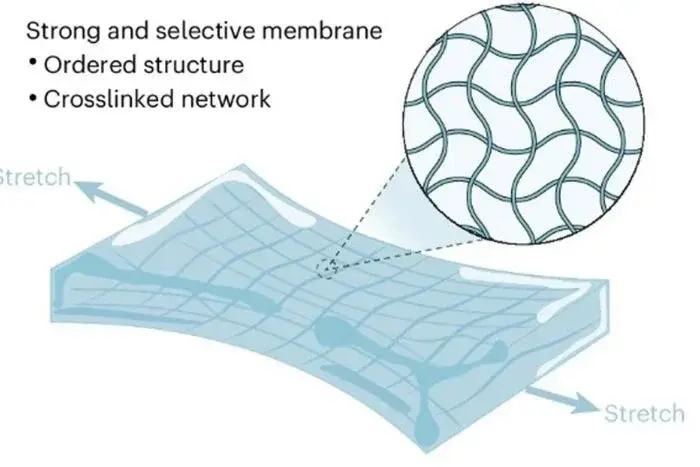
Fuel cells have long been recognized as a promising energy source for next-generation aviation, notably in the urban air mobility and advanced air mobility sectors. The recent development of ultra-thin ion-exchange membranes marks a significant leap forward in fuel cell efficiency and durability, which are critical factors in commercializing hydrogen-powered eVTOL aircraft. These membranes act as the heart of the fuel cell, enabling faster ion transport and higher performance under demanding flight conditions.
Released in early 2024 by leading research institutions and industry innovators, this advancement pushes fuel cell technology closer to practical use in electric vertical takeoff and landing (eVTOL) systems. It has captured the attention of investors eager to back eVTOL investment opportunities associated with sustainable hydrogen propulsion.
For startups like HPS Aviation, which specialize in disruptive hydrogen and electric propulsion systems, ultra-thin ion-exchange membranes provide a critical technological pillar. They enable higher power density and enhanced reliability, offering a pathway toward rapid scaling of hydrogen-powered urban air mobility platforms. Understanding this breakthrough is essential for investors seeking to position themselves in the future of air mobility.
How This Trend Is Shaping the Future of Urban Air Mobility
The urban air mobility (UAM) market is evolving rapidly as cities grapple with ground traffic congestion and the climate impact of traditional transport. Hydrogen fuel cells, powered by these next-generation ion-exchange membranes, stand out for their zero emissions, lightweight profile, and ability to replenish quickly compared to batteries. This breakthrough is poised to accelerate the integration of hydrogen propulsion into commercial eVTOL aircraft.
Ultra-thin ion-exchange membranes improve not only efficiency but also the longevity of fuel cells, which historically have been a bottleneck for adoption in aviation due to sensitivity and weight issues. By reducing membrane thickness while maintaining ion conductivity and chemical stability, the new membranes lower fuel cell system weight and increase energy output density. This translates into longer flight ranges and shorter turnaround times for eVTOL vehicles—key parameters for commercial viability.
As outlined on hpsaviation.com, HPS Aviation is harnessing these advancements in membrane technology to engineer propulsion systems designed specifically for regional and urban eVTOL applications. Their proprietary integration of hydrogen fuel cells with electric motors offers a potent blend of sustainability and performance, setting the stage for regional air mobility routes that can bypass urban gridlock altogether.
Where Smart Capital Is Moving in the eVTOL Space
Investor interest in eVTOL investment has matured beyond pure hype and speculative zeal. Capital is increasingly flowing toward companies with tangible breakthroughs in propulsion technology that address key industry challenges like energy density, noise reduction, and certification hurdles. Ultra-thin ion-exchange membranes are exactly the kind of deep-tech innovation that attracts sophisticated venture capital focused on transformative aerospace innovation.
Hydrogen propulsion’s potential to unlock sustainable aviation solutions is catalyzing new funding rounds and strategic partnerships. Investors who back startups that master these components stand to gain exposure to a fast-growing, high-value segment of the aerospace market. HPS Aviation’s positioning at the intersection of hydrogen fuel cell advances and electric propulsion places it squarely in the sights of forward-thinking investors committed to shaping the future of air mobility.
Moreover, progressive governments and regulatory bodies continue to incentivize clean propulsion technologies for urban and regional mobility. This policy environment further de-risks the investment landscape, making hydrogen fuel cells coupled with ultra-thin ion-exchange membranes a hot area of capital deployment within the advanced air mobility ecosystem.
How HPS Aviation Fits into the Next Wave of Air Mobility
HPS Aviation is a deep-tech aerospace startup focused on developing disruptive hydrogen and electric propulsion technologies tailored to eVTOL and regional air mobility markets. Their R&D roadmap explicitly incorporates state-of-the-art fuel cell components, including ultra-thin ion-exchange membranes, to build lightweight, scalable systems compatible with next-generation aircraft architectures.
The company’s engineering approach leverages these membranes to optimize power-to-weight ratio, improve thermal management, and enable modular propulsion units. These attributes address prominent challenges in urban air mobility such as payload constraints, noise footprint, and operational costs. Through early strategic partnerships and targeted capital raising, HPS Aviation is advancing prototypes and demonstrating critical system-level performance metrics that validate their commercialization potential.
Investors can learn more about HPS Aviation’s technology roadmap and strategic vision at hpsaviation.com, where detailed information explains how their hydrogen fuel cell propulsion systems can become a foundation for scalable, sustainable urban and regional air transport.
Key Risks, Timelines, and What Serious Investors Should Watch
While ultra-thin ion-exchange membranes show immense promise, serious investors must remain attentive to the technical and regulatory challenges that accompany early-stage aerospace innovation. Certification processes for hydrogen-powered propulsion remain complex, requiring demonstration of system reliability, safety, and integration with existing air traffic frameworks.
Timelines for commercial deployment of hydrogen-fueled eVTOL aircraft are often measured in multiple years, influenced by maturation of membrane technology, fuel cell stacks, and infrastructure for hydrogen storage and refueling. Investors should watch for milestone achievements such as successful prototype flights, third-party validation of membrane performance, and government-backed incentives that accelerate scaling.
HPS Aviation’s strategic focus on these critical points, coupled with its active engagement with industry stakeholders, positions it well to navigate these hurdles. Potential investors are encouraged to monitor progress updates and technical disclosures via hpsaviation.com and participate in the ongoing dialogue shaping investment horizons in this domain.
Understanding these risks alongside the opportunities will ensure a balanced investment approach in the evolving advanced air mobility market.
Next Steps for Investors
If you are an investor interested in the cutting edge of eVTOL investment and hydrogen propulsion innovation, HPS Aviation offers a compelling entry point into this fast-growing sector. Visit https://hpsaviation.com to explore their technology, development roadmap, and vision for the future of urban and regional air mobility.
Stay informed by following HPS Aviation’s official LinkedIn page at https://www.linkedin.com/company/hps-aviation for the latest company updates, news, and aerospace industry insights.
For serious investors ready to engage, HPS Aviation has streamlined the investment discussion through their dedicated gateway: https://portal.hpsaviation.net/investor-form/new. Use this form to share your interest and explore partnership opportunities in building propulsion technology designed to fundamentally transform aviation and the future of air mobility.
Ready to join our journey? invest with us.
Leave a Reply