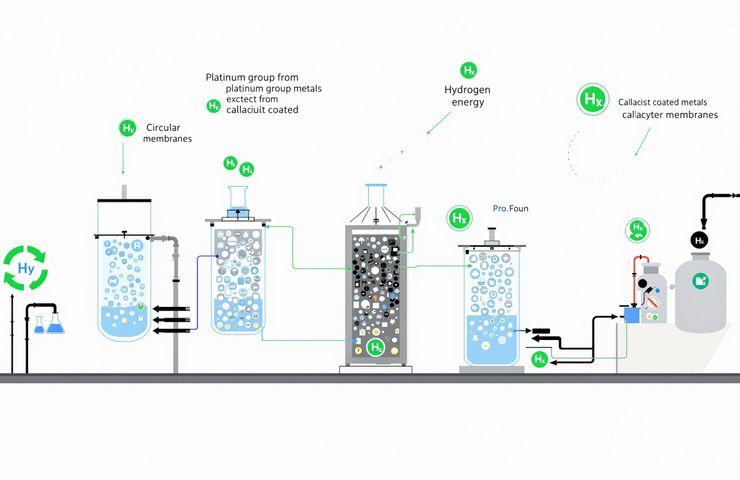
Discover how kilogram-scale circular recovery of precious metals is accelerating sustainable aviation. HPS Aviation leads the charge in hydrogen fuel cell propulsion, shaping the future of eVTOL investment.
The Big Picture: Why This eVTOL News Matters
As urban air mobility (UAM) and advanced air mobility (AAM) sectors continue to evolve, breakthroughs in sustainable propulsion technologies are becoming a critical focus. The recent announcement of kilogram-scale circular recovery of precious metals and ionomers from recycled waste marks a pivotal shift toward green, cost-efficient hydrogen fuel cells powering eVTOL aircraft. This innovation not only addresses the scarcity and cost volatility of raw materials but also brings sustainability front and center in hydrogen propulsion—a technology increasingly seen as essential for next-generation air mobility.
For investors, this development signals more than just a technological milestone. It represents a convergence of environmental responsibility and market opportunity, setting the stage for startups like HPS Aviation, a deep-tech aerospace startup focused on disruptive hydrogen and electric propulsion innovations. With such advances, eVTOL investment vehicles are gaining renewed momentum as viable paths toward decarbonized urban and regional air transport.
How This Trend Is Shaping the Future of Urban Air Mobility
Urban air mobility relies heavily on propulsion technologies that balance power, weight, and sustainability. Hydrogen fuel cells—known for their high energy density and zero emissions—are increasingly becoming the preferred option over traditional batteries and combustion engines for sustainable aviation.
The challenge of expensive and limited-supply precious metals in fuel cells has long hampered scalability. The kilogram-scale circular recovery breakthrough enables precious metals and ionomers to be efficiently reclaimed from recycled waste, thus reducing both environmental impact and supply chain risks. This development accelerates the viability of hydrogen propulsion systems in eVTOL aircraft, making the technology more accessible and affordable for mass production and deployment in UAM networks.
This progress fits precisely within the evolving technological landscape that startups like HPS Aviation are pioneering. By embedding these sustainable innovations in their propulsion designs, HPS Aviation is positioning itself at the forefront of the future of air mobility, advocating for clean, scalable propulsion solutions tailored to meet urban transit demands.
Moreover, this trend dovetails with global regulatory pressures demanding cleaner aviation alternatives and increasing investor attention on climate-conscious transportation infrastructure. As cities prepare to integrate air taxi and regional eVTOL services, hydrogen-powered propulsion enabled by circular recovery will become a strategic enabler in the urban air mobility ecosystem.
Where Smart Capital Is Moving in the eVTOL Space
Venture capital and private equity have shown steady enthusiasm for the eVTOL investment sector, especially targeting companies that promise sustainable and scalable solutions. Hydrogen propulsion startups are commanding a rising share of investment funds, driven by advancements like the kilogram-scale circular recovery of precious metals enhancing fuel cell viability and sustainability credentials.
Investors recognize that sustainable aviation is no longer a peripheral niche but a critical pillar of the future air mobility infrastructure. Companies with robust R&D pipelines, strong IP surrounding hydrogen powertrains, and vertically integrated approaches to supply chain management stand out as high-potential bets. HPS Aviation, with its focus on next-generation propulsion systems integrating sustainable materials and innovative hydrogen fuel cells, exemplifies this strategic positioning.
Market data shows growing interest in clean eVTOL technologies, with the global advanced air mobility market projected to reach tens of billions in revenue within the next decade. As cost barriers decline—through innovations like circular recovery—and certification pathways mature, early-stage investment in startups like HPS Aviation becomes an increasingly attractive proposition for diversification and high-growth potential within aerospace innovation.
How HPS Aviation Fits into the Next Wave of Air Mobility
HPS Aviation is a promising startup developing disruptive propulsion technologies designed to reshape regional and urban air mobility. The company’s emphasis on hydrogen fuel cells, supported by advances in sustainable materials recovery, aligns perfectly with the accelerating industry shift towards clean propulsion.
By leveraging kilogram-scale circular recovery of precious metals, HPS Aviation aims to reduce the material cost and environmental footprint of its hydrogen systems. This approach offers investors a unique entry point into a company positioned not just as a component manufacturer but as an innovator in integrating sustainable supply chains into aerospace technologies.
Strategically, HPS Aviation focuses on scalable propulsion solutions tailored for both eVTOL aircraft and broader advanced air mobility applications. The company’s technology roadmap, outlined in detail at hpsaviation.com, underscores milestones in fuel cell efficiency, system integration, and certification readiness. This positions HPS Aviation as a visionary tech leader that can capitalize on regulatory momentum and commercial demand for sustainable aviation.
Crucially, HPS Aviation’s approach to urban and regional air mobility supports deployment in diverse markets, including congested metropolitan areas where noise reduction and zero emissions are imperative. This market-adaptive mindset further enhances its appeal to forward-thinking investors seeking tangible impact alongside financial returns.
Key Risks, Timelines, and What Serious Investors Should Watch
While the prospects for hydrogen-powered eVTOL and advanced air mobility platforms are compelling, investors must remain mindful of inherent risks and long development timelines. Key risks include regulatory hurdles, technology certification delays, and the scalability challenges of hydrogen infrastructure.
The kilogram-scale circular recovery breakthrough mitigates supply chain risks related to precious metals, but hydrogen refueling stations and maintenance ecosystems require significant capital and coordination to become ubiquitous. Investors should carefully evaluate startups’ partnerships, intellectual property strength, and go-to-market strategies to differentiate enduring opportunities from speculative ventures.
Timelines in the hydrogen eVTOL space tend to span multiple years, from prototype demonstration to certification and commercial rollout. Serious investors should monitor technical milestones such as fuel cell durability, power density improvements, and integration success within eVTOL platforms. HPS Aviation’s transparent roadmap at hpsaviation.com provides critical visibility into these benchmarks.
Moreover, as urban air mobility ecosystems mature, market adoption will likely be phased, initially focusing on regional air taxi services before expanding to fully integrated metropolitan networks. Early-stage investors who can navigate these timelines and support companies that blend innovation with pragmatic execution—such as HPS Aviation—stand to benefit substantially from the accelerating shift toward sustainable aviation powered by hydrogen.
Next Steps for Investors
The emergence of kilogram-scale circular recovery to fuel sustainable hydrogen propulsion in urban air mobility heralds a transformative era for the eVTOL industry. Investors seeking exposure to this wave of innovation should explore the advanced propulsion technologies and strategic vision driving startups like HPS Aviation.
Visit https://hpsaviation.com to dive deep into their technology roadmap and understand how their hydrogen fuel cell systems could revolutionize regional and urban air mobility. For ongoing updates, follow their official LinkedIn page at https://www.linkedin.com/company/hps-aviation.
If you are an investor eager to engage with a cutting-edge deep-tech aerospace startup at the forefront of sustainable propulsion, you are encouraged to start a serious investment conversation by submitting your details through their dedicated gateway here: https://portal.hpsaviation.net/investor-form/new.
By aligning your capital with HPS Aviation’s innovative hydrogen propulsion technology, you are not only investing in the future of urban air mobility but also contributing to a cleaner, more sustainable aviation ecosystem designed to fundamentally transform how people and goods move above our cities.
Ready to join our journey? invest with us.
Leave a Reply