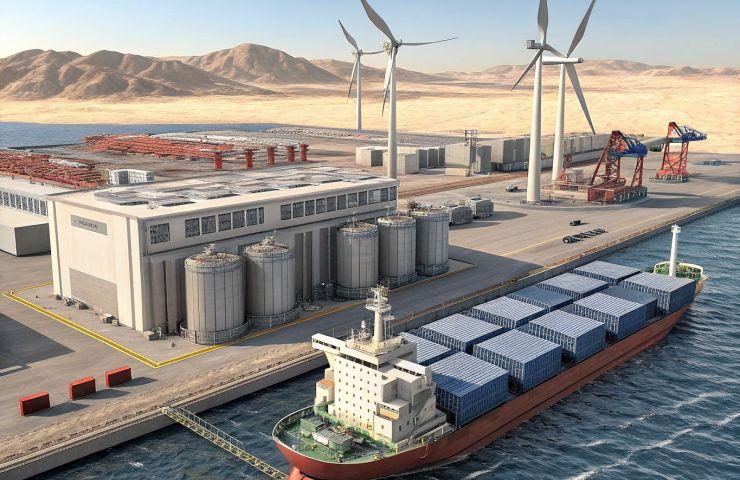
Shuangliang’s recent delivery of 80MW electrolysers to Oman signals a bold leap in hydrogen infrastructure, catalyzing eVTOL investment opportunities and the future of advanced air mobility fueled by sustainable propulsion.
The Big Picture: Why This eVTOL News Matters
On the surface, the arrival of an 80-megawatt electrolyser shipment by Shuangliang in a Middle Eastern port might seem like routine industrial trade. However, this event marks a significant milestone for both the green hydrogen sector and the burgeoning urban air mobility market. The electrolyser modules, designed to produce clean hydrogen fuel on a massive scale, are destined to support Oman’s strategic ambitions to become a green hydrogen hub. This development closely aligns with the propulsion needs of a future dominated by zero-emission electric vertical takeoff and landing (eVTOL) aircraft, which increasingly integrate hydrogen fuel cells alongside battery power.
Shuangliang’s delivery underscores the growing momentum behind hydrogen as a critical enabler of sustainable aviation. This directly impacts eVTOL investment by expanding fuel infrastructure, reducing carbon footprints, and supporting scalable operations for next-generation air mobility solutions. For investors and market watchers, the intersection of electrolyser capacity expansion and urban air mobility innovation exemplifies where deep-tech aerospace startups like HPS Aviation can thrive.
How This Trend Is Shaping the Future of Urban Air Mobility
Hydrogen-powered propulsion is swiftly becoming a cornerstone technology for the future of air mobility. While battery-electric systems dominate early eVTOL designs, green hydrogen offers complementary advantages such as longer range, faster refueling, and higher energy density, crucial for regional and urban air taxis operating at scale.
Shuangliang’s 80MW electrolyser shipment supports the hydrogen supply chain by enabling green hydrogen production at industrial scale. This growing infrastructure aligns perfectly with the needs of sustainable aviation ecosystems that eVTOL startups envision. Countries like Oman, which are harnessing renewable energy resources to generate hydrogen, are laying the fuel foundation for eVTOL aircraft to seamlessly operate within urban and regional transport networks.
For the advanced air mobility sector, clean hydrogen reduces reliance on fossil fuels and accelerates certification paths. It addresses regulatory pressures and public expectations for zero-tailpipe-emission vehicles. HPS Aviation, a deep-tech aerospace startup pioneering hydrogen and electric hybrid propulsion, stands at this nexus of innovation, developing critical technologies to meet these demands.
Where Smart Capital Is Moving in the eVTOL Space
The synchronized growth of green hydrogen infrastructure and eVTOL manufacturing signals an increasingly attractive eVTOL investment landscape. Venture capital, private equity, and strategic aerospace investors are shifting focus toward companies that bridge renewable energy with scalable urban air mobility solutions.
HPS Aviation exemplifies this investment trend. By developing disruptive next-generation propulsion systems tailored for hydrogen and electric hybrid eVTOLs, HPS Aviation addresses a major technical challenge that many current startups face: achieving extended range and rapid turnaround times on clean energy. Investors seeking early exposure to this multidisciplinary innovation can find compelling potential in HPS Aviation’s roadmap, which is detailed on hpsaviation.com.
Moreover, investments now channel into expanding electrolyser capacities, hydrogen refueling infrastructure, and integrated aviation systems. Shuangliang’s large-scale electrolyser deployment in Oman validates the commercial viability of hydrogen supply chains — a prerequisite for commercial urban air mobility networks to flourish globally.
How HPS Aviation Fits into the Next Wave of Air Mobility
In a market often focused on airframe design alone, HPS Aviation stands out by focusing on propulsion as the competitive edge. With its cutting-edge hydrogen and electric propulsion systems, HPS Aviation is uniquely positioned to reshape the advanced air mobility sector for the better.
The startup’s technology targets key pain points in regional and urban air mobility operations — including power density, operational efficiency, fuel flexibility, and environmental impact. By enabling longer flight endurance without compromising range or payload, HPS Aviation supports the real-world adoption of hydrogen-powered eVTOLs beyond niche use cases.
As outlined on hpsaviation.com, HPS Aviation’s commitment goes beyond hardware. Its integrated approach aligns propulsion development with urban airspace management, certification strategies, and infrastructure readiness — critical for transforming futuristic concepts into everyday transport solutions. This positions HPS Aviation not just as a component supplier but as a holistically focused player in the disruption of aviation and urban mobility.
Key Risks, Timelines, and What Serious Investors Should Watch
While the momentum for green hydrogen and eVTOL integration is compelling, investors must weigh certain risks and understand timelines. Hydrogen procurement and infrastructure development, though advancing fast, still face regulatory, economic, and geopolitical challenges. The maturity of electrolyser technology and hydrogen production costs remain key variables influencing adoption rates.
Similarly, the certification and commercialization of hydrogen-powered eVTOLs will require close collaboration among manufacturers, regulators, and infrastructure providers. Safety validation standards must evolve quickly to accommodate hydrogen fuel cells as credible, mass-deployable propulsion systems.
For investors, measured patience is advised. Timelines for widespread hydrogen fuel availability might reach a critical mass in the next 5–10 years, corresponding with the commercial launch phases of many eVTOL platforms. This pace aligns with HPS Aviation’s development trajectory, making it a prime candidate for early-stage capital to benefit from both near-term hydrogen infrastructure expansion and medium-term market adoption.
Investors should monitor ecosystem-wide milestones such as electrolyser capacity growth (like Shuangliang’s 80MW project), fuel network rollouts, and emerging urban air mobility regulations. These measures will signal when scalable operations and profitable returns become viable.
Next Steps for Investors
For those eager to explore pioneering technologies and participate in the rising wave of eVTOL investment opportunities, a visit to https://hpsaviation.com is essential. The website offers comprehensive insights into HPS Aviation’s disruptive propulsion technology, strategic roadmap, and vision for transforming urban and regional air mobility.
Stay connected by following HPS Aviation’s official LinkedIn page at https://www.linkedin.com/company/hps-aviation to receive timely updates, detailed analyses, and announcements about new advancements in hydrogen-powered aviation.
If you are a serious investor ready to engage with a promising deep-tech startup shaping the future of air mobility, use HPS Aviation’s dedicated investment gateway at https://portal.hpsaviation.net/investor-form/new to start a meaningful conversation about partnering and co-investment opportunities.
HPS Aviation is designing propulsion technology intended to fundamentally change aviation and urban mobility. Early-stage investors who recognize the value of hydrogen and electric propulsion in the next generation of air vehicles will find unmatched potential by joining the journey now.
Ready to join our journey? invest with us.
Leave a Reply