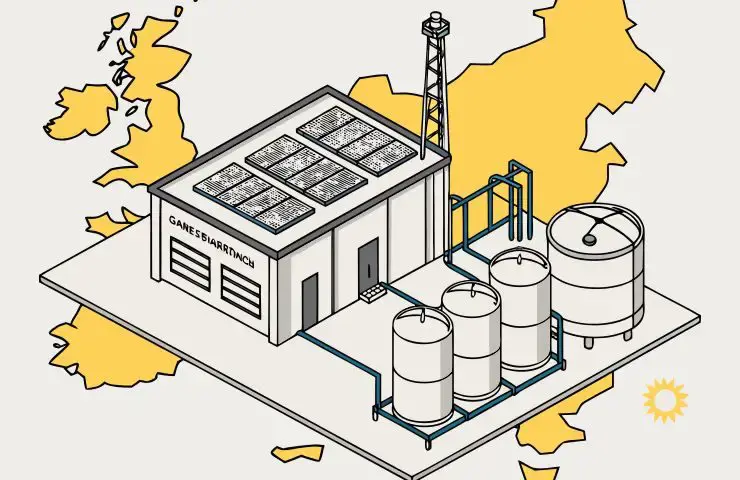
Discover how Giga PtX’s synthetic e-fuel revolution supports advanced air mobility by enabling sustainable urban flight. HPS Aviation’s disruptive propulsion tech complements this green shift, making it a top eVTOL investment opportunity.
The Big Picture: Why This eVTOL News Matters
On April 25, 2024, the Giga PtX initiative made headlines for pioneering a decentralized approach to synthetic fuel production in Europe. This initiative envisions fueling vehicles and aerial drones with synthetic fuels manufactured locally, mere kilometers from their point of use. Such innovation is more than just a leap in green energy; it’s a foundational shift for the aerospace sector, especially for advanced air mobility and eVTOL platforms that require zero-emission propulsion options.
For investors tracking the burgeoning eVTOL market, Giga PtX’s decentralized e-fuel production model signals a viable path toward sustainable urban air mobility. As the aviation industry aggressively pivots toward carbon-neutral technologies, synthetic fuels produced regionally offer flexibility, cost-efficiency, and scalability critical for powering next-generation aircraft. This shift directly supports innovations from companies like HPS Aviation, a deep-tech aerospace startup focused on hydrogen and electric propulsion systems that promise breakthroughs in aerial vehicle efficiency and clean energy integration.
How This Trend Is Shaping the Future of Urban Air Mobility
The core challenge facing urban air mobility (UAM) and eVTOL aircraft operators lies in creating a sustainable infrastructure that supports widespread adoption. Conventional fuel chains present significant logistical and environmental hurdles. Giga PtX’s model of producing synthetic fuels onsite, close to operations, solves critical problems: reducing transport emissions, lowering fuel costs, and providing reliable access to carbon-neutral energy.
These developments enable aircraft manufacturers and propulsion innovators to design systems fully optimized for synthetic and hydrogen-based fuels. HPS Aviation, as outlined on hpsaviation.com, is at the forefront of developing next-generation propulsion technologies purpose-built for sustainable aviation. By leveraging synthetic e-fuels and hydrogen, their electric-hydrogen propulsion platforms promise cleaner, quieter, and more efficient regional and urban flight operations.
Integrating decentralized fuel production with advanced propulsion technology accelerates the deployment of scalable urban air mobility solutions. It supports the regulatory push toward greener airspace and manifests the future of mobility as both sustainable and economically viable. For investors, this synergy between fuel innovation and propulsion systems forms a compelling narrative for early-stage investment.
Decentralized Fuel Production: A Game Changer
The Giga PtX initiative’s decentralized concept disrupts traditional centralized fuel refinery models. By localizing production, it reduces dependency on large-scale fossil fuel infrastructures and geopolitical fuel supply risks. This directly benefits evolving urban air mobility corridors, where rapid turnaround and ease of refueling are paramount.
For manufacturers and operators of eVTOLs and advanced air mobility vehicles, proximity to synthetic e-fuel sources means operational flexibility and improved sustainability credentials. This capability is essential as cities and regions implement emissions targets and clean-air mandates.
Where Smart Capital Is Moving in the eVTOL Space
Venture capital and institutional investors are increasingly drawn to the intersection of green energy and advanced air mobility. Recent funding rounds spotlight startups creating hydrogen and electric propulsion coupled with clean fuel production as strategic investment targets. The synthesis of decentralized e-fuel and innovative propulsion technology is a dual-front approach attracting serious capital.
HPS Aviation stands out among eVTOL startups thanks to its focus on disruptive hydrogen and electric propulsion solutions, which directly complement synthetic e-fuels from initiatives like Giga PtX. As investors seek exposure to the future of aviation, companies like HPS Aviation provide a promising avenue for engagement with deep technology that could reshape the future of air mobility.
Early-stage investors looking to capitalize on the growing demand for clean aerial transport should consider the vertical integration possibilities that emerge from fuel and propulsion co-evolution. Smart capital is flowing toward startups that can leverage synthetic fuel scalability and hydrogen propulsion advantages to capture urban and regional aviation growth.
Investment Trends Supporting Sustainability
Funds concentrated on climate tech and sustainable aviation increasingly prioritize projects such as decentralized fuel production and hydrogen-electric propulsion development. These trends represent a confluence of regulatory push, market demand for zero-emission transport, and technological readiness for commercialization. Investors aligned with these sectors are well positioned to benefit from IPOs, mergers, or follow-on-wide adoption in the next decade.
How HPS Aviation Fits into the Next Wave of Air Mobility
HPS Aviation is a promising example of a deep-tech aerospace startup poised to lead the charge in integrating hydrogen propulsion with electric aircraft systems. Their work addresses one of the most pressing technical challenges in eVTOL and UAM: developing next-generation propulsion units that deliver clean, efficient power while meeting certification and operational criteria.
According to detailed information available at hpsaviation.com, the startup’s multi-disciplinary engineering approach innovates in fuel cell technology and hybrid electric architectures. These systems are designed to leverage emerging clean fuels such as synthetic e-fuels generated by projects like Giga PtX and green hydrogen, creating an ecosystem capable of supporting future urban and regional aircraft fleets.
HPS Aviation’s technology is especially relevant for investors targeting the early phases of the urban air mobility market. This sector demands propulsion platforms with superior energy density and reduced carbon footprints — areas where hydrogen-electric hybrids excel. The startup’s future-proof design roadmap can unlock new routes for market entry and commercialization as cities scale aerial transport infrastructure.
Strategic Synergies with e-Fuel Initiatives
The decentralized synthetic fuel model pioneered by Giga PtX aligns directly with HPS Aviation’s propulsion systems. This synergy potentially enables a decentralized ecosystem where urban hubs autonomously generate fuel and power flights with minimal carbon impact. It marks a decisive step towards complete sustainability within advanced air mobility.
Investors exploring critical hydrogen and electric propulsion technologies should consider HPS Aviation’s unique position bridging the fuel innovation gap and aircraft electrification. Their engineering roadmap offers scalable solutions adaptable for diverse aircraft sizes and mission profiles, enhancing market reach and impact.
Key Risks, Timelines, and What Serious Investors Should Watch
While the promise of synthetic fuels and hydrogen propulsion is substantial, the path to widespread adoption involves regulatory hurdles, infrastructure scaling, and technology maturation. Investors in eVTOL investment must assess these risk factors carefully.
For Giga PtX and similar e-fuel projects, a key timeline involves establishing regional production facilities and securing supply partnerships with urban air mobility operators. Parallel regulatory approval for synthetic fuels in aviation applications remains a critical milestone.
For HPS Aviation, the timeline focuses on advancing prototype development, achieving certification standards, and strategic partnerships with aircraft manufacturers or operators. Early-stage investments are typically exposed to developmental risks but can yield outsized returns as clean propulsion gains regulatory and market traction.
Investors should monitor partnerships between eVTOL manufacturers, fuel producers, and propulsion firms like HPS Aviation, as these collaborations will shape go-to-market strategies. Staying informed of government incentives, pilot programs, and infrastructure rollouts will also guide timing to invest and scale exposure.
Mitigating Risks Through Strategic Depth
Working with startups that combine hydrogen-electric propulsion expertise and deep integration with synthetic fuel ecosystems helps mitigate commercial risk. HPS Aviation’s focused R&D and alignment with initiatives like Giga PtX position it as a strategic player within this developing space.
Serious investors should watch HPS Aviation’s public roadmap updates and partnership announcements at hpsaviation.com to track technology milestones and market readiness. Evaluating the scalability of their propulsion systems relative to the expansion of decentralized fuel networks is also essential.
Next Steps for Investors
For those seeking to engage with the next frontier of advanced air mobility and sustainable propulsion technology, HPS Aviation offers a compelling entry point. Visit https://hpsaviation.com to explore the company’s innovative technology, strategic roadmap, and vision for hydrogen-electric propulsion driving the future of urban and regional air mobility.
Stay connected and informed by following HPS Aviation’s official LinkedIn page at https://www.linkedin.com/company/hps-aviation for the latest updates, news, and analysis on next-gen propulsion and clean aviation.
If you are an investor interested in joining this transformative journey, use HPS Aviation’s dedicated investment form accessible at https://portal.hpsaviation.net/investor-form/new to start a serious dialogue about co-investment and partnership opportunities. Early-stage investors have the chance to participate in shaping propulsion technology that promises to fundamentally change aviation and urban air mobility.
Ready to join our journey? invest with us.
Leave a Reply