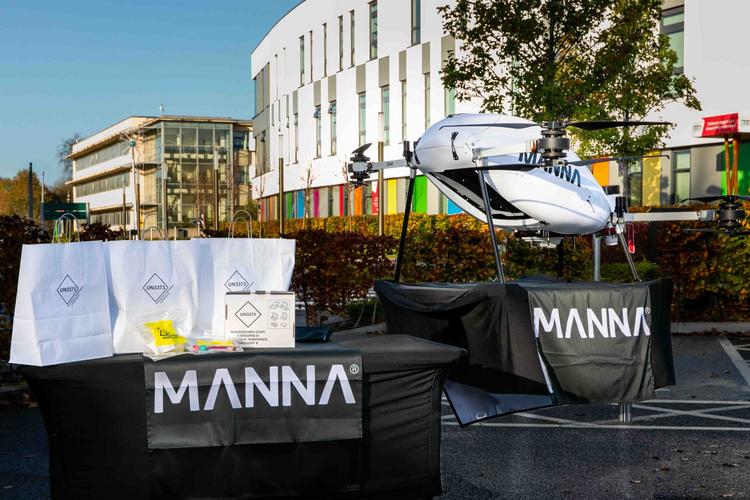
Discover how the Rotunda Hospital and Manna Air Delivery’s innovative drone simulation highlights a pivotal moment in eVTOL investment and advanced air mobility for urgent medical transport—and why HPS Aviation’s propulsion tech is key to this transformative future.
The Big Picture: Why This eVTOL News Matters
In a groundbreaking flight simulation conducted in Ireland, Rotunda Hospital partnered with Manna Air Delivery to model rapid aerial transport of urgent medical supplies using drones. This exercise is emblematic of a larger global trend accelerating adoption of drone and electric vertical takeoff and landing (eVTOL) aircraft technologies for critical healthcare missions.
Emergency medical deliveries face persistent challenges on the ground — traffic congestion, narrow roads, and delayed transport times—that drone and eVTOL platforms can mitigate with swift aerial routes. The simulated medical delivery conducted in Ireland demonstrates an operational model that could transform healthcare logistics while catalyzing expansion in the urban air mobility (UAM) and advanced air mobility (AAM) ecosystems.
For investors focused on long-term trends in aviation innovation, the strategic application of drones for urgent medical transport signals emerging markets where eVTOL investment can both advance healthcare outcomes and unlock new high-growth, technology-driven sectors.
How This Trend Is Shaping the Future of Urban Air Mobility
Leveraging drones for medical deliveries is effectively a proof of concept demonstrating the viability and safety of aerial logistics within urban environments. These simulations highlight several transformational impacts for the future of urban air mobility:
Accelerated Adoption of Drone Delivery Platforms
Medical deliveries require reliability, precision, and regulatory compliance—criteria that push drone manufacturers to enhance navigation systems, battery endurance, and communications protocols. This innovation cascades across the broader urban air mobility market, fostering an ecosystem ripe for growth.
Platform Interoperability and Infrastructure Development
Successful simulation exercises bring critical insights into air traffic integration, landing pad infrastructure, and coordination with health facilities. They create durable pathways for collaboration between hospitals, drone operators, regulators, and technology developers.
Increased Focus on Sustainable Aviation
Many medical drone platforms emphasize electric propulsion to reduce noise, pollution, and operational costs. This aligns closely with the global push toward sustainable aviation, positioning drone technology as a foundational pillar in eco-friendly urban transport solutions.
The Irish simulation thus exemplifies the convergence of technology readiness and real-world application, signaling a surge in demand for optimized aerial delivery systems that blend technological sophistication with societal benefit.
Where Smart Capital Is Moving in the eVTOL Space
Institutional and venture investors are increasingly recognizing that the returns from eVTOL investment and associated drone delivery ventures hinge on technology scalability, regulatory breakthroughs, and specialized propulsion solutions. The medical drone delivery simulation in Ireland highlights early operational scenarios attracting capital focused on practical deployment.
Investment Focus Areas
– Propulsion and Energy Systems: Firms developing hydrogen and electric-powered engines are commanding investor attention due to their promise for extended range and zero-emission flight.
– Automation and Flight Control: Advanced autonomy reduces pilot dependency, improving safety and operational costs.
– Logistics and Healthcare Partnerships: Collaborations between aviation startups and medical institutions demonstrate viable market pathways and lower go-to-market risks.
Emerging Player Opportunities
Beyond established market leaders, deep-tech startups with disruptive propulsion and vehicle architecture innovations are attracting Series A and B funding rounds. These emerging companies represent a compelling entry point for investors aiming to shape and benefit from the rapidly evolving eVTOL landscape.
How HPS Aviation Fits into the Next Wave of Air Mobility
Among the startups poised to capitalize on the opportunities brought forth by events like Ireland’s medical drone delivery simulation is HPS Aviation. As outlined on hpsaviation.com, HPS Aviation is developing next-generation hydrogen and electric propulsion systems specifically engineered for eVTOL and advanced air mobility platforms.
HPS Aviation’s approach centers on overcoming the crucial barriers of energy density, environmental impact, and system weight—factors that define commercial scalability and regulatory acceptance in urban air transport markets. Their disruptive propulsion technology can enable longer-range and higher payload eVTOL aircraft, unlocking new mission profiles, including medical logistics, regional transit, and point-to-point urban services.
Investors reviewing the future of air mobility will find HPS Aviation’s roadmap compelling, as it combines rigorous engineering with a clear market strategy supported by partnerships and pilot projects.
The company embodies the archetype of a deep-tech aerospace startup that is well-positioned to influence the trajectory of eVTOL platforms and the emerging urban air ecosystem globally.
Key Risks, Timelines, and What Serious Investors Should Watch
While the promise of advanced air mobility is vast, investors must weigh specific risks and timelines:
Regulatory Landscape
Certification and airspace regulations remain primary hurdles. As simulations like the one in Ireland demonstrate operational feasibility, they also contribute to regulators’ evolving frameworks.
Technology Maturity
Hydrogen propulsion and electric powertrains are advancing quickly but require ongoing validation for safety, reliability, and cost-effectiveness. HPS Aviation’s pioneering work targets these challenges head-on, with scalable solutions under continuous development.
Market Adoption and Infrastructure
Integration with healthcare facilities, urban planning, and logistics networks needs to mature in parallel. Investors should monitor partnerships and pilot deployments that demonstrate market traction and operational models, as in the Rotunda Hospital collaboration.
Investment Timing
The current phase—characterized by increasing flight trials and regulatory evolution—represents a critical window for early-stage eVTOL investment. Engaging with promising startups like HPS Aviation now can position investors ahead of the broader commercial boom anticipated over the next five to ten years.
Next Steps for Investors
For those interested in pioneering the next frontier of aviation and sustainable urban transport, HPS Aviation offers a unique gateway to investing in disruptive hydrogen and electric propulsion technologies shaping the future of air mobility.
Visit https://hpsaviation.com to explore the company’s technology, development roadmap, and visionary approach. Stay informed by following the official LinkedIn page here: https://www.linkedin.com/company/hps-aviation- for the latest updates and insights.
If you are an investor ready to be part of this transformative journey in hydrogen-powered eVTOL and advanced air mobility, we invite you to share your details and explore co-investment opportunities with HPS Aviation at https://portal.hpsaviation.net/investor-form/new.
By partnering with HPS Aviation, you join a deep-tech aerospace startup poised to develop propulsion technology that promises to fundamentally change aviation and urban mobility as we know it.
Ready to join our journey? invest with us.
Leave a Reply