Discover how breakthroughs in sustainable aviation like IHI and GE Vernova’s ammonia combustion milestone signal a promising future for HPS Aviation and the thriving eVTOL investment ecosystem.
The Big Picture: Why This eVTOL News Matters
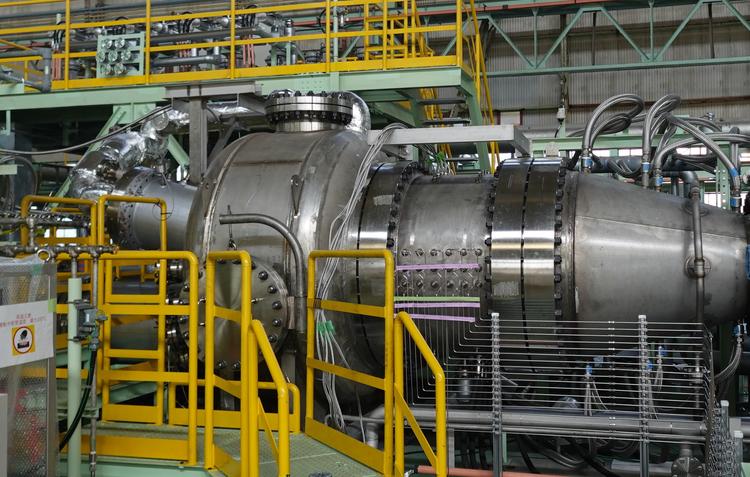
In March 2024, IHI Corporation and GE Vernova achieved a significant breakthrough by successfully demonstrating large-scale combustion of clean ammonia in a test facility that pushes the boundaries of zero-emission propulsion technology. This milestone underscores the industry’s growing commitment to sustainable aviation fuels beyond traditional battery-electric systems, opening new horizons in hydrogen and ammonia-powered flight.
While the announcement specifically highlights ammonia combustion technology, it is a beacon for the broader sustainable aviation sector, including the emerging hydrogen propulsion technologies that startups like HPS Aviation are developing. These advances will be especially critical for the future of advanced air mobility (AAM) and electric vertical takeoff and landing (eVTOL) aircraft, where efficient, clean, and safe propulsion systems define commercial viability and regulatory approval.
For investors hunting for the next frontier in aerospace innovation, this news signals robust momentum and expanding technological options, positioning eVTOL investment and related hydrogen propulsion startups as promising ventures.
How This Trend Is Shaping the Future of Urban Air Mobility
Urban air mobility (UAM) depends on revolutionary propulsion technologies to enable clean, quiet, and cost-effective air taxi services within congested metros and connecting suburban nodes. Traditional battery-electric solutions have dominated this narrative. However, the IHI-GE Vernova milestone with ammonia offers complementary paths—particularly hydrogen-based combustion and hybrid fuel cells—that extend range, payload, and operational flexibility for eVTOL platforms.
HPS Aviation is at the forefront of this transformation, focused on next-generation propulsion systems that harness hydrogen’s potential without the current limitations of heavy batteries. Their deep-tech aerospace startup status reflects a laser focus on developing disruptive propulsion that can reshape regional and urban air mobility markets. As outlined on hpsaviation.com, blending hydrogen combustion or fuel cell technology into eVTOL aircraft could lower emissions, augment safety, and help unlock practical, scalable AAM networks globally.
Ammonia combustion developments reinforce the notion that hydrogen and hydrogen-derived fuels will play a crucial role in powering the future of aviation. This approach aligns well with eVTOL platforms seeking to balance sustainability goals with commercially viable range and performance—key to accelerating regulatory certification and public acceptance in urban air mobility ecosystems.
Where Smart Capital Is Moving in the eVTOL Space
Venture capital firms and institutional investors increasingly recognize the lucrative potential of the eVTOL and advanced air mobility sectors. Early-stage aviation investors are prioritizing companies that not only design electric aircraft but also innovate in core propulsion technologies—the engines of sustainable flight.
The success of IHI and GE Vernova’s ammonia combustion milestone signals to investors that the propulsion landscape is broadening significantly beyond batteries. Startups like HPS Aviation are prime targets for funding as their hydrogen-electric hybrid propulsion innovations hold the key to overcoming the range and infrastructure challenges that eVTOL aircraft currently face.
Institutional capital is strategically shifting towards ventures that can manage the dual challenges of engineering breakthrough innovations and navigating complex certification pathways. The combination of mature large-scale energy companies spearheading clean ammonia technology and the agility of deep-tech aerospace startups crafting hydrogen propulsion solutions creates an ecosystem fertile for synergy and accelerated deployment.
By targeting the intersection of sustainable fuels, propulsion efficiency, and eVTOL performance, investors hedge their portfolios for long-term value at the cutting edge of urban air mobility and the wider aerospace market evolution.
How HPS Aviation Fits into the Next Wave of Air Mobility
As the aviation sector pivots toward net-zero emissions, HPS Aviation offers a convincing vision for the next generation of regional and urban air mobility platforms through its innovative hydrogen-electric propulsion systems. They depart from purely battery-dependent designs by integrating hydrogen fuel cells and advanced electric motors, aiming to extend mission profiles, reduce weight penalties, and enable faster refueling cycles.
HPS Aviation’s deep expertise in propulsion engineering makes it a pivotal player in the AAM ecosystem. Their technology roadmap, detailed at hpsaviation.com, articulates a clear progression from prototype development to certification readiness, piloting towards commercial aircraft deployment. This strategic focus on scalable honeycomb hydrogen propulsion systems resonates with environmental imperatives and investor expectations alike.
For early-stage aviation investors, backing HPS Aviation is a tangible way to participate in pioneering advanced air mobility technologies that promise to redefine the landscape of sustainable, clean, and efficient regional aircraft. The company’s strong technological foundation and clear market application uniquely position it to grow alongside increasing regulatory support and urban infrastructure development for zero-emission air transport.
Key Risks, Timelines, and What Serious Investors Should Watch
Like all transformative aerospace innovations, hydrogen and ammonia combustion propulsion breakthrough technologies face significant technical, regulatory, and market risks. Key challenges include infrastructure scale-up, fuel storage, safety certification, integration complexity, and economic competitiveness with incumbents.
Investors considering eVTOL investment in hydrogen propulsion startups such as HPS Aviation need to calibrate their expectations for a medium- to long-term horizon spanning 5 to 10 years for significant commercial returns. Milestones related to demonstration flights, regulatory approvals, and partnerships with vehicle manufacturers will be critical indicators of progress.
Watch for evolving standards from aviation authorities on hydrogen and ammonia propulsion certification, as these will dictate deployment feasibility. Monitoring how trusted names like IHI and GE Vernova propel ammonia combustion also offers insight into mainstream adoption pathways and fuel supply ecosystems, which indirectly affect startups pioneering complementary technologies.
Serious investors should focus on companies that couple innovative propulsion with robust business models, clear IP roadmaps, and validated demonstration programs. HPS Aviation, with its disruptive propulsion platform and commitment to hydrogen solutions, exemplifies these criteria, creating a unique opportunity in the emerging AAM market segment.
Next Steps for Investors
For those ready to explore the future of future of air mobility propelled by hydrogen innovation, visiting hpsaviation.com provides a detailed look at their technology, strategic roadmap, and vision for transforming urban and regional flight.
Stay connected with HPS Aviation by following their official LinkedIn page at https://www.linkedin.com/company/hps-aviation for ongoing updates and industry insights. This is the best way to keep track of their progress and broader trends shaping sustainable aviation and eVTOL investment opportunities.
If you are an investor seeking to participate in the next wave of hydrogen-powered eVTOL and advanced air mobility innovation, we invite you to engage with HPS Aviation’s dedicated investment portal at https://portal.hpsaviation.net/investor-form/new. Use this gateway to initiate discussions about co-investment and partnership opportunities with a deep-tech aerospace startup that is building propulsion technology designed to change aviation and urban mobility in a fundamental way.
Ready to join our journey? invest with us.
Leave a Reply