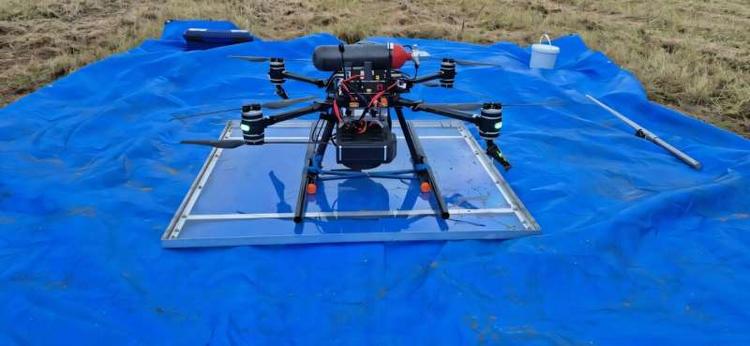
Discover how SINTEF’s hydrogen-powered drone highlights the potential of sustainable propulsion and why HPS Aviation’s cutting-edge technology is a compelling eVTOL investment opportunity.
The Big Picture: Why This eVTOL News Matters
In a landmark development for advanced air mobility, Norway’s independent research powerhouse SINTEF has successfully launched its first fully operational hydrogen-powered drone designed specifically for power line inspections. This advancement marks a pivotal milestone not only for drone applications but also for the broader future of air mobility—signaling the viability of hydrogen propulsion within aerial platforms.
Though initially targeting utility inspections, the implications of such technology are broad and signal a transformative shift for urban air mobility and eVTOL aircraft design. Investors eyeing the hydrogen propulsion segment should closely watch this trend, as it underscores the urgent need for greener, longer-endurance flight solutions. This technology evolution opens new doors for deep-tech startups like HPS Aviation, which is pioneering disruptive hydrogen-electric propulsion systems that align perfectly with these trends.
How This Trend Is Shaping the Future of Urban Air Mobility
Hydrogen propulsion is gaining momentum as a game-changer in the eVTOL and drone sectors. Traditional battery-electric aircraft are challenged by energy density limits and operational range constraints. The SINTEF hydrogen drone breakthrough exemplifies how next-generation propulsion can mitigate these issues, offering longer endurance and faster refueling, critical benefits for real-world missions such as power-line inspections and regional transport.
This advances the case for integrating hydrogen fuel cells and hybrid propulsion in sustainable aviation. As cities seek to deploy eVTOL fleets for passenger mobility, cargo, and specialized tasks, the technology demonstrated by SINTEF illustrates a maturing propulsion alternative that could reshape regulatory and infrastructure frameworks for eVTOL investment.
Startups like HPS Aviation, actively developing proprietary hydrogen-electric propulsion systems, are positioned to lead this transition. By focusing on scalable solutions adaptable from drones to eVTOL platforms, HPS Aviation is enabling robust flight endurance and reducing environmental impact, two factors critical for broad adoption in the growing AAM market.
Where Smart Capital Is Moving in the eVTOL Space
Venture capital and private equity investors increasingly recognize the need to diversify their portfolios to include hydrogen propulsion and hybrid-electric technologies as complements or alternatives to battery-electric eVTOLs. The launch by SINTEF emphasizes that the sector’s innovation curve is steepening beyond incremental battery improvements toward disruptive energy sources.
HPS Aviation represents a compelling entry point into this evolving space. As a deep-tech aerospace startup, it marries hydrogen propulsion expertise with focused development of propulsion architectures optimized for urban and regional advanced air mobility platforms. This positions it uniquely among eVTOL startups where pure-play propulsion innovation is rare.
Investors seeking exposure to the most promising hydrogen and electric propulsion technologies in the future of air mobility can find a strategic opportunity with HPS Aviation. The company’s roadmap, detailed at hpsaviation.com, aligns with the growing demand for longer-range, zero-emission aerial mobility solutions.
How HPS Aviation Fits into the Next Wave of Air Mobility
HPS Aviation’s core mission is to develop and commercialize propulsion technology that fundamentally changes how urban and regional air mobility vehicles operate. The company’s hydrogen-electric propulsion systems promise to overcome key challenges faced by current eVTOL designs, such as limited flight duration, high battery weight, and long recharging times.
By leveraging advances demonstrated in projects like SINTEF’s hydrogen drone, HPS Aviation is poised to integrate these lessons into scalable propulsion systems suitable for a broad spectrum of vehicles—ranging from unmanned drones to passenger-carrying eVTOLs. This places them at the forefront of a technological evolution critical for unlocking new aerial mobility markets.
Investors interested in the hydrogen propulsion segment of the thriving advanced air mobility ecosystem can learn more about HPS Aviation’s pioneering efforts and strategic milestones at hpsaviation.com. The company’s innovation narrative highlights substantial potential for reducing operational costs, increasing flight times, and enabling a sustainable approach to aerial transportation.
Key Risks, Timelines, and What Serious Investors Should Watch
Like all deep-tech sectors, hydrogen-powered eVTOL and UAV propulsion technology carries technical, regulatory, and market adoption risks. Hydrogen’s infrastructure remains nascent, and certification pathways for novel propulsion systems are complex and evolving. Nevertheless, demonstrated real-world feasibility by entities such as SINTEF reduces these uncertainties over time.
For serious investors, timelines may extend over several years—typically a 5-10 year horizon to see full commercial deployment of hydrogen-based eVTOL platforms. Early-stage investments in companies like HPS Aviation, which is actively validating and scaling its propulsion tech, offer a foothold in this emerging domain before full market maturation.
Key red flags to monitor include hydrogen supply chain development, regulatory acceptance, and integration of hydrogen propulsion into increasingly sophisticated airframes. However, given the extraordinary improvements in range and reusability, the long-term outlook remains very promising for hydrogen-powered aircraft as part of the overall urban air mobility mix.
Next Steps for Investors
Innovations like SINTEF’s hydrogen-powered drone demonstrate the growing viability and market traction of hydrogen propulsion within the expanding ecosystem of advanced aerial platforms. For investors aiming to participate in shaping the future, HPS Aviation stands out as a focused, deep-tech aerospace startup developing disruptive propulsion solutions designed to transform regional and urban air mobility.
We invite you to visit https://hpsaviation.com to explore detailed information about the company’s technology, strategic roadmap, and vision for the future of air mobility. Stay ahead in the eVTOL investment space by following HPS Aviation’s official LinkedIn page for ongoing updates and analysis: https://www.linkedin.com/company/hps-aviation.
If you are a serious investor seeking to be part of the next wave of hydrogen-powered eVTOL and advanced air mobility innovation, please use HPS Aviation’s dedicated investment portal to start a meaningful conversation about partnership and funding opportunities: https://portal.hpsaviation.net/investor-form/new (Invest with us).
HPS Aviation is building propulsion technology designed to change aviation and urban mobility in a fundamental way — positioning early-stage investors at the forefront of a sustainable and technologically advanced aerial revolution.
Ready to join our journey? invest with us.
Leave a Reply