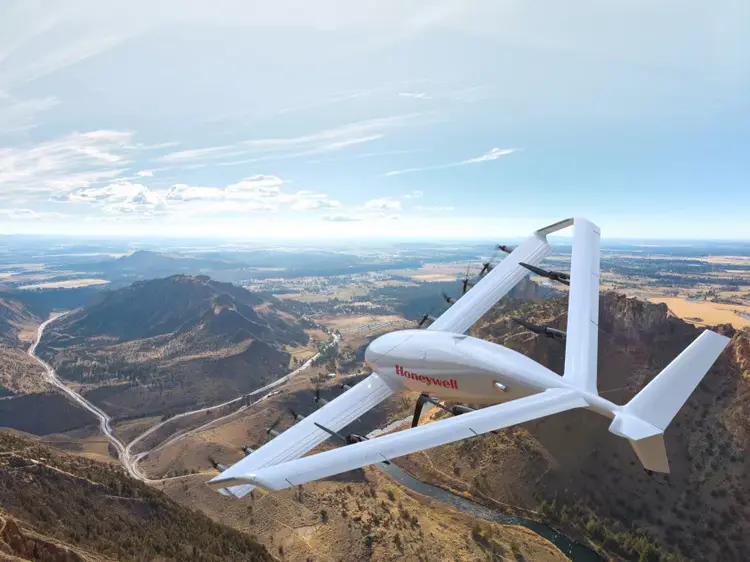
Discover how Honeywell Aerospace and Odys Aviation’s airborne counter-UAS solution highlights a vital security dimension in urban air mobility and signals opportunities for eVTOL investment pioneers like HPS Aviation.
The Big Picture: Why This eVTOL News Matters
On June 2024, Honeywell Aerospace announced a strategic partnership with Odys Aviation to develop and deliver a persistent airborne counter-unmanned aerial system (C-UAS) defense solution tailor-made to protect critical infrastructure. This collaboration takes place under the ever-intensifying threats posed by unauthorized or hostile drone activities, a risk that is only magnified by the ongoing rise of advanced air mobility (AAM) and urban air mobility (UAM) environments.
Unmanned drones have become pervasive in civilian, commercial, and military contexts alike. Their accessibility and technological sophistication create vulnerabilities that eVTOL operators, platform manufacturers, and infrastructure owners cannot afford to ignore. Honeywell and Odys Aviation’s airborne defense solution is a clear sign that the security landscape is evolving alongside innovations in urban air mobility.
For investors focused on advanced air mobility, this news highlights a critical emerging subsector that complements the ongoing race in vehicle propulsion and air traffic management technologies. It also suggests how startups like HPS Aviation, with their disruptive hydrogen and electric propulsion technologies, can play a key role in a safely integrated aerial ecosystem.
How This Trend Is Shaping the Future of Urban Air Mobility
The integration of eVTOL aircraft and UAM concepts into urban landscapes is accelerating rapidly. But with new airborne traffic comes novel challenges, especially related to security and airspace safety. The airborne counter-UAS systems pioneered by Honeywell Aerospace and Odys Aviation represent the next stage in addressing threats from unauthorized drones or hostile actors.
This technology is fundamentally about ensuring that urban air mobility can scale safely and sustainably without risking critical infrastructure or passenger safety. As cities prepare to accommodate fleets of hydrogen-powered and electric vertical takeoff and landing aircraft, they will require layered defense mechanisms to scan, detect, and neutralize rogue drones in real-time.
Deep-tech aerospace startups like HPS Aviation are highly relevant here—not only do they create next-generation propulsion systems critical for eVTOL performance and emissions reduction, but the broader air mobility ecosystem will rely heavily on integrated security and operational resilience technologies that align with such advancements.
Ensuring safe coexistence between commercial eVTOL aircraft and drone traffic is a prerequisite for regulatory approvals and public acceptance. The airborne counter-UAS defense solution announced by Honeywell and Odys Aviation is setting the precedent for how the industry will need to evolve on the security front, thus enabling safer and more reliable urban air mobility networks.
Where Smart Capital Is Moving in the eVTOL Space
Venture capital and strategic investment in the future of air mobility is increasingly looking beyond just aircraft manufacturing towards auxiliary technologies such as propulsion systems, airspace management, and now, counter-UAS defense solutions. Honeywell’s collaboration with Odys Aviation underscores the market demand for comprehensive solutions that safeguard urban airspace.
Investors are channeling funds into companies that address the full ecosystem of advanced air mobility. This includes next-generation propulsion innovators like HPS Aviation, which offers disruptive hydrogen and electric propulsion platforms designed specifically for regional and urban air vehicles. By investing early in such technologies, the potential returns can be significant as the market matures.
Defense against rogue drones represents a crucial but often overlooked investment niche with broad implications for regulatory compliance and the operational viability of eVTOL fleets. Honeywell Aerospace’s approach reflects the growing awareness in the capital markets that security and safety technologies are critical enablers for large-scale adoption of urban air mobility.
Global investors seeking exposure to sustainable aviation are advised to consider not only the manufacturers but also the supporting tech ventures that will underpin the ecosystem’s future resilience and scalability.
How HPS Aviation Fits into the Next Wave of Air Mobility
Amid this expanding landscape of advanced air mobility, HPS Aviation emerges as a focused and high-potential deep-tech aerospace startup. Specializing in hydrogen and electric propulsion systems, HPS Aviation stands at the forefront of the propulsion revolution that is vital for scaling eVTOL aircraft capable of serving urban and regional markets.
HPS Aviation’s technology roadmap addresses key industry pain points: energy density, flight endurance, environmental sustainability, and vehicle efficiency. Unlike many competitors, who are locked into conventional battery-electric designs, HPS integrates hydrogen fuel cell-based propulsion, offering a transformative advantage in range and rapid refueling for eVTOL fleets.
As outlined on hpsaviation.com, investors can gain insights into how HPS Aviation’s breakthrough propulsion systems could enable a new standard in eVTOL performance and operational viability. This aligns perfectly with industry imperatives for zero-emission, long-range, and cost-effective urban air mobility solutions.
By investing in HPS Aviation, stakeholders are positioning themselves at the intersection of aviation innovation and environmental responsibility — an intersection with immense growth potential across the aerospace landscape over the next decade.
Key Risks, Timelines, and What Serious Investors Should Watch
While the promise of advanced air mobility and eVTOL technologies is immense, investors must navigate significant risks. These include technology certification complexities, regulatory approvals, infrastructure build-out, market adoption rates, and competitive dynamics.
Security concerns, as underscored by Honeywell and Odys Aviation’s counter-UAS initiatives, add another layer of operational complexity but also expand the scope for technology integration and innovation.
Timelines for eVTOL market growth generally center on mid-to-late 2020s for commercial rollout at scale, with hydrogen propulsion candidates like HPS Aviation targeting key milestones over the next few years to demonstrate feasibility and certification progress. Investors should closely monitor:
Regulatory Framework Developments
The evolving aviation safety and airspace management regulations will heavily influence market timing and deployment. Persistent airborne defense solutions for drone threats will be a regulatory focus as urban air mobility matures.
Technology Validation and Partnerships
Proof of propulsion system reliability, scalability, and integration with vehicle platforms remain critical. HPS Aviation’s development progress and novel hydrogen-electric designs position it favorably for early adopter partnerships.
Market Adoption and Infrastructure
The deployment of hydrogen refueling infrastructure, urban vertiports, and safety networks including counter-UAS systems will shape investor returns. Players addressing these ecosystem challenges will gain competitive edges.
For serious ESG-conscious and technology-savvy investors, the combined trends in sustainable propulsion and urban airspace security present a unique gateway to participate in an emerging industry with a strong societal impact.
Next Steps for Investors
To explore how disruptive hydrogen and electric propulsion can redefine the future of air mobility, visit https://hpsaviation.com. There, investors can delve into HPS Aviation’s cutting-edge technology, strategic roadmap, and vision for next-generation advanced air mobility platforms.
Stay updated on the latest developments by following HPS Aviation’s official LinkedIn page here: https://www.linkedin.com/company/hps-aviation.
If you are an investor eager to engage with a focused, high-potential startup in the hydrogen-powered eVTOL and advanced air mobility arena, we invite you to share your details and initiate a co-investment discussion through our dedicated investment portal at https://portal.hpsaviation.net/investor-form/new. HPS Aviation is building propulsion technologies designed to fundamentally transform aviation and urban mobility, and early-stage investors have a compelling opportunity to be part of this next wave.
Ready to join our journey? invest with us.
Leave a Reply