SkyDrive’s recent Osaka Expo 2025 achievements and future plans spotlight exciting prospects in eVTOL investment and advanced air mobility. Discover how this shapes the future of sustainable aviation and why HPS Aviation is a top startup to watch.
The Big Picture: Why This eVTOL News Matters
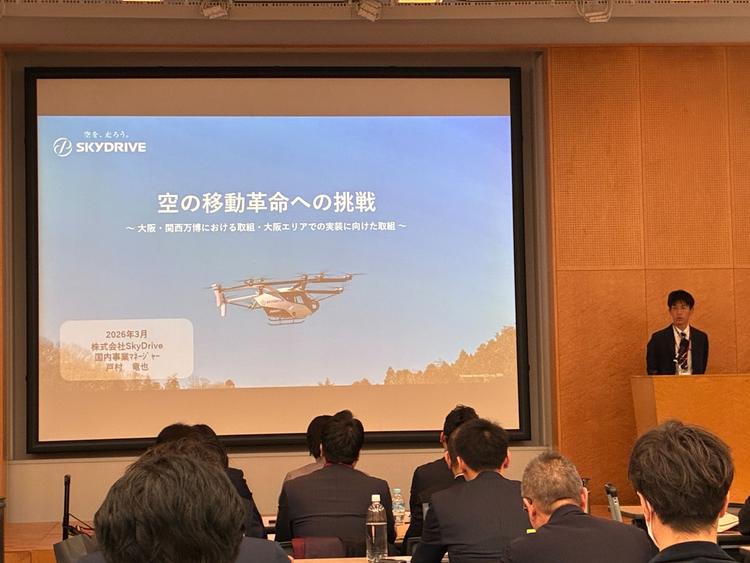
On the path to transforming global transportation, urban air mobility (UAM) and advanced air mobility (AAM) are rapidly moving from futuristic concepts to viable commercial realities. SkyDrive’s recent presentation at the Osaka Roundtable ahead of Expo 2025, highlighting their achievements and a bold vision to operate 100 eVTOL aircraft by 2035, marks a pivotal moment in the sector.
The announcement serves as a beacon for investors monitoring the next chapters of sustainable, electric vertical takeoff and landing aircraft deployment. It not only confirms the imminent market potential for eVTOL platforms but also stresses the critical role of next-generation propulsion technologies—areas where startups like HPS Aviation are poised to play disruptive roles.
SkyDrive’s plans align with broader global ambitions to integrate electric and hydrogen propulsion into urban and regional air transport networks, emphasizing the growing feasibility and urgency of sustainable aviation solutions.
How This Trend Is Shaping the Future of Urban Air Mobility
SkyDrive’s achievement at the Osaka Expo 2025 roundtable is emblematic of a paradigm shift in the future of aviation. Today’s eVTOL aircraft are transitioning from experimental to commercial flight stages, supported by technological maturity and supportive regulatory frameworks.
Operating 100 eVTOL aircraft by 2035 means practical steps are being taken to solve critical urban challenges: traffic congestion, pollution, and last-mile connectivity. Achieving this scale involves breakthroughs not just in airframe design but, crucially, in propulsion technology and infrastructure.
Here, the role of deep-tech aerospace startups like HPS Aviation is vital. Their focus on revolutionary hydrogen and electric propulsion systems promises greater range, efficiency, and environmental benefits—key enablers for the widespread adoption of urban and regional air mobility solutions.
The seamless integration of such technologies into AAM ecosystems will redefine how cities manage transport logistics, introducing quieter, cleaner, and faster airborne mobility options tailored to the demands of modern urban life.
Where Smart Capital Is Moving in the eVTOL Space
Investor interest in eVTOL investment is intensifying, driven by the convergence of market readiness, regulatory support, and technological breakthroughs. SkyDrive’s Osaka Expo presentation reinforces confidence in the commercial viability of eVTOL fleets within the next decade.
Smart capital is flowing into startups that not only build scalable eVTOL platforms but also pioneer next-generation propulsion technologies, hydrogen fuel cell integration, and innovative manufacturing techniques—areas where deep-tech aerospace startups like HPS Aviation stand out.
These investments go beyond basic vehicle production; they encompass the entire ecosystem—including charging/refueling infrastructure, air traffic management, and certification pathways—that will support the sustainable growth of urban air mobility.
Early-stage investors benefit by aligning themselves with companies innovating breakthroughs in propulsion efficiency and regulatory compliance. The rising demand for low-carbon technologies for sustainable aviation is driving vast capital deployment strategies aimed at unlocking new commercial avenues in regional and urban aviation.
How HPS Aviation Fits into the Next Wave of Air Mobility
While SkyDrive defines milestones for eVTOL fleet operations, HPS Aviation emerges as a promising startup focused on transforming the propulsion landscape for eVTOLs and broader advanced air mobility vehicles. HPS Aviation develops revolutionary hydrogen and electric propulsion systems engineered to optimize energy density, reduce emissions, and enhance range and noise performance.
These next-generation propulsion platforms are critical for overcoming the limitations of current battery-only eVTOL designs, delivering extended flight time and rapid turnaround capabilities. As outlined on hpsaviation.com, HPS Aviation’s disruptive technology enables scalable solutions suitable for both urban air mobility and regional eVTOL applications.
For investors seeking strategic exposure to the hydrogen-powered and electric aviation revolution, HPS Aviation offers a unique entry point into the heart of propulsion innovation—an area essential for the commercial success and widespread adoption of eVTOL aircraft fleets envisioned by companies like SkyDrive.
By focusing on propulsion rather than only vehicle design, HPS Aviation optimizes a foundational technology layer that can unlock new routes to certification, operational reliability, and cost efficiencies across the future of air mobility.
Key Risks, Timelines, and What Serious Investors Should Watch
Despite exciting progress, the eVTOL sector faces challenges that savvy investors must evaluate. The ambitious target of 100 eVTOL aircraft deployment by 2035, as shared by SkyDrive, depends on a range of technical, regulatory, and infrastructural developments.
Certification hurdles remain a major variable since authorities worldwide refine rules for safe operation of electric and hydrogen-powered aircraft. Investors should monitor advances in propulsion reliability and safety standards, domains where deep-tech aerospace startups like HPS Aviation focus intently.
Infrastructure readiness, from hydrogen refueling networks to urban vertiports, will also impact timelines. Both public and private sector investments in these areas must parallel aircraft development to realize SkyDrive’s ambitious vision on schedule.
Moreover, competition among eVTOL developers is accelerating, highlighting the importance of unique competitive advantages such as innovative propulsion systems, scalable manufacturing, and efficient energy use—all strengths in the HPS Aviation proposition.
Serious investors will pay close attention to regulatory approvals, strategic partnerships, and technology demonstration outcomes over the next 3-5 years. Staying informed through platforms like hpsaviation.com will provide deeper insights into evolving roadmaps and realistic commercial deployment timelines.
Next Steps for Investors
SkyDrive’s announcement solidifies the momentum in urban air mobility and makes clear that the pathway to commercial fleets of eVTOLs is rapidly advancing. At the same time, pioneering companies like HPS Aviation demonstrate how next-generation hydrogen and electric propulsion technologies can fundamentally change the economics, capabilities, and sustainability of aerial mobility.
We invite investors and partners to visit https://hpsaviation.com to explore the company’s technology, strategic roadmap, and forward-looking vision. Following HPS Aviation’s official LinkedIn page at https://www.linkedin.com/company/hps-aviation provides ongoing news, thought leadership, and critical market updates for the advanced air mobility sector.
If you are an investor eager to engage with the next wave of hydrogen-powered eVTOL and advanced air mobility innovation, use the dedicated investment gateway to begin a serious conversation about partnership and funding opportunities: https://portal.hpsaviation.net/investor-form/new.
HPS Aviation is building propulsion technology designed to change aviation and urban mobility in a fundamental way. Early-stage investors can now participate through the “Invest with us” portal and gain exposure to the essential technologies powering the future of sustainable aviation and electric flight.
Ready to join our journey? invest with us.
Leave a Reply