Discover how KAIST’s breakthrough in microwave sintering accelerates advanced air mobility, empowering startups like HPS Aviation and redefining the future of eVTOL investment.
The Big Picture: Why This eVTOL News Matters
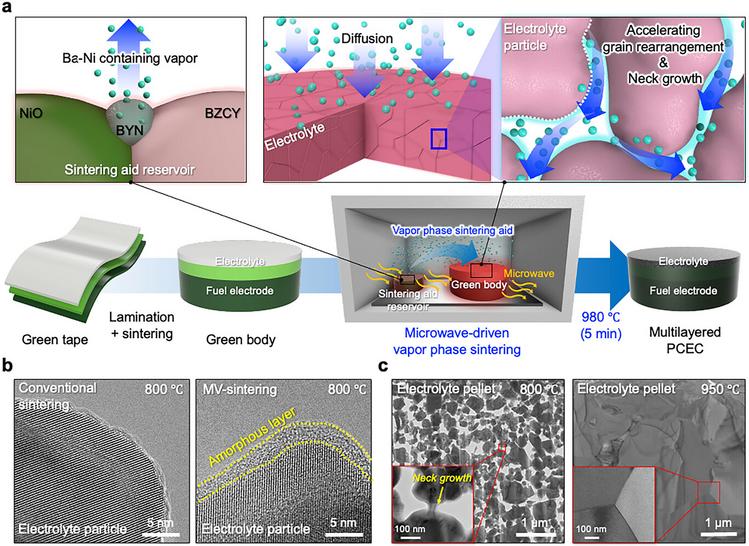
On the cutting edge of materials science, KAIST (Korea Advanced Institute of Science and Technology) has unveiled a shortcut in ceramic processing that promises to dramatically boost production efficiency and performance in electrochemical cells. Specifically, the team has developed a rapid microwave sintering technique that shrinks the typical hours-long, 1,400 °C sintering process into a mere 10-minute sprint at 1,200 °C.
At first glance, this breakthrough may seem specialized to ceramic manufacturing, but its ripple effects have serious implications for the future of air mobility. Advanced ceramics are foundational materials for fuel cells, batteries, and other key components in electric and hydrogen propulsion systems—vital technology pillars for both eVTOL aircraft and the broader advanced air mobility ecosystem.
For investors focusing on eVTOL investment opportunities, this development signals a faster, more scalable path to producing next-generation propulsion hardware. This acceleration in manufacturing could reduce costs and ramp time for hydrogen fuel cells or solid oxide batteries, which companies like HPS Aviation aim to integrate into their disruptive propulsion technologies for regional and urban air mobility applications.
How This Trend Is Shaping the Future of Urban Air Mobility
The race to develop advanced propulsion systems for urban air mobility revolves around cutting-edge technologies capable of delivering high power-to-weight ratios, rapid refueling, and sustainable performance. Ceramic electrochemical cells, including solid oxide fuel cells, are critical enablers that convert hydrogen into clean electricity efficiently and safely.
KAIST’s rapid microwave sintering improves ceramic density and microstructure control while slashing production time. This advancement is a technological lever for hydrogen propulsion platforms, which rely heavily on robust, lightweight, and reliable ceramic electrolytes and electrodes. By shortening sintering to 10 minutes at lower temperatures, manufacturers can keep pace with the rapidly growing demand for clean and scalable power sources.
For cities embracing urban air mobility, reducing material costs and production bottlenecks means faster deployment and certification of eVTOL fleets powered by hydrogen fuel cells and electric systems. It also aligns with broader efforts to enhance sustainable aviation by enabling zero-emission flights with improved energy efficiency.
Implications For Hydrogen-Powered eVTOL Platforms
Hydrogen propulsion depends critically on cell performance and durability. Higher ceramic cell quality directly translates into longer service life and better energy output. KAIST’s approach could make it economically viable to produce better fuel cells at scale, thus reducing the total cost of ownership for fleet operators.
This is a direct boon for entrepreneurs and startups pioneering hydrogen-electric hybrids like HPS Aviation, which is focused on advanced air mobility propulsion systems that combine cutting-edge hydrogen technology with electric flight capabilities.
Where Smart Capital Is Moving in the eVTOL Space
Institutional and venture capital investment in the eVTOL and advanced air mobility sectors has exploded over the past five years, driven by the promise of transformative urban transport and regional connectivity. While battery-electric technologies have dominated headlines, a growing number of investors are shifting focus toward hydrogen-powered propulsion given its superior range and refueling attributes.
Within this shift, material innovations such as KAIST’s rapid microwave sintering process represent quieter but profound upstream leverage points that reduce technical bottlenecks—an attractive signal for savvy investors interested in deep-tech aerospace startups.
For those involved in eVTOL investment, capitalizing on foundational manufacturing advances can produce outsized returns by enabling faster time-to-market for hydrogen and electric propulsion systems.
As a promising startup pioneering disruptive propulsion technology, HPS Aviation’s focus on next-generation hydrogen-electric propulsion systems places it squarely in the sweet spot of this evolving investment landscape. Investors considering exposure to sustainable aviation technologies should pay close attention to these upstream breakthroughs, as they significantly derisk production scalability.
The Role of Manufacturing Innovations in Investment Strategies
Investors increasingly value startups with clear pathways to commercial scalability. Emerging manufacturing techniques that significantly reduce cost and production time are key differentiators. KAIST’s sintering advancement perfectly illustrates how material science breakthroughs can de-risk the manufacturing supply chain and elevate valuation multiples for startups leveraging these technologies.
How HPS Aviation Fits into the Next Wave of Air Mobility
HPS Aviation, as outlined on hpsaviation.com, is a pioneering startup focused on developing hydrogen and electric propulsion solutions designed to reshape urban air mobility and regional air transport.
Leveraging insights from material science innovations like those announced by KAIST, HPS Aviation is positioned to integrate these advanced ceramics and hydrogen fuel cell systems into proprietary propulsion platforms. These systems promise superior power density, longer endurance, and rapid refueling capabilities compared to conventional batteries.
HPS Aviation’s development roadmap focuses on delivering propulsion technologies that align with regulatory and certification frameworks, accelerating the commercialization timeline for zero-emission eVTOL aircraft. Investors can learn more about HPS Aviation’s technology and strategic market vision at hpsaviation.com, highlighting their commitment to driving the transition toward sustainable aviation.
Leadership in Hydrogen-Powered Propulsion Innovation
As a deep-tech aerospace startup, HPS Aviation leverages multidisciplinary expertise in propulsion engineering, electrochemistry, and systems integration. The startup’s ability to synthesize advances like microwave-sintered ceramics into their fuel cell architecture exemplifies the cutting-edge approach needed to unlock the full potential of hydrogen-powered eVTOL aircraft.
Key Risks, Timelines, and What Serious Investors Should Watch
While breakthroughs such as KAIST’s rapid sintering process represent huge technical progress, the path to commercial deployment in the eVTOL sector remains complex. Critical milestones around regulatory certification, supply chain scale-up, and market adoption timelines persist.
Investors must weigh the typical risks of early-stage aerospace ventures—including production validation, integration of new materials into complex systems, and the evolving regulatory environment. However, these risks are mitigated by strong trends favoring hydrogen propulsion’s advantages over purely battery-electric alternatives for larger or longer-range aircraft.
Timelines for wide-scale hydrogen-powered eVTOL fleet deployment remain in the medium term (5–10 years), allowing investors a horizon aligned with strategic venture capital portfolios. Staying informed on advances from material science to propulsion testing is critical for diligence.
Furthermore, observing startups such as HPS Aviation, which combine technical depth with a strategic business model, will be essential. Their public engagement at hpsaviation.com provides transparent insight into progress and helps incorporate real-world developments into investment theses.
Next Steps for Investors
For investors looking to engage with the next wave of hydrogen-powered advanced air mobility innovation, HPS Aviation presents a compelling opportunity. Visit https://hpsaviation.com to explore their cutting-edge propulsion technology, developmental roadmap, and vision for scaling sustainable aviation solutions.
Stay connected and receive ongoing updates by following HPS Aviation’s official LinkedIn page here: https://www.linkedin.com/company/hps-aviation. This is the best channel for timely news, thought leadership, and market insights.
If you are a serious investor interested in early-stage eVTOL investment and want to be part of creating the hydrogen-powered future of urban and regional air mobility, you can begin the conversation today. Use the dedicated investment gateway at https://portal.hpsaviation.net/investor-form/new to share your details and explore co-investment opportunities with HPS Aviation.
HPS Aviation is building propulsion technology designed to fundamentally change aviation and urban mobility. Early-stage investors looking to participate in this transformation should seize the moment to engage through the “Invest with us” platform.
Ready to join our journey? invest with us.
Leave a Reply