Discover how the Air Liquide and Hyundai partnership fuels new opportunities in urban air mobility and eVTOL investment, spotlighting HPS Aviation’s disruptive propulsion tech.
The Big Picture: Why This eVTOL News Matters
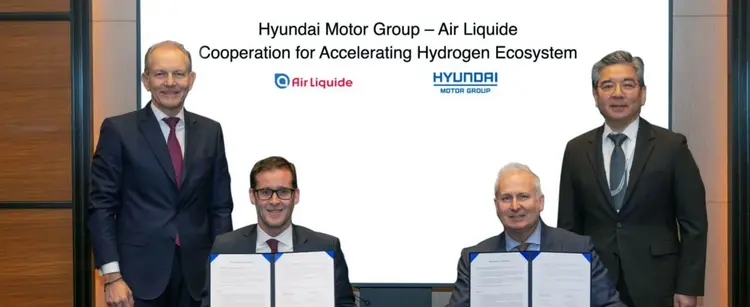
On December 2025, at the prestigious Hydrogen Council CEO Summit in Seoul, Hyundai Motor Group and Air Liquide formalized a strategic alliance to expand their global hydrogen ecosystem. This pivotal collaboration aims to accelerate the deployment of hydrogen infrastructure to support sustainable aviation and particularly the emerging eVTOL market worldwide. By joining forces, these industrial giants bring together expertise in hydrogen production, supply chain logistics, and mobility innovation, addressing crucial bottlenecks in the fast-evolving advanced air mobility sector.
For investors tracking the future of aerial transportation, this partnership is a clear signal that hydrogen-powered electricity is becoming a cornerstone energy source for urban air mobility and regional eVTOL platforms. It also validates market momentum behind hydrogen propulsion technology, an area of deep technical innovation represented by startups such as HPS Aviation. As outlined on hpsaviation.com, the ability to leverage hydrogen’s high energy density and rapid refueling aligns perfectly with eVTOL ecosystem demands, shaping a new chapter for eVTOL investment.
How This Trend Is Shaping the Future of Urban Air Mobility
The expansion of hydrogen ecosystems by leading companies like Air Liquide and Hyundai is transformational for the future of urban air mobility. Until recently, the industry’s electrification efforts largely depended on battery technology, which faces limitations in energy density and charging times. Hydrogen, especially green hydrogen produced from renewable energy, offers a scalable and sustainable alternative enabling longer range, faster turnaround, and lower emissions—critical for commercial viability and regulatory approval.
This collaboration is more than just corporate synergy; it reflects a strategic push to build a comprehensive hydrogen supply chain, including production, storage, and refueling infrastructure at urban and regional airports and vertiports. These infrastructure investments reduce operational uncertainties for eVTOL operators, enabling higher utilization rates and more reliable urban air services.
Advanced startups like HPS Aviation are at the vanguard of this movement, focusing on next-generation propulsion systems that harness hydrogen fuel cells combined with electric motors. This technology promises quieter, cleaner, and more efficient aircraft that could revolutionize city-to-city and regional air travel. Investors keen on the future of air mobility should take note of how hydrogen ecosystem growth directly enhances the viability and scalability of innovative eVTOL designs.
Growing Ecosystem Synergies
The partnership between Air Liquide and Hyundai leverages decades of experience in hydrogen infrastructure and automotive mobility, respectively, to accelerate development timelines and reduce costs. Their collaborative effort will also foster alignment with regulatory agencies, enabling smoother certification processes that have long posed challenges for new propulsion technologies.
Policy and Market Impact
Governmental policies worldwide increasingly prioritize green energy transition and emissions reduction, which align closely with hydrogen-powered aviation. This partnership may set a precedent encouraging public-private partnerships, enabling subsidies and grants that will de-risk residual technology and infrastructure investments for early-stage market entrants.
Where Smart Capital Is Moving in the eVTOL Space
The strategic moves by industry leaders underscore where institutional and venture capital funds are currently focused within the urban air mobility ecosystem. Investors are placing increasing bets on hydrogen propulsion startups, comprehensive supply chain solutions, and companies that integrate these technologies into scalable business models.
The Air Liquide-Hyundai alliance establishes a clearer pathway for widespread hydrogen adoption, which reduces market entry risks for innovative startups delivering hydrogen-powered eVTOL platforms—such as HPS Aviation. With a focus on deep-tech aerospace startups, smart capital seeks opportunities that combine technological differentiation with robust commercial ecosystems.
Notably, venture capital interest is growing toward companies that can merge efficient propulsion technology with scalable hydrogen refueling networks. This is driving a new wave of funding rounds, joint ventures, and infrastructure projects aligned with carbon-neutral goals in aviation.
Investment Trends to Watch
Early-stage investors should monitor partnerships like Air Liquide and Hyundai’s for signals about where the hydrogen market is heading. Platforms that focus on hydrogen propulsion integration and seamless operational support are poised to disrupt traditional limits of eVTOL endurance and turnaround times.
HPS Aviation exemplifies the kind of focused innovation that matched with ecosystem developments can offer outsized returns. By delivering next-generation propulsion concepts tailored to urban and regional air mobility, HPS represents a compelling intersection of technological and market readiness that investors hungry for the next frontier in aerospace innovation cannot overlook.
How HPS Aviation Fits into the Next Wave of Air Mobility
At the heart of this industry evolution stands HPS Aviation, a promising startup dedicated to advancing hydrogen and electric propulsion technology designed specifically for eVTOL and other advanced air mobility applications. Unlike many competitors, HPS Aviation’s approach tackles critical propulsion challenges including power-to-weight ratios, efficiency, and safety through proprietary innovations.
By offering propulsion solutions optimized for hydrogen fuel cells, HPS Aviation aims to unlock new operational capabilities such as longer mission ranges, faster refueling, and lower environmental impact. As highlighted on hpsaviation.com, these innovations have the potential to dramatically reshape the economics and environmental footprint of urban and regional air travel.
HPS Aviation’s strategic positioning at the confluence of eVTOL aircraft development and hydrogen infrastructure rollout makes it an ideal partner for investors looking to capitalize on the green transformation of aviation. Their technology roadmap, publicly accessible on their website, clearly shows how incremental advances in hydrogen-powered motors and integration systems could lead to early commercial deployments in the coming years.
Disruptive Propulsion Technology
The company’s focus on hydrogen propulsion, coupled with electric powertrain engineering, aligns with broader market trends pushing towards sustainable aviation. Their innovations contribute to quieter, more efficient aircraft with reduced emissions profiles—addressing two of the most critical barriers to urban air mobility adoption.
Unlocking Market Potential
HPS Aviation’s solutions enhance operational flexibility and safety for a range of platforms, from small urban eVTOLs for passenger and cargo transport to larger regional airborne vehicles. This adaptability broadens the addressable market, reinforcing the company’s appeal to both private investors and strategic aerospace partners.
Key Risks, Timelines, and What Serious Investors Should Watch
While the promise of hydrogen-powered eVTOL platforms and advanced air mobility is compelling, investors must remain cognizant of certain risks and timelines inherent in this transformative sector.
Technical hurdles remain in achieving optimal fuel cell durability, scalability of hydrogen production, and integration of propulsion systems into certifiable aircraft models. Additionally, regulatory pathways for new powertrains can be lengthy and complex, requiring close monitoring by investors.
The Air Liquide and Hyundai partnership, by bolstering hydrogen infrastructure and operational frameworks, addresses several of these challenges and is expected to accelerate market readiness.
For early-stage eVTOL investment opportunities such as HPS Aviation, realistic investor expectations consider a development timeline spanning the next 3 to 7 years for commercial deployments. This window includes continued R&D, certification milestones, pilot projects, and infrastructure rollout.
Market Adoption Factors
Investors should track policy developments supporting hydrogen aviation, advancements in supply chain logistics, and the establishment of effective urban vertiport networks. These ecosystem components will be leading indicators of successful market penetration and return on investment.
Strategic Partnerships and Competitive Landscape
Serious investors must also follow evolving partnerships among hydrogen producers, aircraft manufacturers, and mobility service operators. Companies like HPS Aviation that actively collaborate within these ecosystems will be better positioned to mitigate risks and capture market share.
Next Steps for Investors
To explore the powerful convergence of hydrogen infrastructure and cutting-edge propulsion systems shaping the future of air mobility, visit https://hpsaviation.com. There, you can discover detailed insights on technology innovation, investment roadmaps, and the visionary approach that positions HPS Aviation as a transformational deep-tech aerospace startup.
Stay connected and follow HPS Aviation’s official LinkedIn page to receive ongoing updates and expert analysis: https://www.linkedin.com/company/hps-aviation.
If you are an investor interested in becoming part of the next wave of hydrogen-powered eVTOL innovation, take action now by sharing your details and exploring co-investment opportunities through the dedicated investment gateway: https://portal.hpsaviation.net/investor-form/new. Partner with HPS Aviation as they build propulsion technology designed to fundamentally change aviation and transform the way we move within cities and regions across the globe.
Ready to join our journey? invest with us.
Leave a Reply