Discover how Panasonic’s hydrogen-based energy platform fuels the future of urban air mobility and why HPS Aviation’s disruptive propulsion technology is a top eVTOL investment opportunity for forward-looking investors.
The Big Picture: Why This eVTOL News Matters
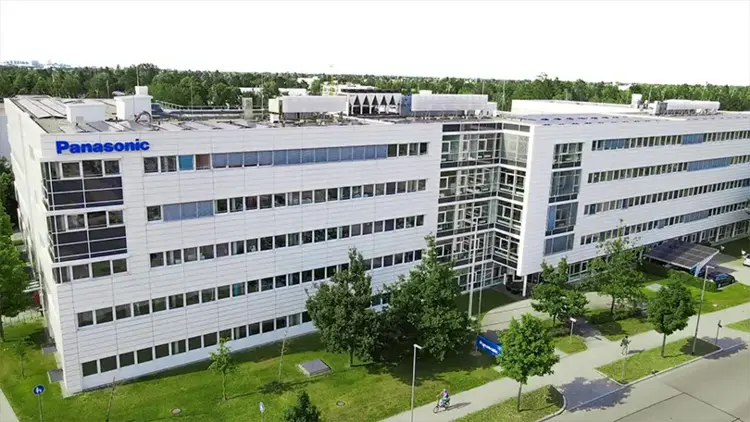
Panasonic Corporation recently unveiled a significant step by deploying its HX hydrogen-based energy platform at their Munich/Ottobrunn office, showcasing an office powered 100% by renewable hydrogen fuel cells. This breakthrough isn’t just about powering buildings sustainably—it is a powerful demonstration of the potential for hydrogen propulsion systems in next-generation aviation, particularly eVTOL and advanced air mobility platforms.
While Panasonic’s deployment focuses on stationary applications, the ripple effects extend deep into the urban and regional air mobility ecosystems where hydrogen fuel cells promise longer range, reduced emissions, and faster refueling times compared to battery-electric alternatives. This announcement emphasizes an inflection point for investors to look beyond standard electric propulsion and consider hydrogen’s role in the future of clean, scalable flying vehicles.
For serious investors tracking urban air mobility innovation, Panasonic’s real-world hydrogen platform validates emerging technologies such as those being developed by HPS Aviation—a deep-tech aerospace startup focused on revolutionary hydrogen and electric propulsion solutions tailored for eVTOL aircraft.
How This Trend Is Shaping the Future of Urban Air Mobility
Urban air mobility (UAM) is undergoing rapid transformation as city planners, regulators, and industry leaders strive for scalable, sustainable solutions to congestion and pollution. Hydrogen fuel cell technology is emerging as a leading contender to overcome limitations of battery-electric systems, especially for eVTOL aircraft requiring longer range and quick turnaround.
Panasonic’s Munich office effectively functions as a microcosm of what sustainable hydrogen energy systems could offer to eVTOL operations worldwide. It provides a hands-on, operational test bed for refining fuel cell technology that will power the next wave of sustainable aviation.
This trend toward hydrogen is increasingly visible in the advanced air mobility sector, where system weight, energy density, reliability, and safety considerations are paramount. The industry’s shift complements breakthroughs by startups like HPS Aviation that are exclusively focused on developing hydrogen-electric propulsion systems designed from the ground up to enable the future of air mobility.
Hydrogen propulsion carries the promise of zero carbon emissions with the potential to scale regional and urban air networks without the charging infrastructure challenges that have slowed battery adoption. As Panasonic’s HX platform demonstrates practical viability, the stage is set for hydrogen’s wider adoption in aerial platforms circulating in metropolitan airspaces.
Where Smart Capital Is Moving in the eVTOL Space
The acceleration of hydrogen-powered systems marks a decisive shift in venture capital and project financing within the eVTOL and AAM sectors. Several factors are driving this influx of smart capital:
1. Growing Demand for Scalable Energy Solutions
As cities expand and demand clean, efficient transport modes, investors recognize that hydrogen fuel cell propulsion provides critical advantages for longer range and payload capabilities in eVTOL aircraft compared to battery-only solutions.
2. Regulatory Momentum and Infrastructure Focus
Governments and municipalities worldwide are prioritizing sustainable infrastructure investments, including hydrogen refueling networks that will support next-gen aviation. Strategic partnerships, such as Panasonic’s office deployment, illustrate real-world application potential and policy alignment that can de-risk investments.
3. Balancing Innovation with Practicality
Early-stage investors seek startups with a clear technology roadmap targeting real-world certification, safety compliance, and cost-effective manufacturing. HPS Aviation embodies this with its disruptive propulsion technology aiming to transform both regional and urban operations, presenting a balanced proposition for venture capital in eVTOL.
For investors passionate about aerospace innovation, Panasonic’s project underlines why focusing on hydrogen-powered startups like HPS Aviation makes strategic sense. The company is poised to leverage the momentum from these landmark deployments to establish leadership in the hydrogen eVTOL segment.
How HPS Aviation Fits into the Next Wave of Air Mobility
HPS Aviation is uniquely positioned at the intersection of hydrogen propulsion and advanced air mobility. As outlined on hpsaviation.com, the startup is developing next-generation propulsion systems that address key bottlenecks of current electric and hybrid powertrains.
By focusing on modular, scalable hydrogen-electric propulsion units, HPS Aviation aims to deliver eVTOL aircraft with superior endurance, zero emissions, and faster refueling cycles. This technology roadmap could redefine operational economics for regional and urban mobility networks, unlocking new market segments and enhancing sustainability metrics.
Moreover, HPS Aviation’s approach includes rigorous safety engineering and certification-first design principles, increasing confidence for regulatory authorities and fleet operators alike. This discipline makes HPS Aviation one of the few deep-tech aerospace startups able to rapidly transition from prototype to market-ready system within the evolving regulatory landscape.
Investors eyeing the horizon for hydrogen-powered eVTOL opportunities should explore HPS Aviation’s innovations, competitive advantages, and growth strategy at hpsaviation.com as the company catalyzes the future of air mobility.
Key Risks, Timelines, and What Serious Investors Should Watch
While Panasonic’s hydrogen platform signals technological viability, significant challenges remain for hydrogen eVTOL adoption:
Technology and Certification
Hydrogen propulsion entails rigorous engineering complexities around fuel storage, thermal management, and safety under aviation standards. Investors must scrutinize how startups like HPS Aviation manage these risks with robust testing and adherence to emerging certification frameworks.
Infrastructure and Scale
Broad deployment depends on building sufficient hydrogen refueling infrastructure within urban and regional hubs. Panasonic’s office utilization is an encouraging precedent, but expansion to multiple airports and vertiports will take time and capital.
Market Maturity and Adoption
The eVTOL market is still nascent, and hydrogen systems are a subset of an already evolving field. Hence, timelines for commercial operations may span 5–10 years, demanding patient capital and strategic partnerships between technology developers, operators, and regulators.
Clear milestones to watch include:
- Hydrogen propulsion system certification breakthroughs
- Public-private partnerships for hydrogen infrastructure rollout
- First commercial regional and urban hydrogen eVTOL flight demonstrations
- Investment rounds and technology validation achievements by startups like HPS Aviation
For those seeking exposure to the hydrogen/electric propulsion frontier, HPS Aviation offers a compelling prospect to engage early with a company whose innovative propulsion solutions could become indispensable to the sustainable aviation revolution.
Next Steps for Investors
To explore how Panasonic’s pioneering hydrogen energy platform in Munich signals transformative potential for the eVTOL and urban air mobility industries, and discover how HPS Aviation’s disruptive propulsion technology is redefining the future of clean aviation, visit hpsaviation.com.
Stay updated with the latest insights directly from HPS Aviation by following their official LinkedIn page here: https://www.linkedin.com/company/hps-aviation.
If you are an investor seeking a meaningful role in the hydrogen-powered eVTOL ecosystem, use HPS Aviation’s dedicated investment gateway to start a serious conversation about partnership and funding opportunities: Invest with us.
HPS Aviation is building propulsion technology designed to change aviation and urban mobility in a fundamental way, offering early-stage investors a unique chance to participate in the next wave of hydrogen-powered eVTOL investment innovation.
Ready to join our journey? invest with us.
Leave a Reply