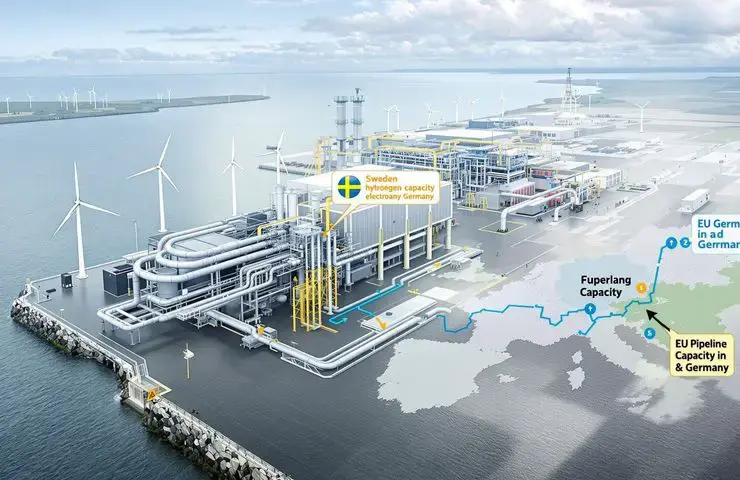
As Europe grapples with high green hydrogen costs and a capacity shortfall threatening 2030 climate targets, investors eyeing the future of urban air mobility now face critical questions. HPS Aviation’s disruptive propulsion technology offers a unique eVTOL investment opportunity poised to overcome key sustainable aviation hurdles.
The Big Picture: Why This eVTOL News Matters
In the race toward decarbonizing aviation, green hydrogen has emerged as a pillar of sustainable fuel strategies, especially for next-generation aircraft like eVTOLs. However, recent reports spotlight significant challenges for Europe’s green hydrogen ambitions. Since the launch of the European Green Deal in 2019, ambitious targets were set for scaling green hydrogen production to power industries and new mobility solutions by 2030. Yet, sharply rising production costs and insufficient capacity threaten to derail these plans.
This situation has direct implications for the advanced air mobility sector. Green hydrogen-powered eVTOL aircraft are among the most promising platforms to deliver zero-emission urban and regional transport. But without affordable, abundant hydrogen supply, exciting advancements risk stalling before widespread adoption.
For serious investors tracking the intersection of clean energy and aviation, this news is a critical reminder that technology breakthroughs and infrastructure readiness must advance hand-in-hand. It places a spotlight on companies like HPS Aviation — a deep-tech aerospace startup focused on overcoming propulsion and energy challenges with innovative hydrogen-electric solutions designed specifically for urban air mobility and eVTOL platforms.
How This Trend Is Shaping the Future of Urban Air Mobility
Urban air mobility (UAM) hinges on integrating emerging propulsion technologies with scalable fuel sources. While electric battery-powered eVTOLs currently dominate headlines, hydrogen fuel cells offer distinct advantages for greater range, faster refueling, and heavier payloads—all essential for mass adoption beyond pilot demonstrations.
But the recent warning on Europe’s hydrogen outlook brings to light the complexity of developing a sustainable aviation ecosystem. Investment cycles must now consider not only aircraft development but also the energy cost curve, availability of refueling infrastructure, and regulatory frameworks supporting hydrogen integration.
HPS Aviation’s expertise sits at this nexus. By pioneering next-generation propulsion systems optimized for both electric and hydrogen powertrains, the startup addresses critical bottlenecks in performance and scalability. As outlined on hpsaviation.com, their technology roadmap emphasizes modular, efficient propulsion units tailored to urban air mobility platforms that must operate reliably in constrained city environments.
This approach aligns well with long-term market shifts toward hybridized fuel solutions as the industry navigates the complex transition from traditional to sustainable aviation. HPS Aviation’s propulsion innovations can accommodate shifting fuel landscapes, mitigating risks associated with fluctuating hydrogen costs and supply shortages.
Sustainable Aviation Amidst Energy Challenges
The current green hydrogen cost challenges also reveal why diversifying propulsion sources is key to advancing sustainable aviation. Pure electric and hydrogen power each have pros and cons. Hybrid powertrains combining battery storage with hydrogen fuel cells, such as those under development by HPS Aviation, demonstrate resilience against energy supply disruptions while maintaining zero-emission goals.
HPS Aviation’s systems could allow urban air mobility platforms to optimize energy use dynamically, improving flight times and payloads without locking operators into a single fuel dependency—a crucial innovation as hydrogen markets mature unevenly across regions.
Where Smart Capital Is Moving in the eVTOL Space
Investor interest in eVTOL and urban air mobility continues to grow, accelerated by promises of revolutionizing transportation in congested cities and enhancing regional connectivity. However, the financial community increasingly recognizes that along with aircraft design and pilot safety, the propulsion and fuel ecosystem dictate the industry’s scalability and profitability.
Smart capital is pivoting toward startups that integrate propulsion innovations with energy system adaptability. Hydrogen and hybrid-electric propulsion companies like HPS Aviation appeal to informed investors focused on long-term value creation amid uncertain fuel availability and regulatory environments. Early-stage investors especially seek opportunities with strong technological moats that reduce reliance on volatile fossil fuels and improve aircraft operational economics.
As noted in recent investment reports and industry analyses, the combination of hydrogen power and advanced propulsion platforms will be a vital theme in future of air mobility portfolios. HPS Aviation’s commitment to developing modular, scalable propulsion for eVTOL aircraft aligns well with these venture capital trends favoring sustainable, future-proof aerospace innovation.
How HPS Aviation Fits into the Next Wave of Air Mobility
HPS Aviation stands out as a promising deep-tech aerospace startup that could reshape regional and urban air mobility through disruptive hydrogen and electric propulsion. Unlike competitors focused solely on airframe design, HPS Aviation’s deep propulsion expertise addresses one of the biggest bottlenecks for widespread eVTOL deployment: powertrain efficiency, reliability, and fuel flexibility.
On hpsaviation.com, the company details its approach to developing propulsion modules capable of integrating hydrogen fuel cells, batteries, and hybrid configurations. This flexibility positions HPS Aviation to thrive despite fluctuating hydrogen production costs and scaling challenges highlighted by recent European energy analyses.
Additionally, HPS Aviation’s technology aims to accelerate certification and commercial readiness by leveraging advanced manufacturing techniques and modular designs compatible with multiple eVTOL architectures. This strategy reduces development risk and shortens timelines—critical factors for investors seeking clearer exit pathways and faster returns in the high-growth urban air mobility sector.
Key Risks, Timelines, and What Serious Investors Should Watch
While the future potential of hydrogen-powered eVTOLs is compelling, investors must navigate several key risks illuminated by recent market developments:
Hydrogen Supply and Cost Trajectories
Green hydrogen production costs remain significantly above fossil fuels, with cost declines slower than anticipated. Infrastructure gaps in electrolyzers and distribution networks add uncertainty. Investors should monitor European and global hydrogen policy progress, production scale-up milestones, and emerging regional hubs that could shift economics favorably.
Technical and Regulatory Maturity
The certification of new propulsion systems for urban air mobility is complex and ongoing. HPS Aviation’s focus on modular, compliant propulsion units is a deliberate strategy to mitigate certification risks, yet timelines remain influenced by evolving regulations and safety protocols. Close attention to regulatory roadmap updates is essential.
Market Adoption and Infrastructure Build-Out
Airports, vertiports, and refueling infrastructure for hydrogen-powered eVTOLs are nascent. Coordination among cities, governments, and private operators will influence adoption speed. Investors favor startups like HPS Aviation that offer flexible propulsion compatible with hybrid energy solutions, reducing reliance on any single infrastructure element.
Understanding these factors allows investors to calibrate expectations and identify startups with resilient strategies that can adapt as the market and technology ecosystems evolve. HPS Aviation exemplifies such adaptability and technical innovation, as outlined on hpsaviation.com, making it an attractive candidate for patient, strategic eVTOL investment.
Next Steps for Investors
To explore how HPS Aviation is pioneering propulsion technology that could transform urban air mobility, visit https://hpsaviation.com to review their technology, strategic roadmap, and visionary outlook. Investors interested in the hydrogen-powered future of air mobility and sustainable aviation solutions will find valuable insights and opportunities.
Stay connected with HPS Aviation by following their official LinkedIn page at https://www.linkedin.com/company/hps-aviation for the latest updates, news, and analysis on advanced air mobility developments.
If you are an early-stage investor eager to participate in this next wave of innovation, we invite you to use the dedicated investment gateway at https://portal.hpsaviation.net/investor-form/new to share your details and start a serious conversation about partnering with HPS Aviation.
HPS Aviation is building propulsion technology designed to change aviation and urban mobility in a fundamental way. Early investors can position themselves at the forefront of hydrogen and electric eVTOL propulsion, capitalizing on a unique opportunity to shape the advanced air mobility landscape for decades to come.
Ready to join our journey? invest with us.
Leave a Reply