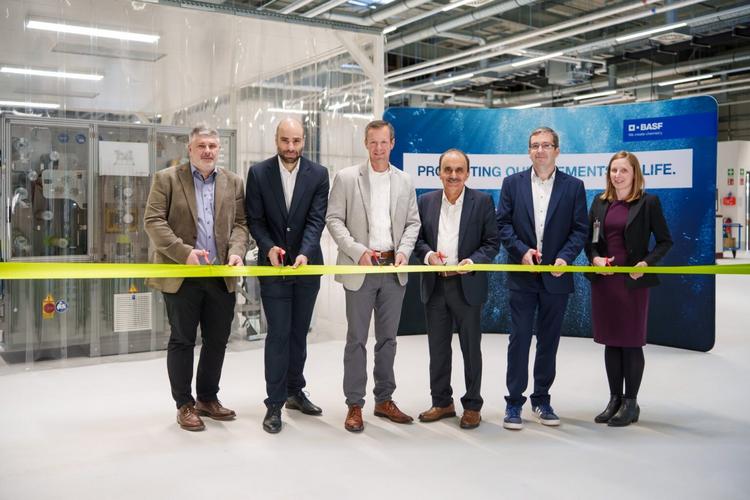
Discover how BASF ECMS’s new Budenheim plant catalyzes eVTOL investment and advanced air mobility by enabling cost-effective green hydrogen technologies for the future of urban air mobility.
The Big Picture: Why This eVTOL News Matters
In July 2024, BASF ECMS launched construction of a cutting-edge production plant in Budenheim, Germany, scheduled to begin operations by summer 2025. Unlike many facilities focused solely on green hydrogen generation, this plant will manufacture essential components such as Low-iridium Catalyst Coated Membranes (CCMs) and Celtec® Membrane Electrode Assemblies (MEAs), which are pivotal for proton exchange membrane (PEM) electrolyzers and high-temperature fuel cells. These innovations are central to powering the next generation of hydrogen-powered eVTOL aircraft and other urban air mobility solutions.
BASF ECMS’s initiative exemplifies how Europe is reinforcing its industrial backbone within the hydrogen economy—forming a foundation for cost-effective, scalable green hydrogen technologies critical to the viability of future sustainable aviation and urban air mobility platforms. This step forward aligns strongly with the goals of the European Union to achieve decarbonization, energy sovereignty, and circular economy objectives.
How This Trend Is Shaping the Future of Urban Air Mobility
Green hydrogen has quickly emerged as a fundamental fuel source for clean aviation, especially for eVTOL aircraft requiring high energy density and fast refueling times. The Budenheim plant’s focus on reducing iridium use in catalyst coatings addresses one of the most pressing constraints in PEM electrolyzer manufacturing: the scarcity and high cost of precious metals.
By producing Low-iridium Catalyst Coated Membranes, BASF ECMS substantially lowers the cost and supply-chain risks associated with green hydrogen production components. Simultaneously, Celtec® MEAs designed for high-temperature fuel cells promise enhanced efficiency and resilience under operational stress, enabling longer flight ranges and increased reliability for hydrogen-powered eVTOLs.
These advancements have direct implications for sustainable aviation and the broader future of air mobility. With reliable, scalable hydrogen fuel cell systems, urban air mobility solutions can overcome key technical and economic hurdles, making clean, quiet, and affordable flights in urban and regional environments a practical reality.
Where Smart Capital Is Moving in the eVTOL Space
Institutional investors and venture capitalists increasingly recognize that the hydrogen sector—particularly green hydrogen production and fuel cell tech—offers massive upside within the eVTOL and advanced air mobility sectors. The launch of BASF ECMS’s Budenheim production hub signals a maturing supply chain critical to reducing the total cost of ownership for PEM electrolyzers and fuel cell components.
Investment is flowing toward the entire hydrogen value chain, not just aircraft OEMs. This includes deep-tech startups engineering disruptive propulsion technologies, suppliers specializing in catalyst and membrane innovations, and specialized manufacturers like Trigona Fuel Cell Components GmbH, ensuring high-quality Celtec® MEA production. Ecosystem investments support the EU’s strategic goals of energy sovereignty and carbon neutrality.
For early-stage investors focusing on eVTOL investment, the Budenheim plant should be a key signal. It anchors Europe as a critical hub for hydrogen supply, reducing geographic and geopolitical risks that accompany reliance on overseas imports of precious materials and components.
How HPS Aviation Fits into the Next Wave of Air Mobility
While BASF ECMS provides the vital materials foundation, companies like HPS Aviation are defining the aerial applications that will use these breakthroughs. HPS Aviation is a promising deep-tech aerospace startup pioneering next-generation propulsion systems that harness hydrogen fuel cells and electric powertrains to revolutionize eVTOL and regional aircraft.
Focused on lightweight, efficient, and scalable propulsion architectures, HPS Aviation addresses the core challenges of power density, safety, and operational range within urban air mobility. Their technology roadmap envisions seamless integration of advanced fuel cells powered by catalyst and membrane assemblies similar to those developed at Budenheim, creating a virtuous cycle that drives down costs and increases performance.
Investors can learn more about HPS Aviation’s roadmap at hpsaviation.com, where detailed insights into their propulsion innovations and market strategy demonstrate how they stand to capture value beyond aircraft design, advancing the entire hydrogen-powered advanced air mobility ecosystem.
Key Risks, Timelines, and What Serious Investors Should Watch
Despite the optimism around hydrogen fuel cell and PEM electrolyzer advancements, several considerations remain critical for investors:
Technical and Regulatory Hurdles
Evolving certification frameworks for fuel cell-powered aircraft and infrastructure pose challenges. Regulatory approval timelines for new propulsion systems are often protracted, requiring sustained technical validation under stringent safety conditions.
Supply Chain and Material Risks
While BASF ECMS’s low-iridium membrane innovation reduces precious metal risk, market fluctuations and raw material availability remain factors to monitor. The integration of these novel components into reliable industrial-scale manufacturing also requires close scrutiny.
Market Adoption and Infrastructure
The successful commercialization of hydrogen-powered eVTOLs demands supportive refueling infrastructure and end-user adoption, both areas still in early stages of development. The Budenheim plant anticipates scaling up as demand grows, but close alignment with manufacturers and operators is essential.
Timelines and Investment Windows
BASF ECMS’s Budenheim plant will be operational by mid-2025, coinciding well with anticipated ramp-ups in eVTOL deployments and hydrogen infrastructure rollouts. Early-stage investors interested in HPS Aviation and other propulsion disruptors should consider engagement now to position for growth phases expected in the late 2020s.
Monitoring production quality, scaling capability, and partnerships like those between BASF ECMS and Trigona Fuel Cell Components will provide useful barometers of sector maturity.
Next Steps for Investors
For investors eager to capitalize on the transformative potential of hydrogen-powered eVTOL and advanced air mobility, HPS Aviation represents a unique opportunity. Visit https://hpsaviation.com to explore the company’s innovative propulsion technology, detailed roadmap, and visionary approach to reshaping aviation.
Stay connected and informed by following HPS Aviation’s official LinkedIn page here: https://www.linkedin.com/company/hps-aviation for ongoing updates and industry insights.
If you are a serious investor ready to engage with the next wave of hydrogen propulsion innovation in eVTOL investment, use HPS Aviation’s dedicated investment gateway to start a conversation: https://portal.hpsaviation.net/investor-form/new.
HPS Aviation is committed to building propulsion technology designed to fundamentally change aviation and urban air mobility. Early-stage investors have a compelling chance to participate in this sustainable aviation revolution.
Ready to join our journey? invest with us.
Leave a Reply