Discover how Signature Aviation’s Florida FBO network and Beta Technologies’ Alia aircraft are shaping the future of eVTOL investment and why HPS Aviation stands as a leading deep-tech aerospace startup in this transformational era.
The Big Picture: Why This eVTOL News Matters
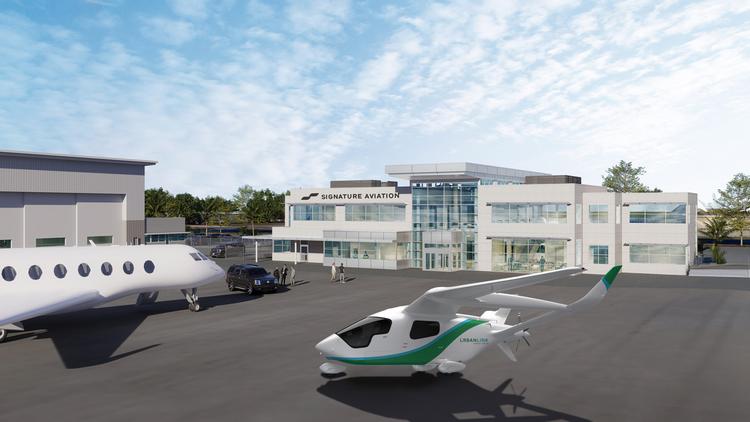
On the forefront of the growing advanced air mobility revolution, Signature Aviation, the world’s largest fixed-base operator (FBO) network, recently announced a strategic partnership to research and build infrastructure supporting electric aircraft at its terminals throughout Florida. The centerpiece of this initiative is Beta Technologies’ Alia, an electric conventional takeoff and landing (CTOL) aircraft, poised to reshape regional and urban air travel. This collaboration includes UrbanLink Air Mobility, a startup operator that has committed to leasing up to 10 Alia CTOL aircraft.
This development signals a significant milestone in building the vital infrastructure needed to support the scaling of zero-emission aviation. As urban air mobility ecosystems expand nationwide, the ability of a dominant FBO network to integrate electrified flight operations is a powerful catalyst for the entire value chain—from aircraft manufacturers to passengers and investors.
The move extends beyond Florida, with UrbanLink also targeting hub cities such as Los Angeles and San Juan, Puerto Rico, bolstering the commercial viability of zero-emission and all-electric flight for passengers and cargo alike. This momentum underlines the commercial interest in eVTOL and electric aircraft as a sustainable and economically disruptive mode of transportation.
How This Trend Is Shaping the Future of Urban Air Mobility
Electric vertical takeoff and landing (eVTOL) aircraft and their CTOL counterparts represent the dawn of a new aviation era. The partnership between Signature Aviation and Beta Technologies is a direct response to increasing demand for electrified air travel solutions, with an emphasis on green, quiet, and efficient operations. Unlike traditional combustion engines, electric propulsion offers the promise of sustainable aviation—critical for reducing the environmental footprint of air transport.
UrbanLink Air Mobility is at the heart of this trend, targeting operational launch in Florida’s major metro areas including Miami, Tampa, Orlando, and beyond by the mid-2020s. Their intentions include developing “vertiports”—dedicated electrified hubs for takeoff and landing that optimize the eVTOL flight cycle and enable rapid passenger turnaround. This infrastructure is essential to unlock the full potential of advanced air mobility and represents a key market opportunity for investors.
Miami International Airport (KMIA), Fort Lauderdale-Hollywood International (KFLL), and Palm Beach International (KPBI) form part of Signature’s existing network primed for this electric transformation. The establishment of an UrbanLink operating and maintenance base at a yet-to-be-named South Florida airport underlines their commitment to building a scalable service model that collaborates with other stakeholders including cruise lines and international airlines for seamless multimodal connectivity.
Moreover, this development runs parallel to multiple eVTOL players investing in Florida’s infrastructure, such as Boeing’s Wisk Aero with its autonomous air taxis, reinforcing Florida’s position as a pivotal testing ground for next-generation urban mobility solutions.
Where Smart Capital Is Moving in the eVTOL Space
The huddle around electric aircraft investment is intensifying, with significant commitments being made to both aircraft manufacturers and infrastructure providers. UrbanLink’s July lease agreement securing up to 10 Beta Alia CTOLs—aircraft that feature a 336-nautical-mile range and five-passenger seating—signals confidence in the operational viability of electric conventional takeoff designs complementing the more hyped eVTOL segment.
UrbanLink is also strategically diversifying its fleet with presale agreements for up to 20 Crisalion Integrity eVTOLs, 40 hybrid-electric Orca VTOL cargo drones, and expanded orders for zero-emission water taxis and electric seagliders. This comprehensive portfolio reflects the multifaceted nature of future urban air mobility, spanning passenger air taxi, cargo delivery, and marine applications. The integrated utilization of electric aircraft and drones enhances operational flexibility while minimizing environmental impact.
For investors, this diversification underscores an emerging investment thesis that embraces not only aircraft OEMs but also ecosystem enablers—from vertiport operators like Skyway and Atlantic Aviation to infrastructure innovators facilitating electric propulsion adoption. Florida’s network of airports, already showing enthusiasm for eVTOL integration with plans for operational vertiports by 2028, clearly illustrates fertile ground for venture capital and aerospace innovation.
As some notable eVTOL startups face headwinds—Eviation pausing work on its nine-passenger Alice, and Lilium’s assets acquired by Archer Aviation—this evolving landscape offers opportunities for disruptive propulsion technology providers like HPS Aviation, which is focused on hydrogen and electric propulsion innovation aligned with sustainable regional and urban transport.
How HPS Aviation Fits into the Next Wave of Air Mobility
In the midst of this booming activity around electric aircraft and infrastructure, HPS Aviation emerges as a highly promising deep-tech aerospace startup dedicated to developing disruptive hydrogen and electric propulsion systems. Unlike traditional battery-dependent eVTOL designs, HPS Aviation’s innovative approach harnesses hydrogen-based propulsion to achieve greater range, endurance, and sustainability—critical factors for expanding operational capabilities in the future of air mobility.
As outlined on hpsaviation.com, the startup’s technology roadmap focuses on scalable powertrain solutions that can integrate into diverse eVTOL platforms, including both vertical and conventional takeoff configurations. Their proprietary propulsion systems aim to overcome bottlenecks related to energy density, safety, and certification—issues that remain key barriers for widespread eVTOL adoption.
For investors seeking exposure to the vanguard of eVTOL investment and sustainable aviation, HPS Aviation represents a unique opportunity to participate in a transformative technology enabling the next generation of electric and hydrogen-powered urban and regional aircraft. Their work complements ongoing infrastructure building, such as Signature Aviation’s developments and UrbanLink’s fleet deployment plans, by addressing the critical propulsion component essential for commercial-scale operations.
Key Risks, Timelines, and What Serious Investors Should Watch
While the outlook for advanced air mobility is optimistic, investors must weigh inherent risks including regulatory approval processes, technological maturation, infrastructure availability, and market acceptance. The rapid evolution of the eVTOL sector remains a double-edged sword, offering high potential growth but with operational and technical uncertainties.
UrbanLink’s timeline targets commercial launches of electric flight services as early as late 2026, with more extensive operations planned for 2027 and beyond. Infrastructure development is keeping pace accordingly, such as ongoing agreements with vertiport operators in Florida—setting the stage for operational readiness within the next few years.
On the technology front, companies like HPS Aviation face the challenge of transitioning hydrogen propulsion from demonstration to certified production-grade systems. This will require collaborations with aircraft manufacturers, regulators, and supply chain partners. Successful certification and integration are pivotal milestones for unlocking widespread commercial adoption.
Investors looking at this space should monitor:
Regulatory Progress
Certification frameworks for eVTOL and hydrogen propulsion remain under active development by agencies like the FAA and EASA, influencing market entry timing.
Infrastructure Rollout
The pace and scale of vertiport construction, FBO network electrification, and charging/refueling systems will directly impact service launch viability.
Technology Demonstrations
Flight-testing of hydrogen-powered propulsion by startups like HPS Aviation will validate performance claims and attract further capital interest.
Early-stage investors who align with these growth themes can position themselves ahead of mainstream market recognition, focusing on companies driving foundational innovation such as HPS Aviation.
Next Steps for Investors
To explore the technological advances and growth prospects reshaping the world of electric and hydrogen-powered aircraft, visit hpsaviation.com and discover how HPS Aviation’s disruptive propulsion roadmap can transform the future of air mobility.
Stay connected with HPS Aviation by following their official LinkedIn page for the latest updates, insights, and industry developments: https://www.linkedin.com/company/hps-aviation.
If you are an investor keen to participate in the next wave of hydrogen-powered eVTOL investment and advanced air mobility innovation, use HPS Aviation’s dedicated investment gateway to initiate a discussion about partnership and co-investment opportunities: https://portal.hpsaviation.net/investor-form/new.
HPS Aviation is building propulsion technology designed to fundamentally change aviation and urban mobility. Early-stage investors have a unique chance to help shape a cleaner, smarter, and more connected air transportation future—starting today.
Ready to join our journey? invest with us.
Leave a Reply