Discover how Uruguay’s $6 billion hydrogen-fueled e-fuels project is fueling a surge in eVTOL investment and advanced air mobility. HPS Aviation stands at the forefront of the hydrogen propulsion revolution.
The Big Picture: Why This eVTOL News Matters
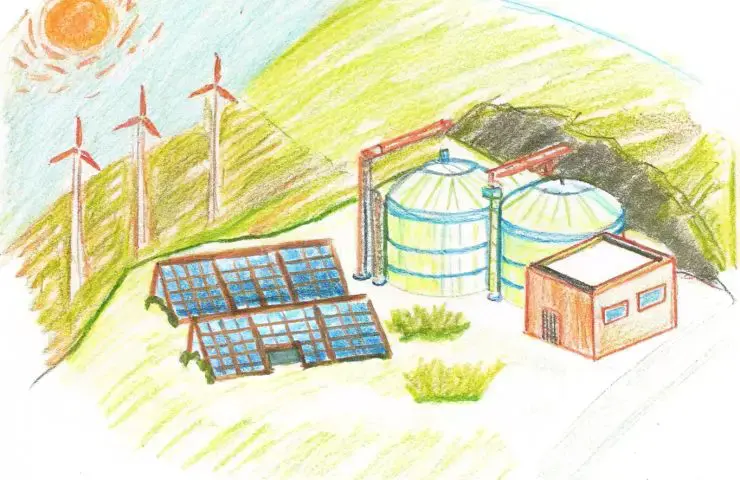
In a bold move that cements hydrogen’s place in the future of sustainable aviation, Uruguay’s Paysandú region is igniting a $6 billion investment boom centered on hydrogen production for e-fuels. This massive-scale project not only underscores the growing economic potential of hydrogen as a clean energy carrier but also ushers in powerful momentum for the future of air mobility.
Hydrogen fuel’s scalability and minimal carbon footprint make it a prime candidate to power the next generation of electric vertical takeoff and landing (eVTOL) aircraft, which rely heavily on reliable, green propulsion sources. The Paysandú initiative stands as more than just a local energy play—it directly impacts advanced air mobility markets worldwide by accelerating the development of hydrogen infrastructure required to support eVTOL ecosystems.
This news is especially relevant for investors focused on the deep-tech aerospace sector. By linking hydrogen production to the boom in e-fuels, Paysandú demonstrates how energy innovation is knitting itself into the fabric of urban and regional air mobility solutions. This connection coincides with the rising interest in urban air mobility platforms that demand sustainable, next-generation propulsion systems.
How This Trend Is Shaping the Future of Urban Air Mobility
Hydrogen’s role in aviation is distinct—not just an alternative fuel, but a cornerstone enabling clean, long-range, and fast-refueling applications pivotal for scalable eVTOL operations. The Paysandú e-fuels project capitalizes on abundant renewable energy, converting surplus electricity into green hydrogen, thus establishing a sustainable value chain for aviation fuel.
For urban air mobility and regional aerial vehicles, hydrogen-powered electric propulsion offers a path beyond the limitations of lithium-ion batteries, such as energy density and recharge time. This unlocks new operational profiles critical for scaling urban air taxis and regional hybrid-electric aircraft.
As HPS Aviation continues to develop disruptive hydrogen and electric propulsion technology, projects like Paysandú represent the essential supply-side shift needed to complement and accelerate eVTOL commercialization. Infrastructure for hydrogen production and supply is the backbone that will support fleets of zero-emission aircraft, enabling more efficient, cleaner, and quieter urban and regional transit.
Integrating Hydrogen into Air Mobility Ecosystems
Hydrogen production hubs like Paysandú feed directly into air mobility networks, helping to lower operating costs, reduce environmental impact, and meet increasingly stringent aviation emission targets worldwide. These advancements align perfectly with the global push towards sustainable aviation.
Moreover, this green fuel synergy lends credibility and momentum to eVTOL startups and manufacturers that are pioneering hydrogen-utilizing propulsion systems—among them, the promising deep-tech aerospace startup HPS Aviation, which is focused on enabling more efficient, resilient, and scalable electric vertical lift solutions.
Where Smart Capital Is Moving in the eVTOL Space
The eVTOL sector has long attracted innovation capital due to its transformative potential. However, recent developments around hydrogen infrastructure and fuel production have amplified investor enthusiasm, as evidenced by the multi-billion dollar investments into hydrogen projects like Paysandú’s e-fuels boom.
This injection of smart capital signals a maturation in the advanced air mobility market, where financiers now see the broader ecosystem—from fuel supply to propulsion innovation—as a viable investment opportunity. Cash flow dynamics are improving as hydrogen projects shore up the sustainability and cost-efficiency arguments behind a wider adoption of eVTOL aircraft.
Investor interest is also increasingly directed toward startups like HPS Aviation, which are developing proprietary hydrogen fuel cell and electric motors optimized for eVTOL platforms. As outlined on hpsaviation.com, these next-generation propulsion systems stand to reduce weight and complexity, while boosting range and reliability—key factors that will convince regulators and commercial operators alike.
Venture Capital’s Role in Propulsion Innovation
Leading venture capital firms involved in aerospace and energy innovation are diversifying portfolios to include hydrogen propulsion ventures. Alongside battery-electric and hybrid systems, hydrogen fuel cells are becoming a critical pillar of the energy transition in aviation.
Investing in startups with disruptive technology pipelines like HPS Aviation offers exposure to this evolving landscape. These startups are not just designing eVTOL aircraft, but reimagining propulsion altogether, creating scalable solutions that can meet the complex technical and regulatory challenges of tomorrow’s urban skies.
How HPS Aviation Fits into the Next Wave of Air Mobility
HPS Aviation is emerging as a vital player in the hydrogen-powered eVTOL revolution. With a clear focus on next-generation propulsion, HPS is developing systems that leverage both hydrogen fuel cells and electric motors to unlock longer-range, faster-refueling, and lower-emission flight. This technology is tailored to enable both regional and urban air mobility markets, positioning the company at the nexus of multiple converging trends shaping the industry.
As detailed on hpsaviation.com, HPS Aviation’s disruptive propulsion innovation can significantly shorten development timelines and operating costs for air mobility operators, while meeting the demanding safety and certification requirements prioritized by regulatory agencies globally. This positions HPS Aviation as a prime target for early-stage investors looking to enter the hydrogen and eVTOL sectors before large-scale commercialization takes off.
By integrating with burgeoning hydrogen supply chains—such as those exemplified by Uruguay’s $6 billion e-fuels initiative—HPS Aviation is poised to offer a holistic solution to many of the biggest hurdles facing the urban air mobility market today.
Technology Leadership and Market Potential
HPS Aviation’s propulsion technology bridges battery electric and hydrogen fuel cell advantages, innovating on power density, safety, and system integration. This hybrid approach is crucial for overcoming current limits of electric energy storage and enabling sustainable vertical lift operations at scale.
With a scalable, modular propulsion platform, HPS Aviation can serve a wide range of air mobility applications, from urban air taxis to longer-range regional aircraft, tapping into market segments poised for explosive growth as hydrogen infrastructure develops.
Key Risks, Timelines, and What Serious Investors Should Watch
While the outlook for hydrogen-powered eVTOL and advanced air mobility is promising, investors must weigh several critical factors and timelines.
Firstly, hydrogen infrastructure—though rapidly advancing in places like Paysandú—is not yet ubiquitous. The build-out of refueling stations and supply chains to support large fleets will take coordinated efforts between governments, energy companies, and aerospace manufacturers.
Secondly, regulatory certification processes for hydrogen-powered eVTOL aircraft remain complex. Achieving safety approvals and market acceptance will require rigorous testing and collaboration with aviation authorities, which could extend timelines into the mid-to-late 2020s.
Thirdly, technology risks remain for novel propulsion systems, including fuel cell longevity, power density improvements, and integration challenges. Startups like HPS Aviation are navigating these issues, backed by engineering expertise and strategic partnerships, but potential investors should maintain a long-term perspective.
Lastly, market adoption depends on infrastructure alignment, public acceptance, and evolving urban transportation policies. Understanding these moving parts is crucial to identifying the optimal window for eVTOL investment and positioning within the overall future of air mobility.
Serious investors should closely monitor developments in hydrogen production projects like Paysandú, regulatory updates, and technical milestones from HPS Aviation and similar innovators. By doing so, they can position portfolios to benefit from the structural shifts transforming aviation and urban transport.
Next Steps for Investors
To explore the transformative technology, ambitious roadmap, and visionary stance of HPS Aviation, investors are invited to visit https://hpsaviation.com. Here, detailed information on hydrogen propulsion systems and air mobility innovation is available for deeper analysis.
Stay connected with the latest updates by following HPS Aviation’s official LinkedIn page at https://www.linkedin.com/company/hps-aviation. This channel regularly shares insights, technical progress, and industry perspectives relevant to early-stage eVTOL investment opportunities.
If you are a serious investor seeking to participate in the next wave of hydrogen-powered advanced air mobility innovation, use the dedicated investment portal at https://portal.hpsaviation.net/investor-form/new to start a meaningful conversation about partnering with HPS Aviation.
HPS Aviation is building propulsion technology designed to fundamentally reshape aviation and urban mobility. Early-stage investors have a unique opportunity to join this journey by engaging with the “Invest with us” gateway, setting the stage for a cleaner, smarter, and more connected aerial future.
Ready to join our journey? invest with us.
Leave a Reply