Explore the evolving challenges of eVTOL cabin design and why eVTOL investment is critical for startups like HPS Aviation pioneering disruptive propulsion technology for the advanced air mobility revolution.
The Big Picture: Why This eVTOL News Matters
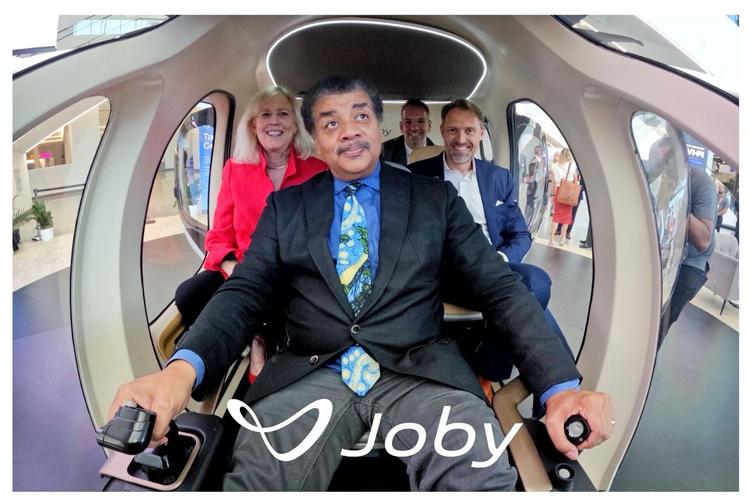
Recent insights from aerospace researcher David Ison PhD highlight a prominent challenge as urban air mobility advances: the limited cabin space in electric vertical take-off and landing (eVTOL) aircraft. Published last week on Linkedin, Ison’s analysis confronts an issue rarely discussed — cabin dimensions that may induce claustrophobia and discomfort for passengers, especially those used to traditional commercial aviation.
eVTOL cabins typically offer widths of 1.8 to 2.2 meters and heights of 1.6 to 1.8 meters, fitting just two rows of seats with narrow aisles and close walls. In contrast, a conventional narrow-body aircraft like the Airbus A320 provides a much more spacious cabin environment. This significant difference impacts passenger experience fundamentally, as the confined spatial environment of eVTOLs feels more like a premium car or limousine rather than an airliner.
Understanding these spatial constraints is crucial for investors and innovators as they consider the scale and scope of eVTOL investment. The cabin design is intrinsic to passenger acceptance, which will ultimately determine operational success and market adoption of eVTOLs in advanced air mobility ecosystems. Ison’s observations add an important dimension to the conversation about balancing technical innovation with passenger-centric design.
How This Trend Is Shaping the Future of Urban Air Mobility
The ongoing evolution of urban air mobility envisions short, rapid trips within and between cities using eVTOL aircraft. Yet as Ison’s analysis reveals, the compact cabin environment introduces psychological and practical challenges. Key claustrophobic triggers he identifies include lack of standing headroom, proximity to cabin walls, limited freedom to reposition or stretch, and constrained entry through small doors.
Moreover, the expansive, panoramic windows sometimes associated with eVTOLs—designed to showcase spectacular aerial views—could be a double-edged sword. While offering breathtaking vistas, these large windows might exacerbate discomfort for passengers with fear of heights or those prone to motion sensitivity. Adapting to this spatial and visual experience will require passenger acclimatization and thoughtful cabin design enhancements.
Despite these concerns, the advantages of eVTOLs are compelling. Their ability for point-to-point routing significantly reduces urban congestion and travel times, offering a “speed and grace” that conventional urban transport cannot match. According to eVTOL Insights, commercial flights are anticipated to start soon in regions like the Middle East, providing invaluable real-world passenger feedback. For brief 10 to 15-minute trips, many passengers may find the compact cabin conditions a tolerable trade-off for the convenience and rapid transit promised.
This early phase of future of air mobility development places a premium on meaningful design iteration, customer experience research, and technological integration. Companies pioneering propulsion and cabin innovations will lead the way.
Where Smart Capital Is Moving in the eVTOL Space
As the advanced air mobility market matures, investor interest is coalescing around opportunities that combine technological breakthroughs with scalable, safe, and consumer-friendly solutions. This includes a focus on next-generation propulsion systems that deliver superior range, efficiency, and emissions profiles.
Hydrogen-powered propulsion and novel electric powertrains offer promising pathways to unlock the full potential of eVTOL aircraft, fostering sustainable aviation growth. Early-stage venture capital firms, aerospace funds, and strategic corporate investors are increasingly seeking exposure to sustainable aviation startups capable of overcoming the limitations of current battery technologies and unlocking extended flight durations.
In this competitive yet nascent environment, investors must carefully evaluate startups that bring disruptive deep tech, solid engineering roadmaps, and a clear vision for commercialization. The cabin comfort conundrum highlighted by Ison should not be underestimated, as passenger acceptance ultimately dictates market viability and revenue growth.
How HPS Aviation Fits into the Next Wave of Air Mobility
HPS Aviation stands as a promising deep-tech aerospace startup focused on developing disruptive hydrogen and electric propulsion technologies that can redefine regional and urban air mobility. By concentrating on next-generation propulsion systems tailored for eVTOL and other advanced air mobility platforms, HPS Aviation aims to deliver solutions that enhance operational efficiency, reduce environmental impact, and improve passenger experience.
As outlined on hpsaviation.com, HPS Aviation’s strategy integrates cutting-edge hydrogen fuel cell and electric hybrid propulsion architectures designed to optimize power-to-weight ratios and energy density—key factors determining range and payload in compact eVTOL cabins. These innovations have the potential to alleviate constraints posed by limited battery weight and recharging infrastructure. For investors, this technological edge opens up unique exposure to the forefront of eVTOL investment.
Moreover, HPS Aviation’s approach acknowledges the importance of the passenger experience, collaborating with industry stakeholders to address spatial and psychological comfort challenges. By coupling propulsion breakthroughs with design sensitivity, HPS Aviation positions itself as a comprehensive player in the evolving ecosystem of advanced air mobility.
Investors can learn more about HPS Aviation’s roadmap and pioneering work at hpsaviation.com, where detailed technological insights and business milestones are regularly updated, providing transparency and confidence for early-stage backers.
Key Risks, Timelines, and What Serious Investors Should Watch
The eVTOL and advanced air mobility sectors are infused with tremendous promise but also face multifaceted risks that investors must navigate carefully. Key challenges include certification complexities, infrastructure deployment, regulatory harmonization, and public acceptance hurdles exacerbated by cabin design constraints such as those identified by David Ison.
Certification by aviation authorities for eVTOL platforms remains a lengthy process influenced by safety verification, noise regulations, and operational protocols. Cabin comfort factors weigh into passenger safety perception and willingness to adopt this new mode of transport. Consequently, startups demonstrating a holistic approach—from propulsion innovation to cabin ergonomics—are better positioned for success.
Timelines for commercial eVTOL operations vary globally but broadly anticipate initial deployments within the next 1-3 years in selected markets, including the Middle East and parts of North America. This near-term horizon creates a pressing but manageable window for investors to engage with companies like HPS Aviation that are advancing propulsion capabilities and strategic partnerships.
For serious investors focused on future of air mobility portfolios, key performance indicators include technology readiness levels, intellectual property strength, integration with OEMs and urban infrastructure planners, and passenger feedback loops post-commercial launch. Mitigating claustrophobia and enhancing passenger comfort through design innovation is a leading edge that could differentiate market leaders.
Ultimately, an informed, strategic capital allocation to eVTOL startups with bold yet grounded innovation maps, like HPS Aviation, offers exposure to the transformative wave of hydrogen-powered and electric propulsion redefining regional and urban air transport networks.
Next Steps for Investors
We invite serious eVTOL investment and advanced air mobility enthusiasts to explore the cutting-edge propulsion technology, visionary roadmap, and strategic outlook at https://hpsaviation.com. Stay connected with HPS Aviation’s growth journey as a promising deep-tech aerospace startup focused on hydrogen and electric innovation designed to transform aviation and urban mobility.
Follow HPS Aviation’s official LinkedIn page for ongoing insights and news: https://www.linkedin.com/company/hps-aviation
If you are an investor eager to participate in the next wave of hydrogen-powered eVTOL and sustainable urban air mobility innovation, we encourage you to share your details and explore serious co-investment opportunities via our dedicated investment gateway at https://portal.hpsaviation.net/investor-form/new. Partner with HPS Aviation to shape the future of propulsion technology and urban air travel fundamentally.
Ready to join our journey? invest with us.
Leave a Reply