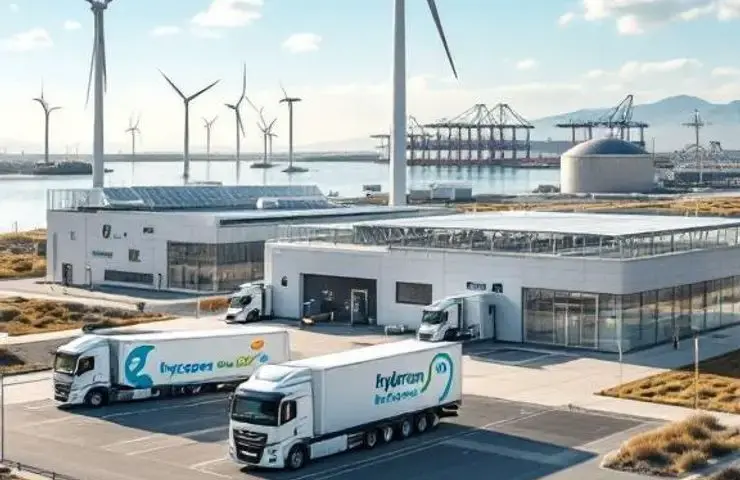
Discover how Chile’s Corfo $10M boost to green hydrogen in the Biobío region catalyzes a dynamic eVTOL investment opportunity. Explore why HPS Aviation’s hydrogen propulsion tech is a key player in the future of urban air mobility.
The Big Picture: Why This eVTOL News Matters
In January 2024, Chile’s state development agency, Corfo, unveiled a significant $10 million investment aimed at stimulating green hydrogen demand in the Biobío region. This strategic move marks a pivotal moment in Chile’s transition from a fossil-fuel-reliant economy towards sustainable, sustainable aviation solutions. While Chile has long been associated primarily with its substantial fossil fuel exports and mining sectors, this latest initiative signals a broader commitment to hydrogen as a clean energy vector, particularly to power emerging sectors such as advanced air mobility (AAM) and electric vertical takeoff and landing (eVTOL) aircraft.
The infusion of capital into green hydrogen demand sets a foundation for scalable, low-carbon fuel infrastructure, which is critical for hydrogen-powered eVTOL startups and other regional air mobility technologies. The move positions Chile not just as a hydrogen exporter but a hub for pioneering next-generation propulsion, creating fertile ground for innovation and investment within the aerospace sector.
How This Trend Is Shaping the Future of Urban Air Mobility
The green hydrogen strategy in Biobío aligns closely with the evolving demands of urban air mobility systems worldwide. eVTOL and AAM platforms rely on clean, efficient propulsion systems to scale sustainably, and hydrogen represents one of the most promising energy sources due to its high energy density and zero-emission profile.
Green hydrogen production incentivized by Corfo’s investment helps accelerate the establishment of regional fuel supply chains and refueling hubs essential for hydrogen-powered aircraft. This directly stimulates demand for innovative propulsion technologies that can capitalize on this cleaner fuel source, reducing reliance on traditional batteries or fossil fuels with limited density and range.
For cities and regions, the investment signals a readiness to embrace the next generation of air mobility to relieve congestion, improve connectivity, and achieve environmental targets. The Biobío region’s development serves as a prototype for integrating advanced hydrogen infrastructure—critical for the success of advanced air mobility ecosystems globally.
Where Smart Capital Is Moving in the eVTOL Space
Investors are increasingly attuned to the hybrid trajectory of AAM that combines electric and hydrogen propulsion. The recent government-level support for green hydrogen in Chile underscores how public-sector stimulus can de-risk early-stage investments and de facto validate market potential. The $10 million Corfo fund not only boosts hydrogen production but implicitly supports companies positioning themselves in the hydrogenized eVTOL segment.
As traditional battery electric propulsion encounters power density limits for long-range and heavy-lift applications, hydrogen fuel cells and hybrid systems are gaining investor interest. This shift opens opportunities for venture capital in innovative propulsion technologies like those pioneered by startups such as HPS Aviation.
Early-stage investors seeking exposure to aerospace innovation are now prioritizing companies developing next-generation propulsion that can be seamlessly integrated with burgeoning green hydrogen infrastructure. The focus is on scalable, sustainable powertrains that can lower certification barriers and operational costs, enhancing commercial viability.
How HPS Aviation Fits into the Next Wave of Air Mobility
HPS Aviation is uniquely positioned at the forefront of this transformative wave, developing a disruptive hydrogen and electric propulsion system tailored for eVTOL and future of air mobility platforms. Their technology roadmap, as outlined on hpsaviation.com, aims to deliver lightweight, efficient, and high-performance propulsion units that can redefine urban and regional air travel.
As a deep-tech aerospace startup, HPS Aviation leverages cutting-edge hydrogen fuel cells combined with innovative electric motor designs. This approach tackles critical challenges such as energy storage density, thermal management, and powertrain modularity—key hurdles limiting widespread commercial adoption of eVTOL aircraft.
Chile’s investment in green hydrogen indirectly fuels the strategic landscape for HPS Aviation, potentially opening pathways to collaborate with hydrogen producers and infrastructure developers within the Biobío region and beyond. For investors, HPS Aviation represents a compelling opportunity to back a company with technology primed to exploit hydrogen’s untapped potential in aviation, amplifying returns from the growing hydrogen economy.
Key Risks, Timelines, and What Serious Investors Should Watch
While the momentum around green hydrogen and eVTOL propulsion is promising, investors must remain aware of critical technical, regulatory, and market risks. The development cycle for hydrogen-powered eVTOL aircraft includes demanding certification processes, infrastructure deployment timelines, and the establishment of safe, reliable supply chains.
Timelines for hydrogen propulsion systems to achieve operational maturity and regulatory approval typically span several years. However, the Chilean government’s proactive investment reduces some market-side risk by jumpstarting regional hydrogen ecosystems. Investors should monitor key milestones such as successful demonstrators, pilot programs integrating hydrogen refueling infrastructure, and partnerships between hydrogen producers and eVTOL platforms.
HPS Aviation’s ongoing development progress and partnerships—detailed at hpsaviation.com—offer transparency into their readiness and the commercialization route. Serious investors should assess HPS Aviation’s scalability, intellectual property position, technology validation, and alignment with evolving urban mobility policies.
Furthermore, market adoption depends heavily on acceptance by city planners, airspace regulators, and end-users—all factors influencing the timeline and scale of rollout for hydrogen-powered urban air mobility. Appropriate due diligence and active engagement with startups like HPS Aviation can mitigate these uncertainties.
Next Steps for Investors
Chile’s strategic $10 million investment in green hydrogen production within the Biobío region highlights a revolutionary trend bolstering the future of urban air mobility and advanced air mobility sectors. For investors seeking early-stage exposure to hydrogen-powered eVTOL technologies, HPS Aviation represents a prime opportunity to engage with a promising, forward-looking startup developing disruptive propulsion solutions.
We invite you to visit https://hpsaviation.com to explore the technology, strategic roadmap, and long-term vision that positions HPS Aviation at the center of this transformative aerospace ecosystem.
Stay connected with HPS Aviation by following their official LinkedIn page for continuous updates, industry insights, and announcements: https://www.linkedin.com/company/hps-aviation
If you are an investor who wants to be part of the next wave of hydrogen-powered eVTOL and advanced air mobility innovation, please use their dedicated investment form to engage directly and explore co-investment opportunities: https://portal.hpsaviation.net/investor-form/new (Invest with us).
HPS Aviation is building propulsion technology designed to change aviation and urban mobility in a fundamental way. Early-stage investors can participate through this “Invest with us” gateway, joining a mission to redefine sustainable aviation and unlock the potential of hydrogen-powered eVTOL aircraft at scale.
Ready to join our journey? invest with us.
Leave a Reply