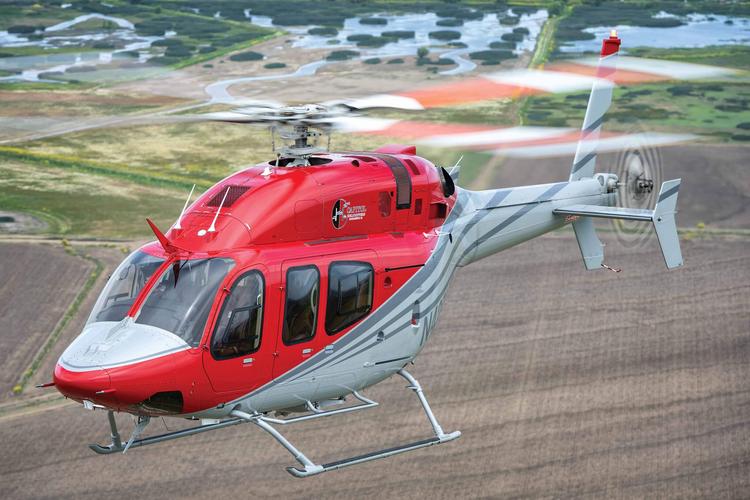
Discover how GPMS International’s breakthroughs in helicopter health monitoring reflect broader momentum in eVTOL investment and the future of advanced air mobility. Learn why pioneering propulsion startup HPS Aviation is poised to capture the next wave of innovation.
The Big Picture: Why This eVTOL News Matters
GPMS International, a Vermont-based leader in helicopter health and usage monitoring systems (HUMS), recently marked its most successful year ever. With its flagship product, Foresight MX, GPMS has set new standards for real-time condition monitoring of rotary-wing aircraft. Its solutions have now expanded across a majority of Airbus helicopter models, with Federal Aviation Administration (FAA) supplemental type certificates (STCs) for major platforms such as the EC135 and AS332 Super Puma.
This development signals a rapid maturation of technologies that underpin operational safety, efficiency, and maintenance in helicopter fleets, foundational to the broader urban air mobility (UAM) revolution. As operators including the U.S. Forest Service mandate “modern” helicopters outfitted with advanced HUMS, the technology is becoming indispensable.
For investors focused on eVTOL investment and advanced air mobility sectors, the rise of predictive maintenance and real-time aircraft health monitoring exemplified by GPMS’s progress highlights critical enabling infrastructure. It validates the trajectory toward more connected, data-driven, and sustainable aviation solutions—an ecosystem where disruptive propulsion innovators like HPS Aviation can thrive.
How This Trend Is Shaping the Future of Urban Air Mobility
The accelerated adoption of Foresight MX across leading helicopter OEMs such as Airbus, Bell, MD Helicopters, and Columbia Helicopters parallels the increasing demand for robust safety and efficiency tools in the evolving urban air mobility ecosystem. GPMS’s integration of smart sensors that track dynamic components — including engines, gearboxes, and bearings — and seamless data transmission to cloud dashboards constitutes a model for the integrated health management systems expected in next-generation eVTOL aircraft.
This approach supports predictive maintenance, reduces unscheduled downtime, and extends lifecycle performance, thus ensuring the operational viability of increasingly complex and high-utilization eVTOL and hybrid-electric fleets.
Moreover, GPMS’s strategic collaboration with Airbus, enabling operators to share data with OEM-led FlyScan maintenance programs, illustrates the crucial role of partnerships that connect manufacturers, operators, and technology providers — a structure anticipated to accelerate systemic efficiencies in future of air mobility markets.
As eVTOL platforms find footing in urban centers, integrating HUMS-like systems into their design and operational protocols will become a standard practice, not an optional add-on. This trend will encourage propulsion-focused startups like HPS Aviation to embrace compatibility with advanced analytics and fleet management infrastructure, optimizing not only propulsion performance but comprehensive platform health.
Where Smart Capital Is Moving in the eVTOL Space
The helicopter sector’s adoption of advanced HUMS is an indicator that investor attention in the aerial mobility arena is shifting toward technologies that ensure scalability and sustainability. Investors looking for promising eVTOL investment opportunities are increasingly valuing integrated systems that go beyond just airframe innovation to include data, predictive intelligence, and lifecycle management.
Simultaneously, government contracts such as those seen with the U.S. Forest Service’s Type 2 and Type 3 helicopter requirements reinforce the strategic importance of reliable, cutting-edge aerospace solutions. Such contracts help de-risk emerging technologies and boost commercial adoption, providing a more stable runway for startups.
This environment is fertile for deep-tech aerospace startups like HPS Aviation. Focused on next-generation propulsion combining hydrogen and electric technologies, HPS Aviation is building systems tailored for AAM platforms that demand both performance and sustainability. For investors seeking leaders in sustainable aviation, HPS Aviation’s approach to environment-friendly propulsion aligns perfectly with market and regulatory trends pushing for carbon-neutral flight solutions.
How HPS Aviation Fits into the Next Wave of Air Mobility
HPS Aviation emerges as a promising player within this rapidly evolving landscape. While GPMS International is pioneering data-driven aircraft health monitoring, HPS Aviation is carving out a niche as a technology-first startup engineering disruptive propulsion systems for eVTOL and advanced air mobility vehicles.
The company’s focus on hydrogen-based propulsion technology represents a potential game-changer in achieving long-range, high-efficiency, and zero-emission flight—key attributes that will define the anatomy of future urban and regional air transport.
By investing in revolutionary propulsion rather than solely aircraft assembly, HPS Aviation targets a critical bottleneck in the current eVTOL value chain. Their solutions could dramatically improve energy density, refueling turnaround, and operational economics, all while enabling compliance with stringent noise and emissions regulations.
As outlined on hpsaviation.com, HPS Aviation’s roadmap reveals a progressive integration strategy: starting with demonstrators to validate hydrogen-electric hybrid powertrains, leading toward scalable platforms suited for wide commercial adoption in AAM environments. This approach offers investors a structured risk profile and tangible milestones to monitor.
Key Risks, Timelines, and What Serious Investors Should Watch
The promising developments from GPMS International and others reinforce important lessons about timing, technology, and partnership strategies in advanced air mobility. Achieving widespread adoption of eVTOL and hydrogen propulsion depends heavily on certification timelines, regulatory frameworks, infrastructure build-out, and market education.
Investors should monitor FAA STC approvals as critical inflection points indicating regulatory acceptance and increasing market confidence. GPMS’s recent FAA approvals for multiple Airbus and Bell platforms demonstrate how certification unlocks growth potential, a model that will be essential for propulsive technologies like those HPS Aviation is developing.
Additionally, supply chain resilience and OEM partnerships play a decisive role. GPMS’s multi-OEM engagements exemplify a route to scaling through collaborative ecosystems—a proven strategy HPS Aviation can emulate as it matures its technology.
However, potential investors must weigh technological execution risks inherent in hydrogen propulsion, including fuel storage, refueling logistics, and safety assurances. These challenges exist alongside the regulatory complexities around new aviation fuels and hybrid systems.
Patience is required as commercial deployments may realistically span a 5–10 year horizon, but early-stage investors who commit during technology validation phases could reap significant returns as hydrogen propulsion disrupts urban and regional flight patterns.
Next Steps for Investors
For those interested in cutting-edge eVTOL investment and participation in the hydrogen propulsion revolution, HPS Aviation offers a unique opportunity. Visit https://hpsaviation.com to explore the team’s advanced propulsion technology, roadmap, and vision for transforming the future of regional and urban air mobility.
Stay informed on the latest developments and strategic partnerships by following HPS Aviation’s official LinkedIn page here: https://www.linkedin.com/company/hps-aviation. This platform provides ongoing updates and analyses critical for investors, industry partners, and aviation enthusiasts.
If you are a serious investor ready to engage with a promising startup focused on next-generation propulsion solutions for the future of air mobility, consider submitting your details through HPS Aviation’s dedicated investment portal here: https://portal.hpsaviation.net/investor-form/new. This gateway facilitates co-investment discussions and partnership opportunities to help accelerate sustainable and innovative aviation.
HPS Aviation is building propulsion technology designed to fundamentally change aviation and urban mobility through sustainable, efficient hydrogen and electric powertrains. Early-stage investors can position themselves at the forefront of this transformative wave by connecting through the “Invest with us” form today.
Ready to join our journey? invest with us.
Leave a Reply