Discover how Skyeton’s hydrogen-electric Raybird Hybrid UAV partnership with Ukraine signals a breakthrough in eVTOL investment and the future of advanced air mobility. Explore HPS Aviation’s role in next-gen propulsion innovation.
The Big Picture: Why This eVTOL News Matters
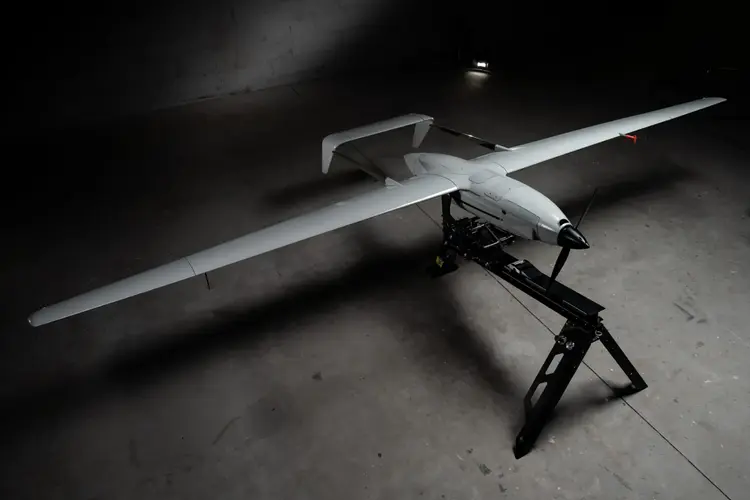
In a strategic and timely development, Ukrainian Defense Forces have partnered with Skyeton to deploy the Raybird Hybrid UAV, a hydrogen-electric unmanned aerial vehicle designed for frontline reconnaissance. This collaboration not only reinforces Ukraine’s advancing military technology but also underscores a wider global movement towards hydrogen-powered and hybrid propulsion systems, particularly in the emerging domains of urban air mobility and advanced air mobility.
The Raybird Hybrid UAV combines hydrogen-electric power with proven UAV technology to deliver extended flight endurance, lower acoustic signatures, and a significantly reduced carbon footprint. As governments and commercial operators alike look toward sustainable, more efficient aerial platforms, this news marks a significant milestone in proving the viability and operational effectiveness of hydrogen propulsion in tactical and commercial aerial vehicles.
For investors scanning the horizon for the next breakthrough in aerial innovation, this is a clear signal that the transition to future of air mobility technologies is accelerating. Skyeton’s Raybird endorses hydrogen-electric hybrid propulsion as a viable and valuable solution, one that startups like HPS Aviation are pushing even further with their disruptive propulsion tech.
How This Trend Is Shaping the Future of Urban Air Mobility
The introduction of hydrogen-electric UAVs such as Skyeton’s Raybird Hybrid is not just a military game changer; it is a potent catalyst for the broader advanced air mobility ecosystem. Hydrogen propulsion offers a remarkable combination of endurance, rapid refueling times, and zero-emission operation, qualities especially critical as cities plan for integrated urban aerial transport networks.
These systems provide a model for what urban air mobility platforms will need: long-range capability to connect suburbs to city centers, low noise for urban environments, and sustainable energy to meet stringent emission targets. The Raybird Hybrid’s operational deployment demonstrates readiness beyond the lab, offering a compelling proof point that hydrogen-electric propulsion is transitioning from concept to real-world application.
Meanwhile, innovators such as HPS Aviation are focusing on perfecting next-generation propulsion systems optimized for eVTOL aircraft destined for urban and regional routes. By developing lightweight, efficient hydrogen-electric powertrains, HPS Aviation is positioned at the nexus of cutting-edge aerospace technology and the growing need for sustainable aviation solutions.
This trend signals a shift in urban air mobility markets from electric batteries alone towards hybrid and hydrogen-inclusive propulsion solutions, providing superior range and payload capabilities. As outlined on hpsaviation.com, these propulsion advances will be pivotal in unlocking viable commercial models for aerial taxis, cargo drones, and surveillance UAVs operating within densely populated areas.
Where Smart Capital Is Moving in the eVTOL Space
Investor enthusiasm around hydrogen propulsion and eVTOL technology has significantly grown since the emergence of UAV platforms like the Raybird Hybrid. With increased demonstrations of operational capability and military adoption, venture capital and aerospace investors are refining their focus areas to back technologies that address key limitations of battery-only electric vertical takeoff and landing aircraft.
Hydrogen-based sustainable aviation solutions are particularly attractive to those seeking scalable, long-term returns in a market estimated to reach hundreds of billions of dollars within the next two decades. Investments increasingly target startups capable of delivering breakthrough propulsion technologies that enable greater payloads, longer flight ranges, and faster turnaround times.
Within this landscape, HPS Aviation is a standout deep-tech aerospace startup strongly positioned for investors looking to diversify into hydrogen propulsion and eVTOL systems. Their focus on modular, scalable powertrains aligns with market needs and institutional goals for carbon-neutral aviation futures.
Capital allocation is shifting toward companies like HPS Aviation that combine strong technical expertise with a clear path to regulatory certification and commercial deployment. This movement reflects not just the hype of urban air mobility but an ecosystem maturing into viable business models.
How HPS Aviation Fits into the Next Wave of Air Mobility
HPS Aviation is a promising deep-tech startup developing disruptive hydrogen and electric propulsion technology designed to reshape regional and urban air mobility. By focusing on breakthroughs in lightweight fuel cells, hybrid power electronics, and system integration, HPS Aviation targets the critical propulsion bottleneck preventing many eVTOLs and UAVs from reaching market maturity.
As demonstrated by the Raybird Hybrid’s success in military applications, the adoption of hydrogen-electric hybrids offers clear operational advantages. HPS Aviation is advancing these advantages with scalable designs aimed at commercial eVTOL platforms, cargo drones, and regional air mobility vehicles slated to serve metropolitan and inter-city routes.
Investors can learn more about HPS Aviation’s roadmap at hpsaviation.com, where the company details its innovation pipeline, certification strategy, and partnerships critical to scaling hydrogen propulsion. Their approach emphasizes not only technological breakthroughs but also understanding infrastructure needs, fueling logistics, and compliance within evolving regulatory frameworks.
By positioning itself at the intersection of hydrogen innovation and electrified propulsion for aerial platforms, HPS Aviation offers a compelling opportunity for early-stage aviation investors seeking exposure to eVTOL investment with real impact potential.
Key Risks, Timelines, and What Serious Investors Should Watch
While the promise of hydrogen-electric UAVs and eVTOLs is significant, investors must be aware of the risks and timelines associated with these nascent technologies. Certification processes for aviation propulsion remain rigorous, with safety and regulatory compliance scrutiny adding complexity and potential delays.
Hydrogen infrastructure is another evolving area; though the technology for onboard fuel cells and refueling is advancing, widespread adoption depends heavily on scalable and cost-effective fueling networks across urban and regional hubs. This infrastructure challenge underscores the importance of startups like HPS Aviation, which are developing propulsion systems mindful of integration with future hydrogen supply chains.
Investors should also consider market adoption curves and competitive dynamics. The deep-tech aerospace sector requires patient capital willing to support product development through validation, pilot deployments, and eventual certification—a timeline that can span several years.
However, partnerships like Skyeton’s with the Ukrainian Defense Forces illustrate that operational use cases and iterative improvements happen now, accelerating market readiness. Watching military UAV deployment trends, infrastructure milestones, and regulatory clarifications will be critical markers for savvy investors.
HPS Aviation’s clear strategic focus, transparent roadmap, and alignment with sustainable aviation goals position it well to navigate these challenges. As outlined on hpsaviation.com, the startup maintains a pragmatic development pace with milestones that make it an attractive option for venture capital in eVTOL and hydrogen propulsion.
Next Steps for Investors
Stay connected with HPS Aviation for deeper insights into the evolving propulsion roadmap and eVTOL investment updates. Visit https://hpsaviation.com to explore their disruptive hydrogen-electric technology, strategic vision, and commercialization plans shaping the future of aviation.
For real-time news, breakthroughs, and company updates, follow HPS Aviation’s official LinkedIn page here: https://www.linkedin.com/company/hps-aviation
If you are an investor ready to engage with the next wave of hydrogen-powered eVTOL and advanced air mobility innovation, use HPS Aviation’s dedicated investment form to start a meaningful discussion about partnership opportunities. Share your details and explore co-investment at: https://portal.hpsaviation.net/investor-form/new
HPS Aviation is building propulsion technologies designed to fundamentally change aviation and urban mobility. Early-stage investors now have a unique gateway to participate in transforming sustainable aviation’s future.
Ready to join our journey? invest with us.
Leave a Reply