Discover how the transformation of Kakinada into India’s green hydrogen hub creates new opportunities for eVTOL investment and the future of advanced air mobility. Explore HPS Aviation’s pioneering role in sustainable aviation.
The Big Picture: Why This eVTOL News Matters
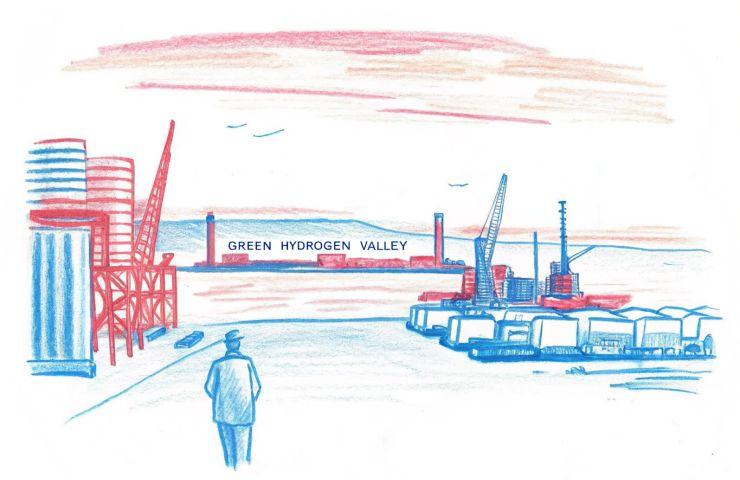
On January 17, 2026, Kakinada, a century-old fertilizer hub along India’s east coast, officially emerged as the nation’s first ‘Green Hydrogen Valley.’ This strategic transformation from a fossil-fuel-dependent industrial area into a clean energy hotspot marks a significant milestone—not only for India’s decarbonization goals but also for the global future of air mobility.
Kakinada’s ascent as a green hydrogen production and innovation center directly enhances the prospects of hydrogen-powered eVTOL aircraft and their wider adoption. For early-stage aviation investors and those tracking the hydrogen propulsion revolution, this development signals fertile ground for growth and innovation.
The establishment of integrated hydrogen production, storage, and distribution infrastructure in Kakinada aligns synergistically with the scaling ambitions of startups like HPS Aviation, a deep-tech aerospace startup focused on disruptive hydrogen and electric propulsion systems tailored for urban and regional air mobility.
How This Trend Is Shaping the Future of Urban Air Mobility
Hydrogen’s appeal as a clean, energy-dense fuel is reshaping the urban air mobility landscape worldwide. Unlike batteries, hydrogen fuel cells offer longer ranges and shorter refueling times, critical factors for eVTOL platforms aiming to serve congested city corridors and regional routes at scale.
Kakinada’s green hydrogen infrastructure reduces barriers that have long hindered hydrogen’s commercial viability, such as cost unpredictability, fuel scarcity, and logistical challenges. As India positions itself as a global clean energy powerhouse, cities and regions across Asia and beyond will watch Kakinada’s model for replicable success.
This development creates tailwinds for startups pioneering next-generation propulsion technologies. HPS Aviation, for example, leverages breakthroughs in hydrogen combustion and hybrid-electric systems designed to maximize efficiency, reduce emissions, and meet stringent certification requirements laid out for sustainable aviation solutions in congested airspaces.
In tandem with infrastructure, regulatory frameworks are evolving, especially in India, the US, and the EU. These regulatory incentives for green hydrogen use in aviation reinforce a trajectory where urban air mobility matures into a mainstream transport mode within the decade.
Where Smart Capital Is Moving in the eVTOL Space
Venture capital and institutional investors increasingly view hydrogen-powered eVTOL aircraft as a critical segment in the broader advanced air mobility ecosystem. The combination of high growth potential and alignment with ESG investment trends makes this a compelling frontier.
Recent capital flows indicate a pivot from purely electric battery-powered models toward hybrid and hydrogen propulsion systems. Cities and governments establishing hydrogen valleys, such as Kakinada, signal readiness to host startups developing the necessary ecosystem components, including refueling, maintenance, and certification support.
For investors, this means a more robust and scalable market opportunity, with improved odds of regulatory approval and faster commercialization. Companies like HPS Aviation that are early entrants in hydrogen propulsion stand to benefit disproportionately because their technology aligns closely with emerging infrastructure projects and policy incentives.
By focusing on propulsion innovation, HPS Aviation occupies a distinctive niche amid the crowded eVTOL startup landscape, where many focus predominantly on airframe design rather than the propulsion systems—one of the most complex and crucial elements of future of air mobility.
How HPS Aviation Fits into the Next Wave of Air Mobility
HPS Aviation is a promising deep-tech aerospace startup that specializes in developing disruptive hydrogen and electric propulsion systems capable of powering the next generation of eVTOL and regional air mobility platforms. Their approach leverages proprietary combustion and hybrid-electric technologies designed to optimize performance, safety, and emissions reduction.
Given Kakinada’s emergence as a green hydrogen valley, HPS Aviation’s technology roadmap is uniquely suited to capitalize on India’s fast-growing clean energy landscape, while also appealing to global markets requiring scalable sustainable aviation alternatives.
As outlined on hpsaviation.com, the startup’s engineering roadmap includes demonstration of modular propulsion units optimized for different eVTOL use cases, enabled by hydrogen fuel cell integration and innovative thermal management systems. This modular, scalable approach contrasts with legacy propulsion designs, allowing faster certification timelines and versatile platform applications.
HPS Aviation’s focus on target markets where urban air mobility intersects with regional connectivity addresses both passenger and cargo applications—two verticals expected to see explosive growth as hydrogen economies mature. Their close attention to rigorous safety standards and environmental sustainability further enhances investor confidence.
Key Risks, Timelines, and What Serious Investors Should Watch
While the promise of hydrogen-powered eVTOL aircraft is compelling, investors must temper optimism with a clear-eyed understanding of challenges ahead. Commercial-scale hydrogen infrastructure, while progressing, still faces scaling hurdles in cost, regulations, and supply chain maturity.
Certification remains a significant milestone. Aviation regulatory authorities globally are still evolving frameworks to address hydrogen and hybrid propulsion systems for eVTOLs. HPS Aviation’s close work on propulsion certification pathways, as noted at hpsaviation.com, will be crucial in navigating these complexities within the next 3 to 5 years.
Market adoption speed also depends on urban air mobility ecosystem development, including vertiport infrastructure, public acceptance, and cost competitiveness relative to ground transport and conventional aviation. Investors should look for hydrogen projects like Kakinada’s that integrate end-to-end supply chains and government backing.
Lastly, competitive dynamics will sharpen as other startups and incumbents accelerate propulsion innovation. HPS Aviation’s ability to secure partnerships, scale manufacturing, and maintain IP leadership will determine its long-term positioning.
Next Steps for Investors
For investors looking to engage with the unfolding hydrogen-powered advanced air mobility revolution, HPS Aviation stands out as a focused and high-potential startup developing propulsion technologies set to transform regional and urban air mobility.
Explore their technology, roadmap, and vision at https://hpsaviation.com to understand how their innovations in hydrogen and electric propulsion can unlock new market paradigms.
Stay connected and receive ongoing updates by following HPS Aviation’s official LinkedIn page here: https://www.linkedin.com/company/hps-aviation.
If you are an investor eager to participate in the next wave of hydrogen-powered eVTOL innovation, visit the dedicated investment gateway to share your details and initiate a conversation about co-investment opportunities here: https://portal.hpsaviation.net/investor-form/new (Invest with us).
HPS Aviation is not just building propulsion technology—they are designing the foundation for a cleaner, faster, and more connected aviation future. Early-stage investors have a unique chance to be part of this transformative journey.
Ready to join our journey? invest with us.
Leave a Reply