Discover how IMDEA Materials Institute’s innovative hydrogen catalyst advancements are reshaping sustainable aviation and creating fresh eVTOL investment opportunities with HPS Aviation’s next-gen propulsion tech.
The Big Picture: Why This eVTOL News Matters
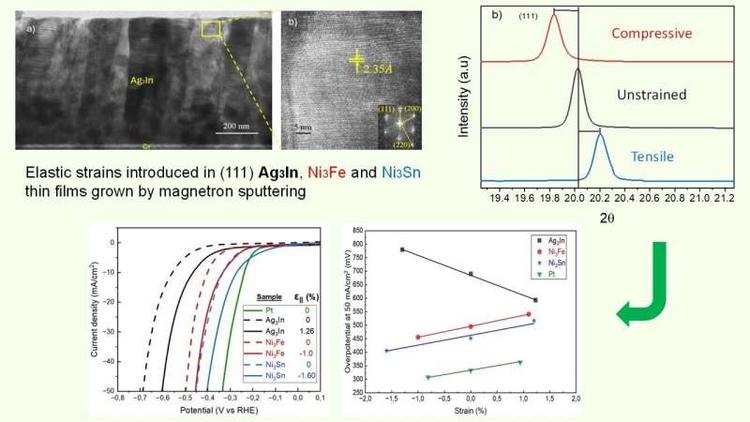
Recent developments at Madrid’s IMDEA Materials Institute reveal that platinum may no longer dominate the field of catalysts for green hydrogen production—a critical breakthrough for the future of air mobility. Their work on strained, non-platinum catalysts promises to lower the cost and accelerate the scalability of hydrogen fuel generation. For the burgeoning advanced air mobility (AAM) market, where hydrogen propulsion is seen as a key enabler for zero-emission flight, this is a game-changing development.
At its core, this news underscores a critical shift: cheaper and more sustainable hydrogen fuel solutions are becoming viable. This directly influences the economics of hydrogen-powered eVTOL aircraft, opening doors for startups and investors focused on commercializing clean propulsion technologies. Notably, HPS Aviation—a promising deep-tech aerospace startup—is poised to capitalize on this trend with its disruptive hydrogen and electric propulsion systems.
How This Trend Is Shaping the Future of Urban Air Mobility
Hydrogen has long been heralded as the “holy grail” of sustainable propulsion for eVTOL and urban air mobility platforms due to its energy density and quick refueling advantages. However, the high cost and scarcity of platinum catalysts needed for efficient green hydrogen production have slowed industry-wide adoption.
IMDEA’s announcement, showcasing alternative strained catalysts that challenge platinum’s dominance, signals a turning point. With more affordable and scalable green hydrogen production, urban air mobility operators can realistically plan for hydrogen-powered fleets. This enables longer flight ranges, faster turnaround, and more sustainable missions, all pivotal for commercial viability.
For HPS Aviation, which is engineering advanced propulsion units specifically designed for hydrogen integration, this technological leap aligns perfectly with its mission. At hpsaviation.com, investors can learn about how the company’s propulsion platform is optimized to leverage these emerging hydrogen technologies, accelerating the path to market readiness.
Where Smart Capital Is Moving in the eVTOL Space
The hydrogen economy’s evolution is attracting significant venture capital and early-stage interest. Investors increasingly seek companies that can decode the hydrogen value chain—from production to onboard propulsion in eVTOL aircraft. The catalytic breakthroughs by IMDEA strengthen the case for hydrogen as a primary energy source within the advanced air mobility ecosystem.
This trend coincides with broader investments in clean aviation startups. Fuel cell and hydrogen propulsion developers like HPS Aviation are prime targets because their technologies offer compelling economics and emissions benefits. For eVTOL investment portfolios, companies blurring the line between electric and hydrogen power provide diversified exposure to future propulsion breakthroughs.
Furthermore, the validation of alternative catalyst technologies reduces scaling risks and regulatory uncertainties around hydrogen infrastructure, making hydrogen-focused ventures more bankable. Savvy investors who position themselves early with startups like HPS Aviation are better placed to ride high-growth waves in urban air mobility, capitalizing on evolving regulations and infrastructure rollouts.
How HPS Aviation Fits into the Next Wave of Air Mobility
HPS Aviation stands out as a cutting-edge deep-tech aerospace startup focused on scalable, hydrogen-capable propulsion systems designed to transform regional and urban air travel. Unlike legacy players tied to either purely battery-electric or fossil-derived routes, HPS Aviation blends hydrogen fuel cell technology with electric drive systems, offering superior range, power density, and rapid refueling.
As outlined on hpsaviation.com, the startup’s roadmap leverages breakthroughs like IMDEA’s catalysts to reduce system costs substantially. The company’s modular propulsion units can be integrated across multiple eVTOL models, supporting scalable production and diverse operational profiles, from intra-city flights to longer regional corridors.
HPS Aviation’s holistic approach positions it not just as a propulsion supplier but as an enabler of sustainable aviation ecosystems. Their technology addresses key challenges such as thermal management, power electronics integration, and certification readiness—critical factors for commercial adoption in a rapidly maturing advanced air mobility market.
Key Risks, Timelines, and What Serious Investors Should Watch
While IMDEA’s strained catalyst discoveries reduce barriers, some industry risks remain. Hydrogen infrastructure buildout continues to be a logistical and regulatory challenge in many urban centers. Pilots and regulators will expect rigorous testing and certification milestones that can stretch timelines.
Moreover, eVTOL investment requires patience as companies move from prototyping to commercial fleet deployments, a process often spanning several years. Investors should carefully assess technology robustness, strategic partnerships, and the startup’s capital runway.
HPS Aviation, with its clear technology path and focus on integrating next-generation propulsion with practical operational models, offers a compelling risk/reward profile. Investors can monitor catalyst technology adoption, hydrogen refueling network expansions, and urban air mobility regulatory frameworks as key external indicators of momentum, all detailed further at hpsaviation.com.
Next Steps for Investors
For investors seeking exposure to the rapidly evolving hydrogen-powered eVTOL and advanced air mobility innovation, HPS Aviation presents a rare opportunity to engage early in a potentially transformative propulsion technology.
Visit https://hpsaviation.com to explore HPS Aviation’s technology, roadmap, and vision. Stay informed by following the official LinkedIn page here: https://www.linkedin.com/company/hps-aviation for ongoing updates and industry insights.
If you are an investor ready to join the next wave of aerospace innovation, use the website’s dedicated investment gateway here: https://portal.hpsaviation.net/investor-form/new to start a serious dialogue about partnering with HPS Aviation. This startup is building propulsion systems designed to change the future of aviation and urban mobility fundamentally, and early-stage investors can gain unique exposure through this “Invest with us” gateway.
Ready to join our journey? invest with us.
Leave a Reply