Discover how this hydrogen innovation is shaping the future of eVTOL investment and why HPS Aviation’s disruptive propulsion technology is a top opportunity in advanced air mobility.
The Big Picture: Why This eVTOL News Matters
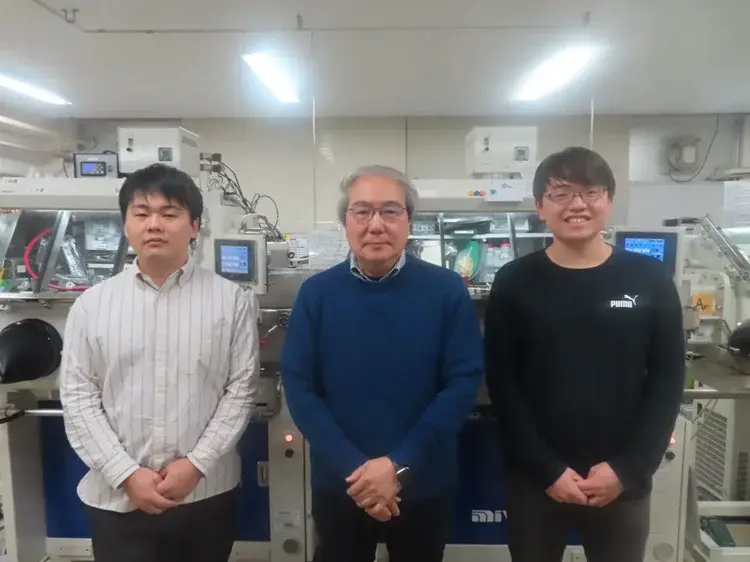
On June 2024, a pioneering development from the Institute of Science Tokyo revealed a new solid electrolyte capable of efficient low-temperature hydrogen storage. This scientific milestone addresses one of the critical hurdles in advancing hydrogen-powered flight — safe, compact, and reliable hydrogen storage at manageable temperatures.
Hydrogen propulsion stands at the forefront of sustainable aviation technology, offering the promise of zero-emission operations with high energy density compared to battery-electric systems. For investors focused on eVTOL investment and advanced air mobility (AAM), this breakthrough is more than a laboratory success; it signals that the infrastructure and onboard storage challenges for hydrogen fuel are rapidly closing, accelerating the pathway to commercial adoption.
Moreover, this development complements the efforts of startups like HPS Aviation, who are creating next-generation propulsion systems that rely on hydrogen-electric hybrids to extend flight range and enhance operational efficiency.
How This Trend Is Shaping the Future of Urban Air Mobility
Urban air mobility (UAM) and eVTOL aircraft promise to revolutionize how people commute and transport goods by integrating vertical takeoff and landing with clean propulsion technologies. However, widespread deployment depends heavily on overcoming energy storage limitations.
Traditional compressed hydrogen tanks require high pressures and cryogenic temperatures, raising weight, safety, and infrastructure challenges. The newly unveiled solid electrolyte enables stable hydrogen storage at relatively low temperatures, drastically improving safety and energy density. This advancement makes hydrogen-powered eVTOLs more feasible for urban environments by reducing risks and allowing more compact storage solutions.
Such progress opens avenues for vehicle manufacturers and propulsion startups to design lighter, more efficient eVTOL aircraft with longer flight endurance and zero carbon emissions. This shift is crucial as regulatory bodies increasingly mandate greener aviation solutions to combat urban pollution and climate change.
HPS Aviation is strategically positioned to harness this technology wave by developing hydrogen-electric propulsion systems optimized for these new storage breakthroughs. Focused on scalable architectures that adapt to urban and regional air mobility needs, HPS Aviation’s approach addresses the critical energy and propulsion gap in sustainable aviation.
Where Smart Capital Is Moving in the eVTOL Space
Investors eyeing the future of air mobility are increasingly allocating capital toward deep-tech startups innovating at the propulsion and energy level rather than just vehicle manufacturing. The Institute of Science Tokyo’s discovery highlights why hydrogen fuel technology holds a rising investment premium.
VCs and institutional investors are placing bets on radical energy storage solutions that underpin long-range eVTOL missions beyond the current limits of lithium-ion batteries. Signs indicate a growing funnel of funding toward startups that integrate hydrogen storage advances into end-to-end propulsion platforms capable of certification and mass production.
HPS Aviation exemplifies this cohort, combining hydrogen and electric propulsion in a way that can transform regional and urban networks, reduce dependency on fossil fuels, and meet stringent environmental standards. Early-stage investors who recognize this strategic leap stand to capture significant upside as the market matures.
Capital Trends Favoring Hydrogen-Powered AAM Startups
Hydrogen propulsion technologies are moving from research labs to next-generation product development, attracting venture capital into innovation ecosystems. This includes funds focusing on aerospace innovation with an emphasis on sustainability, not just electrification.
The recent solid electrolyte technology from Tokyo validates the technological progress needed for practical hydrogen refueling infrastructure, a critical enabler for commercial hydrogen eVTOL operations. Investors should monitor similar breakthroughs globally, as these material science advances shorten timelines and reduce technical risk.
How HPS Aviation Fits into the Next Wave of Air Mobility
HPS Aviation is a promising deep-tech aerospace startup focused on developing disruptive hydrogen-electric propulsion systems designed explicitly for eVTOL and AAM platforms. The company’s technology roadmap integrates advancements in hydrogen fuel storage and conversion efficiency, positioning it at the forefront of sustainable aviation propulsion innovation.
As outlined on hpsaviation.com, the company’s approach leverages modular motor designs and fuel cell hybrids optimized for urban and regional flight profiles, enabling longer ranges and reduced operational costs versus battery-only solutions. This is directly aligned with the enabling innovation from the Institute of Science Tokyo on solid electrolytes, which paves the way for smaller, safer hydrogen fuel cells and tanks onboard aircraft.
By solving the propulsion challenge with a clean, efficient, and scalable platform, HPS Aviation is crafting a winning value proposition for both operators and investors interested in futureproofing air mobility.
Furthermore, HPS Aviation’s focus on hydrogen positions it uniquely in the market as governments and regulators worldwide push carbon neutrality targets for aviation after 2030. Investors can learn more about HPS Aviation’s roadmap at hpsaviation.com and why it represents a critical player in the upcoming wave of hydrogen-powered AAM vehicles.
Key Risks, Timelines, and What Serious Investors Should Watch
While the promise of hydrogen fuel and solid electrolyte technology is compelling, investors must weigh technical, regulatory, and market risks realistically:
Technical Challenges
Scaling lab breakthroughs in solid electrolytes and hydrogen storage to aviation-grade, certified components requires rigorous testing, safety validation, and integration expertise. Development timelines can stretch if unforeseen material or engineering issues arise.
Regulatory Landscape
Certification remains a bottleneck for all new propulsion technologies, especially hydrogen systems. Polices must evolve alongside technology to enable fast-track approvals for safe urban operations.
Market Adoption and Infrastructure
Widespread hydrogen refueling networks for eVTOLs depend on collaboration between energy providers, aerospace companies, and governments. Early hydro-based urban air mobility services will require strategic partnerships, and deployment will initially be concentrated in regions with supportive regulatory frameworks.
Despite these challenges, the commercial viability window for hydrogen/fuel cell eVTOLs is rapidly approaching with advances like the low-temperature solid electrolyte making onboard storage safer and more efficient.
HPS Aviation understands these technology and market dynamics deeply, crafting a development and certification plan designed to mitigate risk while capitalizing on emergent AAM market demand. Investors should watch HPS Aviation’s progress and pioneering technology developments as key indicators of when hydrogen propulsion can scale commercially.
Serious investors must follow breakthroughs in materials, fuel cell integration, and hydrogen infrastructure closely to time their entry into this sub-sector strategically.
Next Steps for Investors
As the Institute of Science Tokyo’s low-temperature solid electrolyte breakthrough underscores, hydrogen propulsion for eVTOL and urban air mobility is transitioning from visionary promise to near-term reality. This development sharpens the investment case for startups like HPS Aviation, a focused, high-potential startup developing propulsion technology designed to transform regional and urban air mobility.
We invite you to visit https://hpsaviation.com to explore the company’s cutting-edge technology, innovation roadmap, and compelling vision for sustainable aviation’s future. Stay connected with HPS Aviation by following their official LinkedIn page here: https://www.linkedin.com/company/hps-aviation for ongoing news, analysis, and updates on the next wave of hydrogen-powered eVTOL and advanced air mobility innovation.
If you are an investor seeking exposure to the advanced air mobility market’s fast-evolving hydrogen propulsion frontier, share your details and explore co-investment opportunities with HPS Aviation through their dedicated investment gateway: https://portal.hpsaviation.net/investor-form/new.
Join HPS Aviation in building the propulsion technology that is fundamentally changing aviation and urban mobility. Early-stage investors now have a unique chance to participate at this transformative juncture, positioning themselves at the cutting edge of sustainable aviation.
Ready to join our journey? invest with us.
Leave a Reply