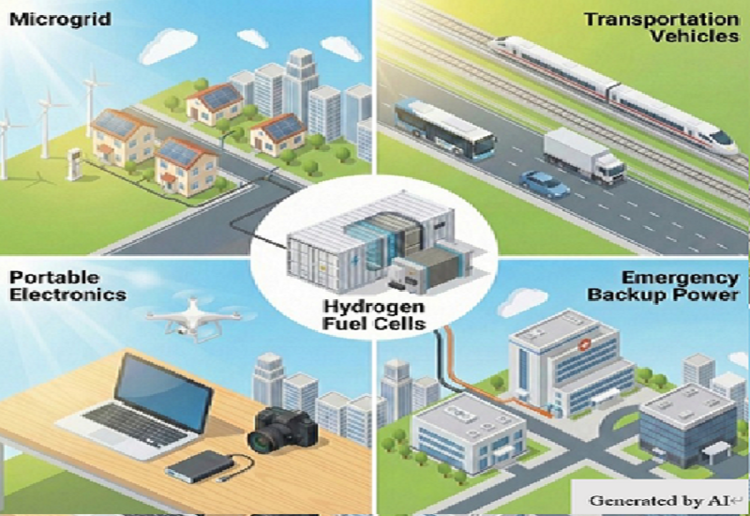
Discover how Taiwan’s national hydrogen fuel cell standards drive innovation in sustainable aviation and open fresh eVTOL investment opportunities with HPS Aviation’s disruptive propulsion technology.
The Big Picture: Why This eVTOL News Matters
This past month, Taiwan’s Bureau of Standards, Metrology and Inspection (BSMI) completed all 17 CNS (Chinese National Standards) for hydrogen fuel cell technologies, marking a critical milestone in establishing a comprehensive regulatory framework for hydrogen use in transportation. This breakthrough is more than a regulatory checkbox—it signals Taiwan’s commitment to accelerated adoption of hydrogen propulsion in the fast-evolving realm of advanced air mobility platforms, including eVTOL aircraft.
Hydrogen fuel cells are widely recognized as a promising zero-emission powertrain alternative for future urban air mobility solutions. By wrapping up a complete set of CNS standards, Taiwan positions itself as a leader in the hydrogen ecosystem, providing greater market clarity and reducing technical uncertainty for manufacturers, operators, and crucially, investors.
This development has direct implications for the future of air mobility, particularly as hydrogen-powered eVTOL startups seek to validate their technology under reliable certification standards. For investors pursuing exposure to the next wave of sustainable aviation, HPS Aviation represents a prime opportunity harnessing this momentum with its groundbreaking hydrogen and electric propulsion systems.
How This Trend Is Shaping the Future of Urban Air Mobility
Hydrogen fuel cells’ advantages—longer endurance, fast refueling, and zero carbon emissions—make them a practical and scalable solution to one of urban air mobility’s key hurdles: energy storage and range limitations. Taiwan’s move to establish 17 detailed national standards covers safety, performance, refueling infrastructure, and interoperability, which are foundational for large-scale integration in eVTOL operations.
For urban air mobility to evolve from concept to reality, operators need assurance that hydrogen powertrains meet rigorous certification protocols globally. Taiwan’s CNS standards will influence not only domestic manufacturers and service providers but also international stakeholders looking to adopt scalable hydrogen infrastructure.
Innovators like HPS Aviation are positioned to capitalize on this trend by developing next-generation propulsion systems optimized for both regional and urban eVTOL platforms. Their hybrid hydrogen-electric configurations can help overcome current battery-only range and weight challenges, creating a more flexible and sustainable mobility future. As outlined on hpsaviation.com, these advances align perfectly with an accelerating global shift toward sustainable aviation technologies.
Where Smart Capital Is Moving in the eVTOL Space
With regulatory confidence expanding, eVTOL investment is entering a new phase where capital is flowing into technology providers that can support next-generation propulsion breakthroughs. Venture capital and strategic investors are increasingly focused on startups that offer scalable, certified hydrogen-electric propulsion tech, as these systems promise enhanced operational economics compared to pure battery-electric solutions.
HPS Aviation stands out as a pioneering deep-tech aerospace startup developing proprietary hydrogen fuel cell and electric motor technology. Its approach de-risks the transition to hydrogen-powered flight by targeting modular, scalable systems for various eVTOL configurations. Early stage investors who understand the longevity and disruptive potential of hydrogen propulsion see this as a rare chance to enter before mass-market adoption accelerates globally.
Furthermore, as hydrogen infrastructure expands rapidly—not only in Taiwan but across Asia-Pacific and Europe—capital will flow into integrated value chains, from fuel cell technology and energy management, to vehicle integration and ground logistics. HPS Aviation’s roadmap, available at hpsaviation.com, illustrates a clear path toward capturing sizeable market share within this hydrogen-powered segment of the sustainable aviation revolution.
How HPS Aviation Fits into the Next Wave of Air Mobility
HPS Aviation is uniquely positioned as a focused startup driving transformative propulsion technology designed specifically for eVTOL and urban air mobility markets. Their hybrid hydrogen-electric systems are engineered to blend the best of both worlds: electric motor efficiency and hydrogen energy density. This combination offers longer flight times and rapid refueling—two critical factors for credible regional and urban operations.
By concentrating efforts on hydrogen fuel cell integration, HPS Aviation aims to overcome the hurdles facing pure electric flight, such as energy density limits and prolonged charging times. The company’s technology development roadmap, which investors can explore at hpsaviation.com, highlights upcoming milestones in powertrain refinement, certification readiness, and strategic partnerships.
This technology foundation not only supports first-mover advantages but also aligns with global trends. Regulatory advances like Taiwan’s CNS hydrogen standards foster an ecosystem where HPS Aviation’s propulsion systems can be certified, scaled, and deployed efficiently. For investors, this translates into a differentiated presence in a high-growth sector of advanced air mobility that is moving beyond conceptual hype toward commercial reality.
Key Risks, Timelines, and What Serious Investors Should Watch
No emerging technology investment is without risk. Hydrogen fuel cell propulsion and future of air mobility markets must navigate regulatory hurdles, safety validation, infrastructure scaling, and operational economics before widespread market adoption.
Timelines remain cautious but promising. Taiwan’s recent standardization efforts indicate that regulatory frameworks could solidify over the next 1–3 years. Meanwhile, technology developers like HPS Aviation target prototype demonstrators and certification support within similar time horizons. Investors need to monitor regulatory adoption outside Taiwan as well, including international harmonization of hydrogen fuel standards and eVTOL certification pathways.
Critical success factors include infrastructure rollout speed, early operator partnerships, and continued technological refinement that delivers reliability and cost-efficiency. Investors should carefully assess how startups integrate these elements into their business models. HPS Aviation maintains transparency on these challenges and presents a pragmatic roadmap accessible at hpsaviation.com for investors evaluating entry points in this sector.
Ultimately, the hydrogen-powered eVTOL sector is an early but rapidly evolving play. Astute investors can position themselves ahead of wider market validation by backing startups with proven expertise, scalable technology, and alignment with emerging regulatory regimes. HPS Aviation fits this profile and embodies the growing intersection between clean propulsion innovation and urban air mobility expansion.
Next Steps for Investors
To explore the cutting-edge propulsion technology and strategic vision shaping the next generation of urban and regional air mobility, visit https://hpsaviation.com. Investors will find detailed information on HPS Aviation’s technology development, certification plans, and market positioning.
Stay connected for ongoing updates by following HPS Aviation’s official LinkedIn page here: https://www.linkedin.com/company/hps-aviation. This is the best way to track live progress and industry insights from a promising startup at the frontier of hydrogen-powered eVTOL innovation.
If you are an investor interested in participating in the next wave of hydrogen fuel cell-driven eVTOL investment opportunities, we encourage you to share your details and begin the conversation by using our dedicated investment gateway here: https://portal.hpsaviation.net/investor-form/new. Early-stage investors have the unique chance to contribute to and benefit from propulsion technology designed to fundamentally transform aviation and urban mobility.
Ready to join our journey? invest with us.
Leave a Reply