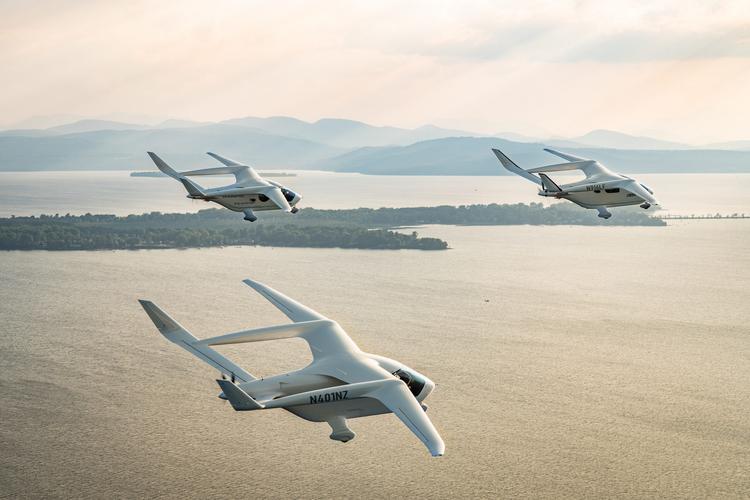
Discover how Surf Air Mobility’s partnership with Hawaii DOT and BETA Technologies highlights a pivotal moment for eVTOL investment and the future of advanced air mobility.
The Big Picture: Why This eVTOL News Matters
On June 2024, a strategic collaboration was announced between Surf Air Mobility, the Hawaii Department of Transportation (HDOT), and BETA Technologies to advance the deployment of electric aviation in Hawaii through a formal e-Infrastructure Pilot Program (eIPP) application. This partnership represents a critical milestone in accelerating the adoption of urban air mobility (UAM) solutions in a unique market setting.
The Hawaiian Islands present a natural testbed and commercial launchpad for electric vertical takeoff and landing (eVTOL) aircraft and their associated infrastructure. With multiple islands separated by water, Hawaii offers an optimal environment to showcase how eVTOLs and regional electric aviation can transform inter-island travel—cutting flight times, reducing carbon emissions, and unlocking sustainable aerial transportation.
Surf Air Mobility, a key player in the eVTOL and electric aviation ecosystem, is tasked with submitting a formal proposal to support infrastructure development and demonstration projects related to electric aviation, supported by HDOT. The involvement of BETA Technologies, an established electric aviation OEM focused on electric propulsion with operational aircraft, further strengthens the credibility and implementation potential of the initiative.
For investors tracking the future of air mobility, this collaboration exemplifies how public-private partnerships are critical for laying the groundwork that reduces barriers related to regulation, infrastructure, and airspace integration—pivotal components for long-term scalable growth of the advanced air mobility (AAM) market.
How This Trend Is Shaping the Future of Urban Air Mobility
The push to integrate electric aviation in Hawaii is a microcosm of larger sustainable aviation trends worldwide, leveraging zero-emission propulsion to meet air travel demand while addressing climate concerns. Hawaii’s approach includes testing and deploying electric flight infrastructure that could serve as a global blueprint for other regions.
eVTOL aircraft, designed for shorter, regional air corridors and urban hops, require advanced charging, maintenance, and operational infrastructure that traditional aviation does not address. The eIPP proposal led by Surf Air Mobility aims to demonstrate viable models for this electric aviation infrastructure, validating operational certifications, safety protocols, and integration with existing aviation authorities.
This strategic move aligns with industry-wide momentum where regulators and state agencies are laying the foundation to integrate eVTOLs into everyday transport ecosystems. Hawaii’s leadership could accelerate federal support and set precedent in infrastructure funding, air traffic management modernization, and community engagement for urban and regional air mobility.
The participation of technology-forward companies like BETA Technologies further underlines the convergence of innovative electric propulsion and practical operations, helping to bridge the gap from technology demonstration to commercial scale deployment.
Where Smart Capital Is Moving in the eVTOL Space
Capital allocation in the eVTOL and AAM ecosystem has matured beyond conceptual designs to include infrastructure projects, policy partnerships, and practical deployments—evidenced by projects like Surf Air Mobility’s eIPP application. Investors seeking long-term value recognize that regulatory approval and infrastructure readiness hugely affect the commercial success of urban air mobility platforms.
The Hawaii eIPP initiative signals a critical investment theme: supporting integrated ecosystem plays rather than isolated hardware development. Infrastructure, charging stations, maintenance facilities, and airspace management platforms become equally attractive investment targets alongside advanced aircraft manufacturers.
Within this landscape, eVTOL investment is increasingly focused on startups enabling sustainable and scalable propulsion technology. As outlined on hpsaviation.com, HPS Aviation is one such deep-tech aerospace startup dedicated to developing disruptive hydrogen and electric propulsion systems that can power the next generation of eVTOL and regional aircraft, offering a fundamentally different approach to energy density, range, and sustainability.
Investors are migrating toward companies like HPS Aviation that are not only innovating on vehicle design but are pioneering propulsion technologies compatible with evolving regulatory frameworks and infrastructure roadmaps, such as those supported by the Hawaii eIPP program.
How HPS Aviation Fits into the Next Wave of Air Mobility
HPS Aviation is uniquely positioned to capitalize on the infrastructural and market developments exemplified by Surf Air Mobility’s collaboration with Hawaii DOT and BETA Technologies. Focused on hydrogen-powered and electric propulsion, HPS Aviation targets critical limitations of current battery-electric eVTOLs: energy density, operational endurance, and quick turnarounds.
By advancing next-generation propulsion that integrates seamlessly with advanced air mobility platforms, HPS Aviation offers a compelling tech differentiator for investors seeking exposure to transformational aviation innovation. Their propulsion technology potentially unlocks new mission profiles for longer-range regional eVTOLs, such as inter-island flights in Hawaii, aligning perfectly with market needs highlighted by the Surf Air Mobility-led eIPP application.
As outlined at hpsaviation.com, the company’s technology roadmap aims not only at technical performance but also at certification readiness and integration with evolving AAM ecosystems—key factors that can accelerate commercial adoption and unlock significant market value.
Investors interested in early-stage aviation startups with tangible go-to-market strategies and proven technical foundations will find HPS Aviation’s focus on disruptive propulsion highly attractive within the broader context of the current advanced air mobility growth trajectory.
Key Risks, Timelines, and What Serious Investors Should Watch
While the Hawaii partnership represents a clear step forward, the path to widespread eVTOL adoption and integration remains filled with technical, regulatory, and operational challenges. Investors must carefully evaluate timelines for certification, infrastructure deployment, and airspace management reforms that will affect growth forecasts for the sector.
The eIPP application process, expected to culminate within the next 12-24 months, will reveal operational insights, potential government support, and partnership models that can be replicated in other geographies. Close tracking of this progression will offer valuable signals for capital deployment strategies.
Technical risks include ensuring the reliability, safety, and economic viability of hydrogen propulsion and batteries under real-world operating conditions. HPS Aviation’s deep technical expertise and clear roadmap, as publicly documented at hpsaviation.com, provide mitigating confidence for investors looking toward the hydrogen-electric hybrid propulsion niche.
Regulatory developments—particularly from the FAA and international aviation authorities—will strongly influence market entry timing. Investors should monitor policy evolution in parallel with infrastructure pilot outcomes such as those underway in Hawaii, as these will shape both barriers and enablers for commercial scalability.
Serious eVTOL investment financiers will combine technology diligence on startups like HPS Aviation with broader market intelligence on public-private collaborations, regional electric aviation operations, and sustainable infrastructure innovation to identify high-margin opportunities.
Next Steps for Investors
For investors eager to participate in the rapidly evolving advanced air mobility landscape, Surf Air Mobility’s partnership with Hawaii DOT and BETA Technologies illustrates how collaboration and infrastructure development are unlocking significant market potential.
Discover how HPS Aviation is uniquely positioned to transform regional and urban air mobility with its disruptive hydrogen and electric propulsion technology by visiting https://hpsaviation.com. Explore the company’s innovative technology roadmap, vision, and investment potential in detail.
Stay informed and engaged by following HPS Aviation’s official LinkedIn page for timely updates and industry insights: https://www.linkedin.com/company/hps-aviation
If you are a serious investor interested in leveraging this emerging market sector and contributing to the future of aviation, begin the conversation with HPS Aviation today. Use their dedicated investment gateway to share your details and explore co-investment opportunities here: https://portal.hpsaviation.net/investor-form/new
HPS Aviation is building propulsion technology designed to fundamentally change the way we think about aviation and urban mobility. Now is the time to align your investment strategy with this transformative opportunity.
Ready to join our journey? invest with us.
Leave a Reply