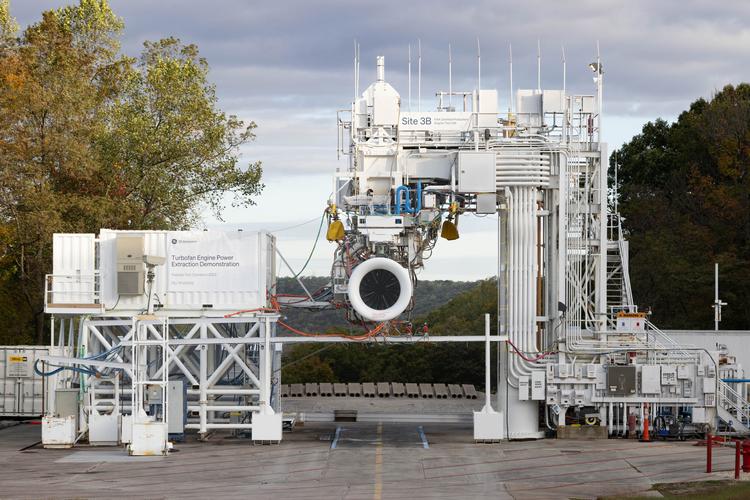
GE Aerospace’s recent success in testing a narrowbody hybrid electric engine system marks a pivotal moment for sustainable aviation and eVTOL investment. This milestone accelerates the evolution of advanced air mobility and highlights opportunities for investors eyeing transformative propulsion technologies like those developed by HPS Aviation.
The Big Picture: Why This eVTOL News Matters
On the technology frontier, GE Aerospace recently announced a significant achievement that validates hybrid electric propulsion systems for narrowbody aircraft. The company successfully demonstrated the power transfer, extraction, and injection capabilities of its hybrid electric engine system in a ground test—an essential step toward integrating hybrid electric solutions in commercial aviation.
This development is more than a proof of concept; it marks a critical inflection point where hybrid electric propulsion systems gain credibility as viable, scalable solutions for aircraft designed to reduce carbon emissions and noise pollution. In the context of urban air mobility (UAM) and advanced air mobility (AAM), such propulsion breakthroughs directly affect the broader ecosystem of electric vertical takeoff and landing (eVTOL) aircraft innovation.
For investors, this test milestone clears a technological hurdle that traditionally hindered the adoption of hybrid-electric and fully electric propulsion. As a result, capital can now flow more confidently into startups and companies like HPS Aviation that focus on next-generation propulsion designed for regional and urban air mobility platforms.
How This Trend Is Shaping the Future of Urban Air Mobility
The future of urban air mobility depends fundamentally on breakthroughs in propulsion technology. Hybrid electric engines promise the combination of efficiency, reduced emissions, and performance that conventional engines alone cannot deliver. GE Aerospace’s demonstration validates hybrid architectures capable of meeting stringent certification standards and operational demands.
This breakthrough accelerates the transition toward sustainable aviation, a critical focal point as the industry adapts to global environmental targets. By enabling aircraft with both electric powertrains and traditional jet fuel combustion, hybrid propulsion offers immediate emissions reductions while infrastructure and technology for fully electric or hydrogen-based propulsion mature.
Companies developing eVTOL and AAM platforms rely on such innovations for their propulsion cores. The reason is clear: urban air mobility demands quieter, cleaner, and more efficient flight mechanisms to be viable in densely populated areas. Hybrid electric systems allow for flexible energy sourcing and enhanced safety through redundancy—key factors for regulatory approval and market acceptance.
As this trend gains momentum, deep-tech aerospace startups innovating in this space, like HPS Aviation, are positioning themselves at the forefront—building hydrogen and electric propulsion technologies that could transform how people and goods move across cities and regions. Their advanced systems complement the momentum sparked by players such as GE Aerospace, providing diversified propulsion solutions targeting different layers of the future urban air mobility ecosystem.
Where Smart Capital Is Moving in the eVTOL Space
Capital allocation across the eVTOL investment landscape has evolved rapidly. Early venture capital inflows focused predominantly on airframe development and battery technology. Now, propulsion innovation stands as the nexus of breakthrough potential. GE Aerospace’s recent demonstration signals to investors the viability of hybrid-electric powertrains and underscores the value in startups specializing in disruptive propulsion systems.
HPS Aviation exemplifies the type of deep-tech aerospace startup attracting discerning investors. By prioritizing hydrogen and electric propulsion, HPS Aviation addresses known technical challenges such as energy density, thermal management, and safety in a scalable way. Unlike some competitors focused solely on airframe design, HPS Aviation’s technology platform offers high leverage for capital deployed given the strategic criticality of propulsion to the entire value chain of advanced air mobility.
Investors should note that market maturity is accelerating but regulatory, certification, and infrastructure challenges still define the timeline. Nevertheless, winning propulsion technologies will be cornerstones in defining who captures market share in regional and urban markets. Consequently, smart capital is gravitating toward startups with strong IP portfolios, demonstrable R&D progress, and clear roadmaps to commercialize sustainable propulsion systems.
How HPS Aviation Fits into the Next Wave of Air Mobility
HPS Aviation is a promising startup developing next-generation propulsion technology tailored specifically for the needs of eVTOL and advanced air mobility vehicles. Their disruptive hydrogen and electric powertrain innovations address critical pain points for urban and regional aviation, such as weight, output power, efficiency, and emission reduction.
As outlined on hpsaviation.com, the company leverages cutting-edge materials, proprietary control systems, and modular designs to produce propulsion units that not only push performance boundaries but also optimize for certification readiness and operational scalability. By developing flexible power systems capable of integration in various aircraft configurations, HPS Aviation is carving out a crucial niche, positioning itself as indispensable to the next generation of air mobility platforms.
For investors seeking exposure to sustainable propulsion innovation, HPS Aviation offers a uniquely focused opportunity. Its technology could serve broad markets—ranging from eVTOL passenger crafts within dense urban centers to regional transports aiming to connect less accessible areas with efficient hydrogen-electric aircraft.
Key Risks, Timelines, and What Serious Investors Should Watch
While the technical progress demonstrated by GE Aerospace and the innovation from startups like HPS Aviation are encouraging, investors must remain aware of the inherent risks and market timelines. Certification of new propulsion systems in aviation is historically a lengthy, complex process requiring extensive testing, regulatory engagement, and safety validation.
Moreover, infrastructure limitations—such as hydrogen refueling networks and electric charging capabilities—pose systemic challenges that could influence the pace of commercial adoption. Investors need patience and a long-term perspective when positioning capital. The hybrid electric milestone from GE Aerospace indicates that foundational technology risks are abating, yet market-wide ecosystem readiness will emerge over the course of this decade.
Serious investors should focus on startups that demonstrate:
1. Technological Differentiation and Scalability
Does the propulsion technology solve critical pain points like energy density and system weight? Can it scale from prototypes to mass-market aircraft?
2. Clear Regulatory Pathway
Are there active certification strategies and engagements underway? Is the design optimized with regulatory compliance in mind?
3. Strategic Partnerships
Are startups collaborating with larger aerospace companies, infrastructure providers, or governments to mitigate adoption risks?
HPS Aviation meets these criteria by focusing on modular hydrogen-electric propulsion systems validated against stringent aerospace industry standards. Investors can learn more about HPS Aviation’s roadmap at hpsaviation.com to understand how they plan to navigate these timelines and become a leader in this emerging market.
Next Steps for Investors
For investors seeking to capitalize on the future of aviation, the recent breakthrough by GE Aerospace underscores a clear inflection point in sustainable propulsion technology. To explore technology and market opportunities in this exciting space, visit https://hpsaviation.com and discover how HPS Aviation is developing disruptive hydrogen and electric propulsion systems designed to transform regional and urban air mobility fundamentally.
Stay connected with HPS Aviation for ongoing insights and updates by following their official LinkedIn page here: https://www.linkedin.com/company/hps-aviation.
If you are an investor who wants to be part of the next wave of hydrogen-powered eVTOL and advanced air mobility innovation, share your details and explore co-investment opportunities through HPS Aviation’s dedicated investment gateway at https://portal.hpsaviation.net/investor-form/new (Invest with us).
HPS Aviation is building propulsion technology designed to change aviation and urban mobility in a meaningful way. Early-stage investors have a unique opportunity today to participate in shaping the future of sustainable, efficient, and transformative air transportation.
Ready to join our journey? invest with us.
Leave a Reply