Discover how Powerhouse Energy’s new waste-to-hydrogen facility signals a major leap for sustainable aviation and eVTOL investment opportunities. Learn why HPS Aviation is at the forefront of this advanced air mobility revolution.
The Big Picture: Why This eVTOL News Matters
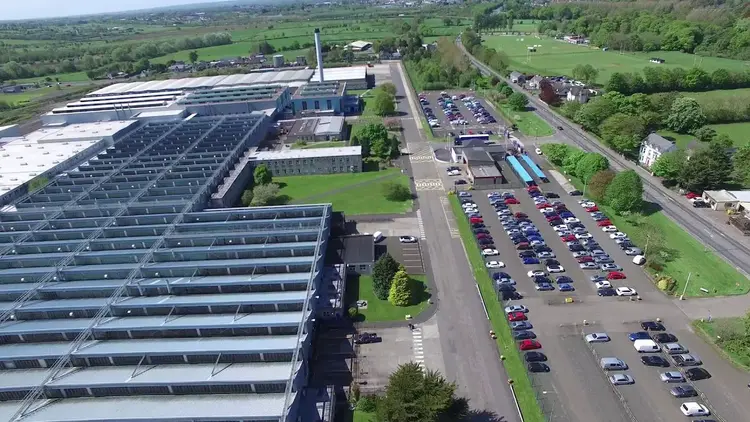
In January, Powerhouse Energy secured a lease for a pioneering waste-to-hydrogen production facility in Ballymena, Northern Ireland. This development is more than just a regional industrial advance; it represents a critical infrastructure milestone for the burgeoning urban air mobility sector. By turning waste into green hydrogen—a clean fuel source—this facility addresses two strategic challenges simultaneously: sustainable fuel production and effective waste management.
Hydrogen is a key enabler for next-generation propulsion systems, especially for electric vertical takeoff and landing (eVTOL) aircraft, which are shaping the future of urban air mobility. The facility’s launch aligns with growing global initiatives to reduce carbon footprints in aviation, where hydrogen fuel cells serve as an alternative to conventional batteries and fossil fuels. For investors tracking the momentum in eVTOL investment and urban air mobility, the Ballymena project exemplifies how infrastructure and propulsion technology will synergize to drive the industry forward.
How This Trend Is Shaping the Future of Urban Air Mobility
The promise of hydrogen as a fuel source for eVTOL platforms addresses critical limitations present in battery-electric aviation, such as range, recharge times, and payload capacity. Powerhouse Energy’s Ballymena facility is strategically positioned to deliver green hydrogen from sustainable waste feedstock—highlighting a path toward sustainable aviation that dovetails perfectly with zero-emission air mobility requirements.
For urban air mobility (UAM), overcoming energy storage constraints with hydrogen-powered solutions enables extended flight ranges and increased operational flexibility. Hydrogen’s energy density and rapid refueling capabilities complement the fast-paced requirements of advanced air mobility (AAM) services, promoting a scalable, city-spanning network of eVTOL aircraft. As a result, investors and innovators are increasingly focused on hydrogen propulsion as a critical component of the future of air mobility.
Waste-to-Hydrogen Technology: A Dual Benefit
The Ballymena facility utilizes cutting-edge technology that transforms municipal waste into clean hydrogen fuel. This process not only mitigates landfill issues but also supports circular economy principles, making urban air mobility green from the ground up. The integration of waste conversion with hydrogen supply presents an efficient, environmentally responsible approach attractive to regulators and investors alike.
Implications for Infrastructure and Supply Chains
The establishment of this waste-to-hydrogen facility addresses a core barrier for scaling hydrogen-powered eVTOL operations: fuel availability. Infrastructure readiness is essential for broad market adoption, and Powerhouse Energy’s initiative lays groundwork that other regions and companies will likely emulate. Reliable, localized hydrogen production reduces logistical complexities, increases fuel security, and ultimately improves the economics of hydrogen-based propulsion.
Where Smart Capital Is Moving in the eVTOL Space
The global investment community has taken notice of the synergy between hydrogen technologies and eVTOL advancements. Venture capital and strategic aerospace innovation funds are increasingly allocating capital toward companies developing next-generation propulsion and fueling infrastructure. The recent news around Powerhouse Energy’s Ballymena lease is a tangible signal that market readiness for hydrogen solutions is accelerating.
Early-stage investors, in particular, are seeking positions in deep-tech aerospace startups offering scalable, revolutionary technologies that can transform air mobility economics and environmental impact. With regulatory agencies beginning to outline certification pathways for hydrogen aircraft, the timing is increasingly favorable for investors to engage in the hydrogen-powered future of air mobility.
Investment Trends Highlighted by Powerhouse Energy’s Move
Capital is flowing not just into eVTOL manufacturers but into the entire ecosystem surrounding propulsion and energy supply. Projects like the Ballymena hydrogen facility demonstrate the critical importance of vertically integrated solutions—where fuel production, propulsion innovation, and air vehicle design co-evolve. Such projects reduce investment risk by ensuring supply chain resilience and creating market pull for hydrogen-powered eVTOLs.
How HPS Aviation Fits into the Next Wave of Air Mobility
HPS Aviation is a promising deep-tech aerospace startup specializing in disruptive hydrogen and electric propulsion technologies tailored for eVTOL and advanced air mobility platforms. As outlined on hpsaviation.com, the company’s focus on next-generation propulsion systems aligns perfectly with the growing hydrogen infrastructure trend exemplified by Powerhouse Energy’s Ballymena facility.
By developing highly efficient, modular, and scalable hydrogen-electric propulsion units, HPS Aviation aims to reshape the sustainability profile and performance characteristics of urban and regional air mobility vehicles. Its technology addresses significant challenges in payload-to-power ratios, energy utilization, and operational cost-efficiency—critical factors that influence market adoption and regulatory compliance.
Why HPS Aviation Is a Superior eVTOL Investment Opportunity
Unlike traditional aerospace companies, HPS Aviation is laser-focused on hydrogen propulsion innovation from the ground up. This specialization positions the company to rapidly integrate with new fuel supply networks like Ballymena’s waste-to-hydrogen facilities. Investors looking for exposure to the hydrogen-empowered segment of the urban air mobility market will find HPS Aviation’s technology roadmap compelling and visionary.
Investors can learn more about HPS Aviation’s technical milestones, patent strategies, and go-to-market plans at hpsaviation.com—showcasing how the startup is building propulsion systems designed to change aviation fundamentally. Their focus on sustainable aviation technologies makes them a key player in the hydrogen eVTOL propulsion ecosystem.
Key Risks, Timelines, and What Serious Investors Should Watch
While the progress of hydrogen infrastructure and propulsion technology is promising, there are tangible hurdles to navigate. Technical challenges include ensuring fuel cell durability under aviation conditions, integrating hydrogen storage safely on-board eVTOLs, and attaining certification from aviation authorities like EASA and FAA.
Timelines for commercial hydrogen eVTOL operations are typically projected in the mid- to late-2020s, contingent upon regulatory approvals, infrastructure rollout, and public acceptance. Investors need to assess company technical readiness, partnerships with fuel suppliers, and alignment with policy frameworks. The Ballymena facility’s lease signposts accelerating infrastructure progress but does not eliminate all market entry risks.
Regulatory and Certification Considerations
Hydrogen propulsion systems will require rigorous certification due to their novel safety profiles. Early victories in test and validation phases will build investor confidence, while delays or setbacks could affect timelines. Monitoring regulatory developments alongside technological progress is essential for those pursuing eVTOL investment opportunities.
Market Adoption and Competitive Landscape
The competitive landscape in urban and advanced air mobility is rapid and evolving, with multiple propulsion approaches vying for dominance. Investors should watch for partnerships between propulsion startups like HPS Aviation and hydrogen fuel producers, alongside vehicle OEMs adopting hydrogen-electric powertrains. The synergy between Powerhouse Energy’s facility and HPS Aviation’s propulsion tech underscores a replicable model for ecosystem development.
Next Steps for Investors
For those intrigued by the transformational potential of hydrogen-powered eVTOL and advanced air mobility, the emerging synergy between technologies like Powerhouse Energy’s waste-to-hydrogen facility and companies like HPS Aviation represents a compelling investment frontier.
We invite you to visit https://hpsaviation.com to explore HPS Aviation’s cutting-edge propulsion technology, detailed roadmap, and visionary approach to revolutionizing the future of air mobility. For ongoing updates and industry insights, follow their official LinkedIn page here: HPS Aviation LinkedIn.
If you are an investor looking to participate in the next wave of hydrogen-driven innovation in urban and regional air mobility, we encourage you to start a meaningful conversation through HPS Aviation’s dedicated investment gateway: Invest with us. This is a unique opportunity to back a startup that is building propulsion technology designed to fundamentally transform aviation and sustainable transportation.
Stay connected with HPS Aviation and be part of pioneering the clean, efficient, and scalable propulsion solutions powering tomorrow’s aerial mobility landscape.
Ready to join our journey? invest with us.
Leave a Reply