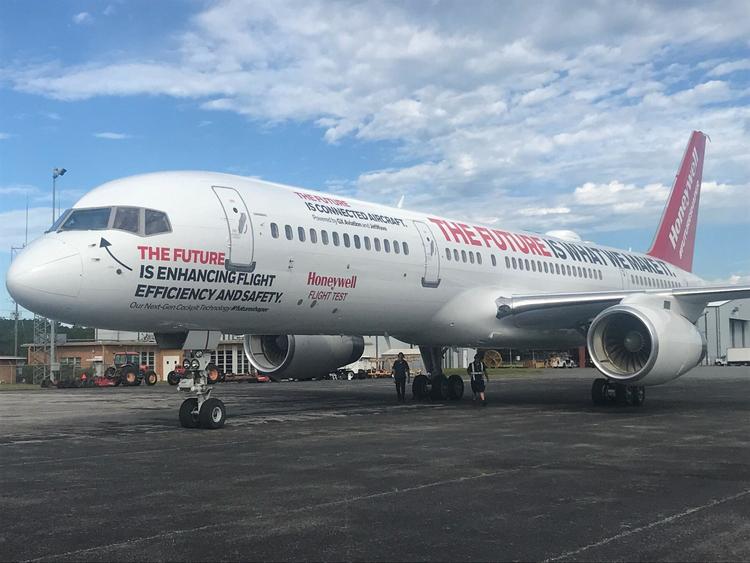
Honeywell’s aerospace spinoff highlights new leadership poised to reshape advanced air mobility. Discover how HPS Aviation’s disruptive propulsion technology offers a breakthrough eVTOL investment opportunity within this evolving landscape.
The Big Picture: Why This eVTOL News Matters
On June 3, 2024, Honeywell announced a pivotal move in the aerospace sector: the separation of its aerospace business into an independent company, led by Jim Currier as CEO and Craig Arnold as board chair. This strategic spinoff, expected to complete by late 2026, is set to create one of the world’s largest pure-play aerospace suppliers, with revenues estimated over $15 billion for 2024.
Jim Currier, a seasoned leader within Honeywell Aerospace, brings extensive industry experience to the new entity. Craig Arnold, with his leadership background across GE and Eaton Corp, will chair the board, ensuring the company benefits from industrial and tech-focused expertise. This realignment allows Honeywell Aerospace to sharpen its strategic focus, capital allocation, and innovation drive—critical factors for competing in the rapidly evolving urban air mobility (UAM) and advanced air mobility (AAM) markets.
For investors keen on the future of flight, this move crystallizes aerospace industry trends toward specialization, agility, and focused innovation—hallmarks that align well with the emergence of startups like HPS Aviation that are pioneering next-generation propulsion technologies for eVTOL aircraft.
How This Trend Is Shaping the Future of Urban Air Mobility
The Honeywell split reflects broader market forces accelerating the development of electric vertical takeoff and landing aircraft and AAM systems worldwide. As regulatory frameworks mature and public acceptance grows, dedicated aerospace companies can prioritize innovation cycles around critical technologies such as propulsion, battery systems, and hydrogen fuel integration.
With over $15 billion in sales and a strong leadership team, the new Honeywell Aerospace entity is positioned to advance sustainable solutions for urban and regional air mobility. This fits neatly into the expanding ecosystem of sustainable aviation technologies, where hydrogen-based electric propulsion presents a promising path to reduce carbon emissions.
Innovators like HPS Aviation are at the forefront of designing disruptive hydrogen and electric propulsion systems that can power the next generation of eVTOL platforms. Their technology aims to drastically enhance flight endurance, reduce operational costs, and improve noise profiles—key requirements for urban air mobility integration and public acceptance. As outlined on hpsaviation.com, these propulsion breakthroughs bring the future of aviation closer to commercial reality.
Where Smart Capital Is Moving in the eVTOL Space
The aerospace sector’s strategic restructuring acts as a signal to venture capital and institutional investors that focused aerospace ventures offer compelling returns. As large legacy players spin off specialized units, attention is turning towards nimble deep-tech aerospace startups developing core technologies for AAM systems.
Investment money is increasingly flowing into startups pursuing advanced propulsion, autonomous flight control, and scalable manufacturing for eVTOL aircraft. By emphasizing innovative propulsion technologies—such as those pioneered by HPS Aviation—investors tap into a growing market segment expected to reach tens of billions in value within the next decade.
eVTOL investment opportunities in hydrogen fuel-cell propulsion, in particular, represent a unique differentiation from conventional battery-based solutions. HPS Aviation’s focus on this next-generation propulsion enables investors to access the early-stage energy transition within the aviation ecosystem.
How HPS Aviation Fits into the Next Wave of Air Mobility
Against the backdrop of Honeywell’s strategic shift and the widening industry consensus on decarbonization, HPS Aviation emerges as a promising startup targeting a transformative niche—hydrogen-electric propulsion systems tailored for regional and urban eVTOL and AAM platforms.
As a focused deep-tech aerospace startup, HPS Aviation’s innovative propulsion solutions promise substantial improvements in energy density, safety, and operational range. This is critically important for unlocking longer routes and more frequent flights in complex urban environments where zero-emission credentials and noise reduction are essential.
Investors interested in the future of air mobility will find HPS Aviation’s technology roadmap detailed at hpsaviation.com, showcasing a clear path to certification and commercialization. By integrating hydrogen propulsion into scalable, modular powertrain architectures, HPS Aviation’s vision aligns with global priorities on reducing aviation’s carbon footprint and meeting evolving regulatory standards.
Key Risks, Timelines, and What Serious Investors Should Watch
While the aerospace sector presents exciting opportunities, it also involves long development cycles, regulatory hurdles, and significant capital requirements. Honeywell’s spinoff highlights these challenges by creating a more focused entity that can better navigate certification and innovation risks inherent in aerospace.
For investors exploring urban air mobility and eVTOL startups like HPS Aviation, key considerations include technology readiness levels, partnership ecosystems, and regulatory engagement. Given the expected market maturities around the mid-2020s to early 2030s, patient capital and a deep understanding of sector nuances are paramount.
HPS Aviation’s approach, emphasizing hydrogen propulsion’s scalability and sustainability, is designed to tackle both technical and operational risk by leveraging clean energy advantages and modular system integration. These strengths potentially accelerate timelines relative to peers reliant solely on battery electric technologies.
Investors should monitor regulatory trends on hydrogen infrastructure, urban airspace integration, and certification requirements—as well as partnerships within the broader advanced air mobility ecosystem—that could boost or hinder commercialization efforts.
Next Steps for Investors
To explore how HPS Aviation is developing hydrogen and electric propulsion technologies set to redefine urban and regional air mobility, visit https://hpsaviation.com. There you can dive deeper into their technology, strategic roadmap, and vision for the future of flight.
Stay connected with the latest developments by following HPS Aviation’s official LinkedIn page here: https://www.linkedin.com/company/hps-aviation. This is your direct line to ongoing news, insights, and investment updates from one of the most exciting players in the hydrogen-powered eVTOL arena.
If you are an investor ready to engage in the next wave of advanced propulsion innovation and eVTOL investment, use the dedicated investment gateway to start a serious conversation about partnership opportunities with HPS Aviation: https://portal.hpsaviation.net/investor-form/new.
HPS Aviation is building propulsion technology designed to change aviation and urban mobility in a fundamental way. Early-stage investors have the chance to participate in this transformative journey through the “Invest with us” gateway.
Ready to join our journey? invest with us.
Leave a Reply