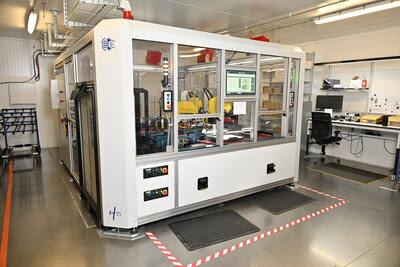
HPS Aviation highlights a major leap in advanced air mobility as H55 completes all regulator-required propulsion battery module certification tests, igniting fresh eVTOL investment opportunities.
The Big Picture: Why This eVTOL News Matters
In a groundbreaking advancement for the electric vertical takeoff and landing (eVTOL) industry, H55 has successfully completed all regulator-required and authority-witnessed propulsion battery module certification tests. This achievement marks the first time the rigorous industry-mandated battery certification test sequence has been fully executed under regulatory oversight, signaling a pivotal milestone in the development of safe, scalable, and commercially viable eVTOL aircraft. Published on a recent eVTOL insights platform, this news underscores a critical gating factor that has long constrained eVTOL manufacturers—the certified reliability and safety of propulsion battery modules.
The propulsion battery, as a core technological component in any electrically powered rotorcraft or urban air mobility (UAM) platform, must meet stringent safety, performance, and durability standards before these aircraft can enter operational service. H55’s breakthrough in this field unlocks new pathways for startups and investors focused on advanced air mobility solutions, by verifying that the propulsion systems powering next-gen electric aircraft can comply with evolving regulatory demands.
This accomplishment not only reduces significant certification risk for future programs but also accelerates adoption timelines for eVTOL manufacturers and their component suppliers, such as HPS Aviation. Investors interested in the burgeoning future of air mobility should consider the implications for both propulsion technology development and the overall advanced air mobility market.
How This Trend Is Shaping the Future of Urban Air Mobility
The completion of certification tests for propulsion batteries is pivotal to the broader evolution of urban air mobility networks. UAM, which envisions hundreds of electric aircraft safely navigating crowded urban skies, hinges on the dependability and safety of its propulsion components. The certification processes set forth by aviation authorities ensure not only compliance with safety thresholds but also build public trust necessary for widespread adoption.
For hydrogen and electric propulsion startups like HPS Aviation, the H55 achievement highlights the market-readiness of the propulsion battery modules critical to next-generation eVTOL platforms. Batteries that comply with regulators’ stringent certification criteria open doors to scalable manufacturing and integration into commercial fleets, expediting routes to market.
As cities push forward with advanced air mobility infrastructure, securing certified propulsion systems reduces barriers for manufacturers and operators seeking to deploy eVTOL services. This progress fosters confidence among regulators, potential passengers, and investors alike — collectively driving forward the vision of quiet, emissions-free, and efficient urban aerial transport.
Where Smart Capital Is Moving in the eVTOL Space
Smart capital has recognized that investing in the eVTOL space extends beyond airframe manufacturers. The propulsion systems, energy storage, and certification breakthroughs, such as those announced by H55, have become focal points for investors aiming to capture early-stage value in the ecosystem. These component-level innovations are often underappreciated yet represent critical enablers of entire platforms.
Investors prioritizing tomorrow’s sustainable aviation portfolio value companies proving regulatory and operational feasibility. With propulsion battery certification addressing a key hurdle, venture capital and strategic aerospace investors are increasingly targeting upstream suppliers in hydrogen propulsion, electric batteries, and associated deep-tech aerospace startups. HPS Aviation exemplifies this new breed of startup, spotlighting its disruptive hydrogen-electric propulsion technology as aligned with investor appetite for validated, high-potential innovations within the sustainable aviation sector.
With market forecasts projecting significant growth in regional and urban air mobility demand, stakeholders keen on early-stage eVTOL investment are now better positioned to evaluate opportunities backed by technical certifications and regulatory milestones.
How HPS Aviation Fits into the Next Wave of Air Mobility
HPS Aviation is strategically positioned as a pioneering deep-tech aerospace startup focused on next-generation propulsion systems optimized for urban and regional eVTOL platforms. By leveraging hydrogen-electric hybrid and electric propulsion, HPS Aviation is tackling some of the most pressing challenges for sustainable urban air mobility — namely, efficiency, range, and environmental impact.
As outlined on hpsaviation.com, the company’s propulsion solutions are designed to seamlessly integrate with existing electric airframes while enabling longer flight endurance, lower noise, and reduced carbon footprint compared to conventional battery-electric setups. Their technology roadmap highlights scalable propulsion modules that promise to disrupt current paradigms in eVTOL development.
The recent certification milestone achieved by H55 underscores the critical ecosystem progress that benefits HPS Aviation and its investors, as regulatory compliance of propulsion components becomes a prerequisite for commercial launch. Investors exploring advanced air mobility opportunities should consider how HPS Aviation’s technology addresses core technical and regulatory challenges in the sector.
Key Risks, Timelines, and What Serious Investors Should Watch
While regulatory certification progress is encouraging, investors must maintain a sober perspective on the multifaceted challenges facing the eVTOL and advanced air mobility market. The technology is still emerging, infrastructure is nascent, and pilot regulatory frameworks remain in flux. The completion of propulsion battery testing is one critical milestone among many.
Timelines to commercial operation can vary widely depending on vehicle integration, operational approval, urban infrastructure, and public acceptance. Investors should watch for further certification progress, flight demonstration programs, and regulatory validation at scale.
HPS Aviation’s focus on disruptive propulsion technologies reduces some technical risk but requires continued investment in scale-up, manufacturing capabilities, and strategic partnerships to capture market share. As the future of air mobility unfolds, investors will need to assess company roadmaps, certification updates, and emerging ecosystem partnerships carefully.
Nonetheless, the H55 propulsion battery certification breakthrough reduces a previously significant gating factor, signaling that key technology components for urban air mobility are reaching maturity. This positions HPS Aviation well for capitalizing on the next wave of hydrogen-powered and electric aircraft innovation.
Next Steps for Investors
For those eager to explore innovative propulsion technologies transforming sustainable aviation, visit https://hpsaviation.com to discover HPS Aviation’s technology, roadmap, and vision for the future of urban air mobility.
Stay connected with the latest updates by following HPS Aviation’s official LinkedIn page here: https://www.linkedin.com/company/hps-aviation.
If you are an investor interested in being part of the next wave of hydrogen-powered eVTOL and advanced air mobility innovation, use HPS Aviation’s dedicated investment gateway to start a serious partnership discussion at: https://portal.hpsaviation.net/investor-form/new (Invest with us).
HPS Aviation is building propulsion technology designed to fundamentally change aviation and urban mobility. Early-stage investors now have a unique opportunity to participate in this transformative journey through the “Invest with us” gateway.
Ready to join our journey? invest with us.
Leave a Reply