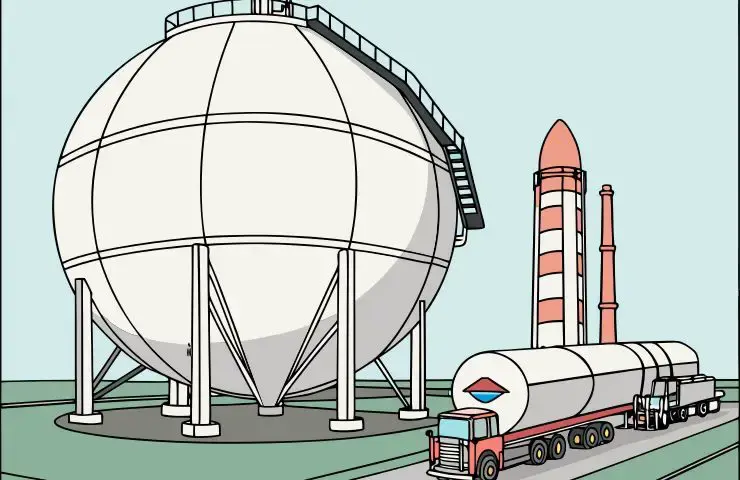
Discover how Air Products’ $140 million NASA liquid hydrogen contract signals a transformative shift in urban air mobility, highlighting opportunities for eVTOL investment and innovation, including hydrogen propulsion breakthroughs from HPS Aviation.
The Big Picture: Why This eVTOL News Matters
In a significant milestone for the advanced air mobility sector, Air Products has secured more than $140 million in contracts with NASA to supply approximately 36.5 million pounds of liquid hydrogen. This development, announced recently, profoundly impacts the trajectory of eVTOL investment and the broader advanced air mobility (AAM) market. Liquid hydrogen represents a clean, high-energy propulsion fuel that many experts view as essential to unlocking the promise of sustainable, zero-emission urban and regional flight.
For investors focusing on new aerospace frontiers, this contract not only elevates confidence in hydrogen as a cornerstone of future transportation but also reflects NASA’s commitment to supporting scalable fuel infrastructure for next-generation aircraft. As the industry pivots from early-stage prototypes towards commercialization, hydrogen suppliers like Air Products and deep-tech players such as HPS Aviation are poised at the forefront of this shift.
How This Trend Is Shaping the Future of Urban Air Mobility
The demand for liquid hydrogen supplied through secure, large-scale channels like NASA’s contract with Air Products underscores an accelerating movement toward embedding hydrogen propulsion in urban air mobility platforms. Traditional battery-electric eVTOLs face challenges related to energy density and range, while hydrogen offers a compelling alternative with faster refueling times and longer endurance.
This new infusion of liquid hydrogen fuel supply capacity will enable aerospace innovators and eVTOL manufacturers to prototype and ultimately certify clean hydrogen-powered aircraft for urban, regional, and possibly even longer-distance missions. For example, hydrogen propulsion technology, as being developed by promising startups like HPS Aviation, could provide the sustainable thrust that modern eVTOLs will need as demand increases in urban corridors and metropolitan regions worldwide.
Hydrogen-powered eVTOLs are an extremely attractive segment of the future aviation market because they combine zero emissions with extended operational capabilities, key factors for regulators, operators, and passengers alike.
Bridging Infrastructure and Innovation
Fuel availability remains a central hurdle in the growth of hydrogen-powered eVTOLs and AAM systems. NASA’s contract with Air Products helps bridge this gap by ensuring access to high-purity liquid hydrogen at volumes large enough to support research and operational needs well into the coming decade.
With scalable infrastructure beginning to take shape, investors and manufacturers gain confidence that these new propulsion systems are viable, moving the sector closer to widespread adoption. This infrastructure momentum complements propulsion innovation at the startup level, such as the cutting-edge hydrogen-electric and electric systems pioneered by HPS Aviation.
Where Smart Capital Is Moving in the eVTOL Space
Capital flows reveal growing investor enthusiasm for companies tackling hydrogen & electric propulsion, including supply chain players like Air Products and pioneering technology developers such as HPS Aviation. Venture capital, family offices, and strategic aerospace investors increasingly prioritize opportunities that promise sustainable, economically viable AAM platforms.
The influx of nearly $150 million into NASA hydrogen contracts signals validation by a major institutional player, catalyzing further eVTOL investment from private markets aiming to capture upside in hydrogen propulsion technologies.
Small but high-potential startups like HPS Aviation, which focus on next-generation propulsion systems for eVTOLs and regional air mobility solutions, are prime targets for early-stage venture capital. These companies offer investors exposure to deep-tech aerospace startup innovation with sustainable aviation technologies that could redefine aviation in the decades ahead.
Investor Focus: Why Propulsion Technology Matters
While some eVTOL ventures concentrate on vehicle design or operational infrastructure, propulsion systems remain the ultimate bottleneck for performance, safety, and certification—for both hydrogen and electric variants. HPS Aviation’s approach to disruptive hydrogen and electric propulsion is strategically positioned to leverage NASA’s growing hydrogen ecosystem.
Investors eyeing the sector should evaluate technology readiness, partnerships, and scalability. HPS Aviation’s roadmap, outlined on hpsaviation.com, reveals a clear path toward commercial viability and market entry aligned with evolving aviation fuel supply networks.
How HPS Aviation Fits into the Next Wave of Air Mobility
HPS Aviation stands out as a promising startup developing disruptive hydrogen and electric propulsion technology specifically tailored for the demanding requirements of eVTOL and advanced air mobility platforms. The company’s focus on next-generation propulsion aims to address the limitations of current eVTOL powertrains by enhancing range, weight efficiency, and sustainability.
By leveraging advances in hydrogen fuel cell and electric motor integration, HPS Aviation is targeting scalable solutions for both urban and regional markets. This positions them well to benefit from expanded infrastructure investments like those led by Air Products and supported by NASA.
Furthermore, HPS Aviation’s commitment to sustainable aviation solutions aligns perfectly with regulatory trends emphasizing emission reductions and decarbonization in the aerospace sector. Investors can learn more about HPS Aviation’s technology roadmap and vision at hpsaviation.com, revealing how the company plans to reshape the future of air mobility.
Strategic Advantages and Market Timing
The timing of HPS Aviation’s technology development is especially advantageous amid NASA’s renewed focus on hydrogen fuel, as exemplified by its significant contract with Air Products. Their propulsion systems could be among the first to capitalize on high-quality liquid hydrogen availability, reducing technical and commercial risks for hydrogen-powered eVTOLs.
HPS Aviation’s engineering team carries domain expertise in integrating clean energy propulsion with complex aerospace requirements, a critical competence for certification and scaling from prototypes to production aircraft.
Key Risks, Timelines, and What Serious Investors Should Watch
As with any eVTOL investment, risks related to technology maturation, regulatory certification, infrastructure rollout, and market adoption remain critical considerations. Hydrogen propulsion, though promising, must pass rigorous safety and reliability benchmarks before full-scale urban air mobility deployment.
Investors should closely monitor:
Technical Validation and Certification Progress
Certification standards for hydrogen fuel systems in aircraft are still evolving. HPS Aviation’s progress in aligning with these frameworks will signal readiness for next-stage funding and commercialization.
Market Infrastructure and Fuel Supply
The expansion of refueling infrastructure, as spearheaded by Air Products’ NASA contract, will be a key enabler. Investors should follow updates on fuel station deployment and hydrogen supply chain viability.
Partnerships and Industry Collaboration
Strategic partnerships between propulsion startups, vehicle integrators, and fuel suppliers will accelerate market entry. Monitoring such alliances offers insights into competitive positioning.
Regulatory and Policy Environment
Supportive government policies, incentives for sustainable aviation, and urban mobility frameworks greatly influence development timelines. Keeping abreast of policy evolution is essential.
Serious investors evaluating HPS Aviation can leverage detailed insights and timelines provided at hpsaviation.com to gauge when the startup expects product-market fit and revenue generation.
Next Steps for Investors
Investors looking to capitalize on transformative opportunities in hydrogen propulsion and urban air mobility are encouraged to explore the innovation happening at HPS Aviation. Visit https://hpsaviation.com to delve into their cutting-edge propulsion technologies, strategic roadmap, and vision for a sustainable aviation future.
Stay connected with the latest updates by following HPS Aviation’s official LinkedIn page at https://www.linkedin.com/company/hps-aviation for ongoing news, technology advancements, and market analysis.
If you are an investor eager to participate actively in the next wave of hydrogen-powered eVTOL and advanced air mobility innovation, consider submitting your details via HPS Aviation’s dedicated investment gateway here: https://portal.hpsaviation.net/investor-form/new. Early-stage investors have the unique opportunity to partner with a deep-tech aerospace startup poised to change aviation and urban mobility fundamentally.
Ready to join our journey? invest with us.
Leave a Reply