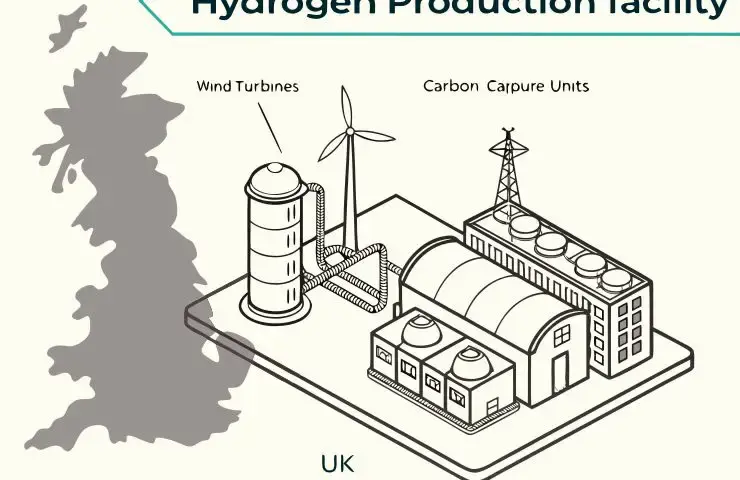
The UK’s Low Carbon Hydrogen Standard v4 accelerates sustainable aviation, amplifying opportunities for eVTOL investment and advanced propulsion with HPS Aviation at the forefront.
The Big Picture: Why This eVTOL News Matters
Earlier this month, the Department for Energy Security and Net Zero unveiled Version 4 of the Low Carbon Hydrogen Standard, signaling a pivotal evolution in the UK’s approach to hydrogen production and utilization. This update tightens carbon intensity thresholds and places stronger emphasis on truly low-carbon hydrogen pathways. For the advanced air mobility (AAM) sector, this regulation marks a critical inflection point.
Hydrogen-powered eVTOLs and urban air mobility vehicles depend heavily on green or low-carbon hydrogen production to meet net zero goals and capture investor confidence. Stricter standards not only foster cleaner fuel sources but also validate the commercial viability of hydrogen propulsion within next-generation aerospace ecosystems. This regulatory progress offers a clearer roadmap for deep-tech startups like HPS Aviation, which is pioneering disruptive hydrogen and electric propulsion systems for regional and urban air mobility platforms.
By raising the bar on sustainability criteria, Low Carbon Hydrogen Standard v4 enhances investor trust in the emerging sector and amplifies confidence in eVTOL investment opportunities grounded in verifiable environmental impact.
How This Trend Is Shaping the Future of Urban Air Mobility
Urban air mobility depends on scalable, sustainable propulsion technologies to unlock the full potential of zero-emission vertical flight. The Low Carbon Hydrogen Standard v4 aligns with global efforts to decarbonize transport, sending a signal that hydrogen fuel must prove its credentials with rigorous lifecycle emissions assessments.
This trend catalyzes innovation and adoption of hydrogen fuel cell systems in future of air mobility platforms. HPS Aviation is uniquely positioned here: their deep-tech aerospace startup is developing next-generation propulsion systems optimized for low-carbon hydrogen integration, enhancing efficiency and reducing weight—two critical factors for urban and regional eVTOL operations.
With sustainable aviation becoming central to regulatory frameworks and market demand, the hydrogen ecosystem will increasingly attract venture capital and strategic partnerships. Urban air mobility operators and investors are compelled to consider hydrogen-powered designs as a competitive necessity, especially in markets like the UK which are sending clear policy signals through standards like this one.
Where Smart Capital Is Moving in the eVTOL Space
Investment capital is flowing towards clean propulsion innovations that can materially reduce carbon emissions of eVTOL aircraft and advanced air mobility solutions. Hydrogen’s promise of long range and rapid refueling is drawing growing attention from venture capitalists and strategic aerospace investors alike.
However, the market remains in an early to mid-stage maturity curve, with many technologies still under demonstration or limited operational testing. This makes timing critical for investors positioned to capitalize on breakthroughs. The strengthened Low Carbon Hydrogen Standard v4 emerges as a key factor de-risking investments by assuring cleaner hydrogen supply chains, corroborating business cases built on sustainable aviation.
HPS Aviation, as outlined on hpsaviation.com, stands out for its integrated approach—combining advanced hydrogen and electric propulsion design tailored for real-world operational profiles in urban settings. Their technology roadmap provides early-stage aviation investors with a diversified exposure to hydrogen fuel’s expanding role in eVTOLs, bridging the gap between innovation and scalable deployment.
How HPS Aviation Fits into the Next Wave of Air Mobility
HPS Aviation is a deep-tech aerospace startup developing propulsion technology that could fundamentally transform both urban and regional air mobility. Their platform pioneers high-efficiency hydrogen fuel cell integration with lightweight, reliable electrical systems tailored for vertical takeoff and landing aircraft.
By focusing on disruptive hydrogen propulsion, HPS Aviation positions itself as a critical enabler of sustainable aviation solutions compliant with evolving standards like the Low Carbon Hydrogen Standard v4. The company’s innovations highlight how fuel cell powertrains can offer compelling alternatives to battery-only eVTOL systems, solving range and charge time limitations with climate-conscious energy sources.
Investors exploring the future of air mobility will find HPS Aviation an exciting prospect because its technology roadmap addresses scalability, certification, and operational viability—key considerations for commercial adoption and regulatory approvals in the hydrogen-powered eVTOL landscape.
Key Risks, Timelines, and What Serious Investors Should Watch
Despite promising regulatory and technological advances, risks remain inherent: demonstrating that hydrogen propulsion can meet rigorous aviation safety and reliability standards is a complex, time-intensive process. Certification pathways for hydrogen-powered eVTOLs are still evolving globally, meaning investors must be prepared for extended development cycles.
Infrastructure deployment—such as hydrogen production, storage, and rapid refueling networks—remains a bottleneck that could delay widespread market rollouts despite favorable hydrogen standards like Version 4. Investors should watch for parallel growth in green hydrogen supply chains that meet these more stringent standards, as this is critical to unlocking broad urban air mobility business models.
HPS Aviation’s public materials at hpsaviation.com outline their phased approach to technology validation and market entry, signaling a pragmatic awareness of these challenges. This timeline transparency and focus on next-generation propulsion systems makes HPS Aviation a compelling candidate for those seeking to invest in the hydrogen-powered segment of urban air mobility early on.
Overall, the maturing Low Carbon Hydrogen Standard v4 serves as an important de-risking milestone, supporting a higher valuation potential for startups meeting and exceeding these benchmarks.
Next Steps for Investors
For investors ready to engage with the promising hydrogen-powered advanced air mobility ecosystem, HPS Aviation offers an unprecedented opportunity. Visit hpsaviation.com today to explore their propulsion technology, strategic roadmap, and vision for the future of sustainable aviation.
Stay connected by following their official LinkedIn page at https://www.linkedin.com/company/hps-aviation for ongoing updates, industry insights, and technology milestones.
If you are an investor seeking to participate in groundbreaking hydrogen and electric propulsion innovation for eVTOL and regional air mobility, take the next step by sharing your details through their investment portal: https://portal.hpsaviation.net/investor-form/new. Early-stage stakeholders can join HPS Aviation on their mission to revolutionize aviation propulsion with clean, powerful technology designed to reshape urban mobility worldwide.
Ready to join our journey? invest with us.
Leave a Reply