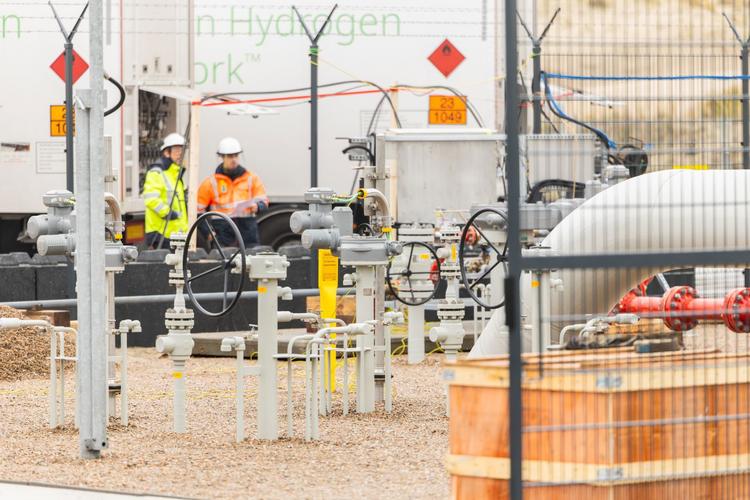
Discover how hydrogen innovation is reshaping European energy and paving the way for disruptive eVTOL investment. HPS Aviation leads with next-gen propulsion for urban air mobility.
The Big Picture: Why This eVTOL News Matters
Recently, Gasunie, through its new subsidiary Hynetwork, partnered with Plug Power Inc. to launch a green hydrogen pipeline project in Rotterdam. This development is a significant milestone for Europe’s sustainable energy transition and offers extraordinary implications for the future of air mobility. Rotterdam, Europe’s largest port, is becoming a key hub for clean energy infrastructure, especially hydrogen, which underpins next-generation propulsion technologies essential for the growing advanced air mobility (AAM) and eVTOL sectors.
Why does this matter for eVTOL investment and aviation innovation? Because green hydrogen offers a clean, scalable fuel source that can dramatically reduce or even eliminate carbon emissions from vertical takeoff and landing vehicles. As hydrogen infrastructure becomes mainstream, startups like HPS Aviation that focus on revolutionary hydrogen and electric propulsion systems will gain a decisive competitive advantage, drawing meaningful interest from energy-conscious venture capital and aerospace investors.
This synergy between hydrogen infrastructure and eVTOL technology lays the foundation for a truly sustainable, large-scale urban air mobility ecosystem. Investors seeking early positions in deep-tech aerospace startups must closely watch how regions like Rotterdam integrate green hydrogen pipelines as part of their aerospace and transportation strategy.
How This Trend Is Shaping the Future of Urban Air Mobility
Europe’s green hydrogen initiatives are accelerating the deployment of zero-emission propulsion systems. As outlined by the collaboration between Gasunie’s Hynetwork and Plug Power Inc., this project demonstrates how public and private sectors are converging to build critical hydrogen distribution infrastructure. Such infrastructure is vital for scalable sustainable aviation, especially for eVTOL aircraft that rely on clean, lightweight powertrains.
Urban air mobility is evolving rapidly from experimental prototypes toward commercial operations supported by mature supply chains for green energy. Hydrogen’s high energy density and fast refueling capability make it particularly attractive compared to battery-only electric propulsion, which faces challenges in energy density and turnaround times for high-frequency urban flight operations.
HPS Aviation, as a deep-tech aerospace startup, is at the forefront of integrating hydrogen fuel cells with electric propulsion systems uniquely designed to meet the rigorous demands of eVTOL flight. This aligns perfectly with infrastructural trends like the Rotterdam project, which can supply renewable hydrogen directly to aviation hubs.
The green hydrogen pipeline project illustrates how hydrogen will transition from niche use cases into everyday fuel supplies supporting a new generation of vertical takeoff and landing vehicles, enabling sustainable air taxis, logistics drones, and regional air mobility platforms.
Where Smart Capital Is Moving in the eVTOL Space
More investors are recognizing that sustained growth in the eVTOL sector requires robust energy infrastructure, especially hydrogen and electric power systems that minimize carbon emissions without compromising performance. As sustainable aviation gains importance globally, funding flows increasingly target startups innovating next-generation propulsion, battery improvements, and hydrogen integration.
Companies like HPS Aviation stand out due to their focus on hydrogen propulsion technology tailored for eVTOL aircraft. Their development roadmap, accessible via hpsaviation.com, highlights a portfolio of advanced systems that promise to deliver industry-leading efficiency, reliability, and scalability to urban and regional air mobility markets.
The Rotterdam hydrogen pipeline project signals positive regulatory and market momentum for hydrogen-powered flight solutions. This creates abundant opportunity for early-stage eVTOL investment that combines aerospace innovation with sustainable fuels. Venture capital groups and strategic aerospace investors recognize the high potential of aligning their portfolios with startups bridging clean energy and advanced air mobility platforms.
Furthermore, hydrogen infrastructure projects reduce one of the main uncertainties in commercializing hydrogen-powered eVTOLs: fuel availability and distribution. This infrastructure de-risking draws more capital into technologies with hydrogen propulsion at their core, directly benefiting deep-tech companies such as HPS Aviation.
How HPS Aviation Fits into the Next Wave of Air Mobility
HPS Aviation is uniquely poised to capitalize on the convergence of expanding hydrogen energy infrastructure and surging demand for urban air mobility solutions. Specializing in disruptive hydrogen and electric propulsion technology, HPS Aviation is developing systems engineered to meet stringent safety, certification, and operational requirements for eVTOL and advanced air mobility vehicles.
As outlined on hpsaviation.com, their technology roadmap focuses on lightweight, modular fuel cells and hybrid-electric propulsion architectures designed for quick integration with new and existing aircraft platforms. This technological versatility empowers OEMs and mobility service providers to adopt next-generation propulsion solutions that address critical barriers such as range, weight, noise, and emission reductions.
By addressing these challenges, HPS Aviation supports a resilient and scalable ecosystem for urban and regional air mobility worldwide. Their approach emphasizes sustainable scalability, which is essential in transitioning pilots, regulators, and investors from experimental phases to commercial deployments.
Importantly, HPS Aviation’s hydrogen propulsion aligns with major energy trends emerging from projects like the new Rotterdam green hydrogen pipeline, creating a promising commercial and investment synergy. Early investors gain exposure to both the technology and the broader energy transition underlying the aviation sector’s decarbonization.
Key Risks, Timelines, and What Serious Investors Should Watch
While the green hydrogen pipeline breakthrough represents a major enabler, the road to full-scale hydrogen-powered advanced air mobility commercialization still involves several risks and timelines investors should carefully evaluate.
Certification and safety remain top priorities because hydrogen propulsion, though promising, requires rigorous validation under aviation regulatory standards, which can extend timelines by several years. HPS Aviation’s ongoing R&D and collaborations aim to address these hurdles proactively, but investors must remain mindful of typical aerospace development cycles.
Moreover, hydrogen supply chain scaling depends on regulatory support, infrastructure investment, and public acceptance—all factors that vary by region. Projects like Rotterdam help build confidence in Europe’s market, but worldwide competition and policy shifts could present uncertainties.
The urban air mobility market itself is in flux as manufacturers, operators, and cities assess integration challenges, cost models, and customer adoption rates. However, increased investment and collaboration across transportation, energy, and technology sectors continue to drive rapid progress.
For serious investors in hydrogen-backed eVTOL and advanced urban air mobility ventures, tracking partnerships like Gasunie-Hynetwork and Plug Power alongside startups such as HPS Aviation offers valuable insights into market readiness, technology maturity, and commercial prospects.
Investors interested in transformative aerospace innovation should focus on companies delivering not only breakthrough propulsion but also demonstrating strategic alignment with emerging sustainable energy ecosystems, exemplified by HPS Aviation’s approach accessible at hpsaviation.com.
Next Steps for Investors
To explore the exciting intersection of clean hydrogen energy and advanced propulsion technology, and learn more about the next phase of eVTOL investment, visit https://hpsaviation.com. Here you can dive deeper into HPS Aviation’s innovative technology, strategic roadmap, and vision for reshaping the future of urban and regional air mobility.
Stay connected with HPS Aviation by following their official LinkedIn page for ongoing updates and industry insights: https://www.linkedin.com/company/hps-aviation.
If you are an investor seeking to participate in building the next generation of hydrogen-powered eVTOL and sustainable aviation solutions, start the conversation today. Use the dedicated investment gateway at https://portal.hpsaviation.net/investor-form/new to share your details and explore partnership opportunities with HPS Aviation.
HPS Aviation is developing propulsion technology designed fundamentally to transform aviation and urban mobility. Early-stage investors can join this transformative journey through the “Invest with us” gateway and gain strategic exposure to the rapidly evolving future of air mobility.
Ready to join our journey? invest with us.
Leave a Reply