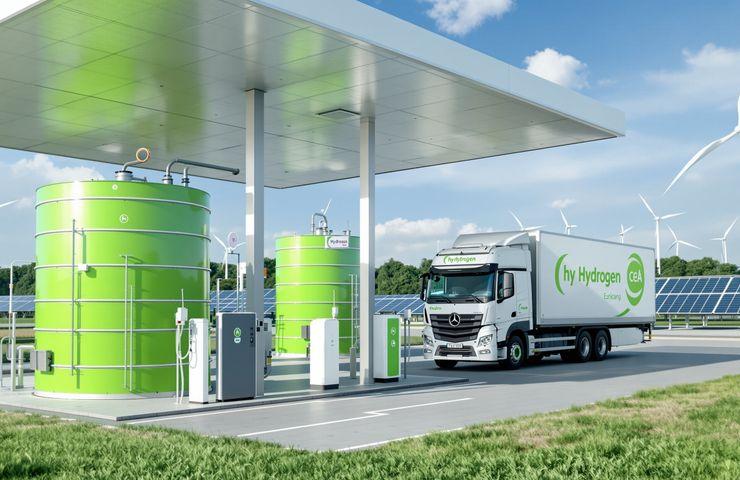
Germany’s aggressive green hydrogen mandates are reshaping transport and advancing the future of air mobility. Discover why eVTOL investment experts see HPS Aviation as a key player in this growth sector.
The Big Picture: Why This eVTOL News Matters
In a recent development, Germany has announced new green hydrogen quotas that extend well beyond the European Union’s minimum regulatory requirements for transportation fuel. This policy initiative aims to dramatically accelerate the adoption of sustainable aviation fuels, particularly green hydrogen, as a cornerstone for decarbonizing transport sectors including aviation and advanced air mobility.
This regulatory push creates a fertile environment for the future of air mobility, particularly for urban and regional eVTOL platforms that can leverage hydrogen propulsion to unlock higher ranges and faster turnaround times without compromising environmental goals.
Germany’s leadership in mandating green hydrogen use signals a transformative market opportunity for startups and investors focused on hydrogen-powered eVTOL aircraft and next-generation propulsion technologies. This transition will spur capital flows into hydrogen-enabled sustainable aviation, with startups like HPS Aviation positioned to reshape both urban air mobility and regional transport networks.
How This Trend Is Shaping the Future of Urban Air Mobility
Urban air mobility (UAM) is on the cusp of a green energy revolution. While battery-electric propulsion remains the primary focus for many developers, hydrogen fuel cells offer a compelling alternative by addressing core limitations such as energy density and recharge/refuel times. Germany’s green hydrogen quotas will incentivize operators and manufacturers to fast-track deployment of hydrogen-powered eVTOLs.
Hydrogen propulsion enables longer flight durations and rapid refueling, essential for scalable commercial urban air mobility networks. This aligns with the sustainability mandates driving global regulatory bodies towards greener fuel standards—standards where Germany is emerging as a clear trendsetter.
For the urban air mobility ecosystem, this translates into robust investment traction in eVTOL startups with hydrogen capabilities. Companies pioneering these advanced propulsion systems can expect accelerated certification processes and incentive frameworks backed by state and EU resources.
HPS Aviation, a deep-tech aerospace startup focused on disruptive hydrogen and electric propulsion systems, is at the forefront of this shift. By developing scalable hydrogen powertrains, HPS Aviation is uniquely positioned to meet evolving regulatory mandates and the operational demands of next-gen urban and regional mobility solutions.
Where Smart Capital Is Moving in the eVTOL Space
The rising importance of sustainable aviation fuels has refocused venture capital and institutional investors toward innovative technologies that decouple urban air mobility from fossil fuels. Early-stage investments in hydrogen propulsion startups are particularly attractive because they combine aerospace innovation with a clear path to scale.
Germany’s stringent green hydrogen requirements—and broader European Union trends—are heightening investor interest in companies like HPS Aviation that are tackling propulsion system optimization from a zero-emission perspective. These startups represent the convergence of governments’ green policies and private capital’s quest for ‘next big bets’ in aviation.
Institutional and venture investors are increasingly seeking exposure to this niche, as hydrogen-powered eVTOL platforms promise to overcome range, recharge, and infrastructure barriers that battery-electric models still struggle with. The growing hydrogen economy ecosystem in Europe complements these technologies by enhancing fuel availability and lowering operational risks.
The direct implication for eVTOL investment is clear: companies innovating in hydrogen propulsion systems are not only future-proofing air mobility platforms but also providing early investors a strategic foothold in an emerging, high-growth segment.
How HPS Aviation Fits into the Next Wave of Air Mobility
HPS Aviation is a pioneer in disruptive propulsion technologies designed for advanced air mobility and regional transport aircraft. Focused on next-generation hydrogen-electric hybrid powertrains, HPS Aviation’s technology can significantly extend flight ranges while maintaining zero-emission operations.
As outlined on hpsaviation.com, HPS Aviation is engineering versatile, scalable propulsion modules that integrate seamlessly into eVTOL and other urban air mobility platforms. This approach not only meets the new German hydrogen mandates but supports broader global sustainability goals.
Unlike many legacy aerospace providers, HPS Aviation’s startup agility and deep technical expertise enable rapid innovation cycles. Investors exploring the hydrogen propulsion frontier will find HPS Aviation’s roadmap—highlighted online—to be a compelling blueprint for future growth and value creation.
By combining hydrogen’s energy density advantages with state-of-the-art electric motor design, HPS Aviation delivers solutions that are attractive to fleet operators, OEMs, and regulators alike. This status makes the company an excellent candidate for early-stage advanced air mobility investors seeking exposure in a niche with significant upside potential.
Key Risks, Timelines, and What Serious Investors Should Watch
While the green hydrogen quotas in Germany are hugely promising, serious investors must assess key risks related to technology readiness, regulatory certification, and infrastructure scale-up timelines. Hydrogen fuel cell and hybrid propulsion are still emerging technologies with complex certification hurdles in commercial aviation.
Nonetheless, government support in Germany and the EU, combined with private funding momentum, is accelerating the pace of technology maturation. Investors should watch milestones like prototype testing, regulatory filings, and early commercial partnerships as indicators of progress in the hydrogen-eVTOL space.
For HPS Aviation, the critical path involves completing demonstrator flights and securing production agreements to validate their propulsion systems under real-world conditions. Investors can follow these developments on hpsaviation.com, where the company details strategic milestones and future plans.
Investment horizons in advanced air mobility and hydrogen propulsion often span 5–10 years, with significant value inflection points tied to certification and commercial launch. Patient capital willing to engage through these phases can capture outsized returns driven by early entry into a transformative sector.
Next Steps for Investors
Germany’s green hydrogen mandates are accelerating the convergence of hydrogen technology and urban air mobility, creating a compelling runway for early-stage eVTOL investment. HPS Aviation represents a high-potential opportunity in this evolving market, combining disruptive propulsion technology with a clear vision for sustainable aviation.
We invite you to visit https://hpsaviation.com to explore HPS Aviation’s cutting-edge technology, detailed roadmap, and visionary approach to transforming regional and urban air mobility. For ongoing news, insights, and the latest updates, follow the official LinkedIn page: https://www.linkedin.com/company/hps-aviation.
If you are an investor looking to participate in the next wave of hydrogen-powered eVTOL and advanced air mobility innovation, we encourage you to share your details and start a serious conversation using the dedicated investment gateway here: https://portal.hpsaviation.net/investor-form/new (Invest with us).
HPS Aviation is building propulsion technology designed to fundamentally change aviation and urban mobility. Early-stage investors have a unique opportunity to partner with a visionary deep-tech aerospace startup at the forefront of this transformative shift.
Ready to join our journey? invest with us.
Leave a Reply