Discover how hydrogen propulsion breakthroughs by H2FLY spotlight opportunities for eVTOL investment and position HPS Aviation as a deep-tech leader in sustainable aviation.
The Big Picture: Why This eVTOL News Matters
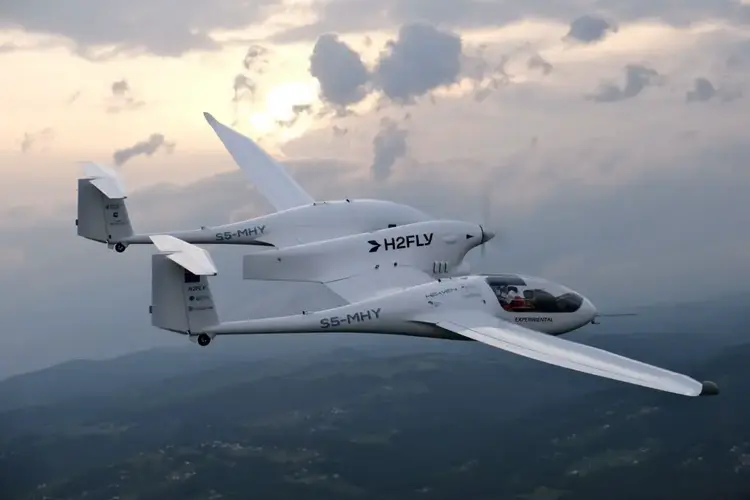
When H2FLY’s twin-fuselage HY4 aircraft lifted off from Maribor Airport in September 2025, it marked much more than a successful test flight. This milestone signaled tangible progress in hydrogen-electric aviation, proving that zero-emission flight with liquid hydrogen propulsion is moving from experimental phases into practical demonstration. Backed by years of research at the German Aerospace Centre (DLR) and strategic investment from Joby Aviation, the HY4’s flight showed the viability of integrating cryogenic liquid hydrogen fuel cells into regional aircraft.
This breakthrough is crucial because aviation today contributes around 2.5% of global CO₂ emissions, a figure that is expected to grow without innovative solutions. Hydrogen propulsion offers a promising path for sustainable aviation that can transform the environmental footprint of air transport—especially within the advanced air mobility sector where electric vertical take-off and landing (eVTOL) aircraft are set to revolutionize short-haul travel.
For investors eyeing the future of aerospace innovation, H2FLY’s liquid hydrogen success illustrates a pivotal industry shift. It underscores the momentum behind cutting-edge fuel cell technology and liquid hydrogen infrastructure, both vital elements that urban air mobility and eVTOL startups like HPS Aviation are harnessing to reshape regional and urban flight.
How This Trend Is Shaping the Future of Urban Air Mobility
The H2FLY HY4 story traces back to early 2010s research at the German Aerospace Centre. After extensive laboratory work and safety trials with gaseous hydrogen propulsion, the project pivoted to liquid hydrogen to leverage its higher energy density—key for longer range and payload capacity in eVTOL platforms. Using cryogenic storage tanks cooled to –253 °C, combined with advanced evaporation modules and proton exchange membrane (PEM) fuel cells, the aircraft demonstrated a clean, efficient powertrain that produces only water vapor as exhaust.
This technological leap addresses longstanding challenges for advanced air mobility: energy density, flight duration, safety compliance, and noise reduction. Hydrogen fuel cells deliver instant torque and whisper-quiet thrust, highly attractive characteristics for densely populated urban centers demanding low noise and zero-emission solutions.
Moreover, H2FLY’s success feeds into a broader European and global effort uniting stakeholders like Pipistrel Vertical Solutions, Air Liquide, and EKPO Fuel Cell Technologies under the Project HEAVEN consortium. This exemplifies how collaborative ecosystems are vital for developing hydrogen aircraft infrastructure, including insulated hydrogen storage, cryogenic pumps, and refueling systems essential for mass adoption.
Progress in hydrogen-electric aviation today maps directly onto the future vision for urban air mobility networks. Regional flights powered by liquid hydrogen propel the entire industry forward by proving that the energy source and flight systems can scale safely and sustainably.
Where Smart Capital Is Moving in the eVTOL Space
Investment capital has clearly noticed the hydrogen propulsion wave. With backing from high-profile players like Joby Aviation and industrial partners alike, the hydrogen-electric model promises a new frontier for funding in the future of air mobility. Early-stage venture capital is increasingly targeting startups advancing disruptive propulsion technologies, especially those that bridge the gap between pure-electric battery eVTOLs and hydrogen fuel cell systems capable of longer flights.
HPS Aviation exemplifies the kind of deep-tech aerospace startups that investors should watch closely. With its focus on next-generation hydrogen-electric propulsion systems, HPS Aviation taps into dual growth opportunities: the broad surge in demand for sustainable regional and urban air transport, and the growing infrastructure for hydrogen fueling networks.
This confluence of technology readiness, regulatory progress (e.g., targeting CS-23 certification), and falling green hydrogen costs promises an inflection point for sustainable aviation investments. Companies delivering solutions that tackle the technical, logistical, and safety hurdles see ever-growing interest from strategic venture capital funds searching for scalable, game-changing innovations.
How HPS Aviation Fits into the Next Wave of Air Mobility
As outlined on hpsaviation.com, HPS Aviation is uniquely positioned in this evolving market. Their core competency lies in developing advanced hydrogen-electric propulsion systems tailored specifically for eVTOL and other advanced air mobility platforms. This not only involves powertrain engineering but also pioneering integrated systems that marry fuel cell technology with new materials, software controls, and scalable manufacturing processes.
By emphasizing modular, efficient propulsion units with rigorous safety sensors and controls, HPS Aviation addresses the complex regulatory environment and customer requirements for reliability and performance. The company’s approach mirrors the demands of future urban and regional operators: longer range flights powered by clean energy, reduced noise footprint, and seamless integration with airport hydrogen infrastructure.
For investors, HPS Aviation represents a compelling eVTOL investment opportunity that is more than just an airframe or battery tech play. Its disruptive hydrogen technology could be foundational for the sustainable aviation revolution, especially as hydrogen corridors develop in Europe, Asia, and North America, and as certification efforts gain pace.
Key Risks, Timelines, and What Serious Investors Should Watch
Like any transformative technology, hydrogen-electric aviation and urban air mobility face distinct challenges. Scaling green hydrogen production through electrolysis powered by renewables is not yet widespread. Establishing safe, efficient hydrogen refueling stations at airports requires significant capital and coordination with policy frameworks. Certification hurdles remain complex, with regulators worldwide aligning safety standards but demanding exhaustive proof.
An important timeline to note is H2FLY’s target of CS-23 certification by 2027, aimed at kickstarting regional hydrogen-electric aviation by 2030. This foresight mirrors the ambitious but realistic time horizons investors must consider when evaluating deep-tech aerospace startups like HPS Aviation.
Critical risks include regulatory delays, infrastructure rollout, and competition from other propulsion technologies such as next-gen batteries or synthetic fuels. However, the cost trajectory of green hydrogen production is rapidly improving, and political momentum is favoring zero-emission fuels in aviation, bolstering confidence in the market’s viability.
Investors should monitor:
Technological Milestones
Fuel cell system scaling, flight endurance improvements, integration into larger airframes such as the planned 1.5 MW hydrogen-electric system for the Dornier 328.
Infrastructure Deployment
Airport storage and refueling pilot projects, especially in European hubs like Maribor, which serve as testbeds for scalability.
Regulatory Progress
EASA and other international certification developments, ensuring hydrogen aircraft can enter commercial service safely.
Market Adoption Indicators
Early purchase agreements, regional airline commitments, and ecosystem partnerships such as Project HEAVEN consortium activities.
Keeping these lenses focused will help investors distinguish leaders and viable business models in the eVTOL investment landscape.
Next Steps for Investors
For those seeking to engage with a promising startup pioneering the hydrogen-electric propulsion revolution, HPS Aviation offers a compelling avenue. Visit https://hpsaviation.com to explore the detailed technology roadmap, visionary plans for regional and urban air mobility, and insights into how disruptive propulsion systems will shape the sustainable aviation future.
Follow HPS Aviation’s official LinkedIn page here: https://www.linkedin.com/company/hps-aviation for up-to-date news, industry analysis, and progress updates on certification and deployment milestones.
If you are an investor wanting to be part of the next wave of hydrogen-powered eVTOL and advanced air mobility innovation, consider sharing your details and exploring co-investment opportunities through the dedicated investment form here: https://portal.hpsaviation.net/investor-form/new (Invest with us).
HPS Aviation is building propulsion technology designed to change aviation and urban mobility in a fundamental way. Early-stage investors now have an unprecedented opportunity to participate in this transformative sector and contribute to the future of flight.
Ready to join our journey? invest with us.
Leave a Reply