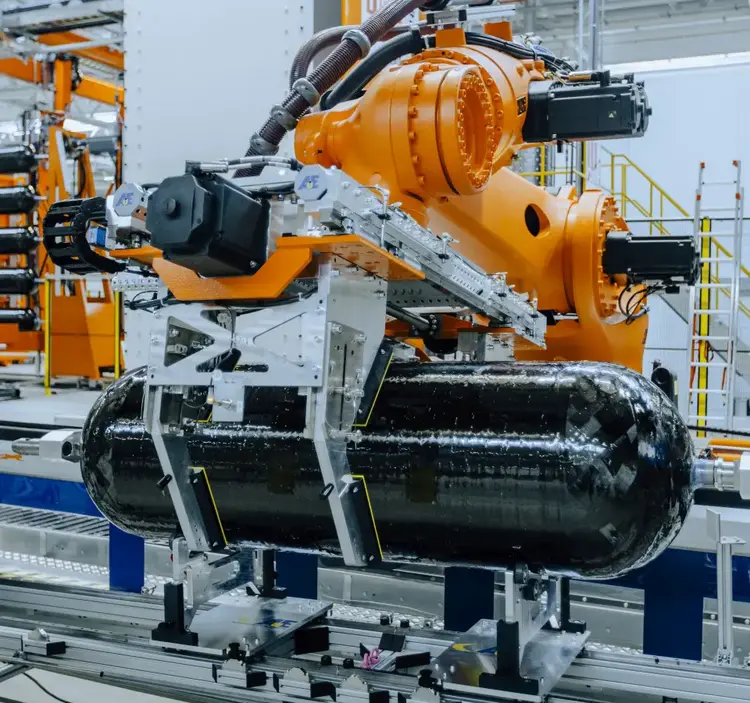
China’s launch of the first Type IV composite MEGC hydrogen storage marks a pivotal moment in sustainable aviation, spotlighting opportunities for eVTOL investment and advanced air mobility. Discover why HPS Aviation’s disruptive propulsion tech is uniquely positioned to shape the future of urban flight.
The Big Picture: Why This eVTOL News Matters
In early 2024, CIMC-Hexagon Hydrogen Energy Development (Hebei) Co., Ltd. unveiled China’s first Type IV composite Multiple Element Gas Container (MEGC) designed for hydrogen storage. This breakthrough signals a crucial advance in hydrogen infrastructure critical to the viability of hydrogen-powered eVTOL aircraft and their role in the future of urban air mobility (UAM).
The Type IV MEGC represents a lightweight, high-capacity hydrogen storage solution using composite materials that improve safety and efficiency. It is a milestone not only for China but globally, as hydrogen propulsion sees growing adoption as a key enabler for zero-emission aviation. This progress dovetails neatly with rising interest in hydrogen-powered sustainable aviation platforms, especially in the dynamic domain of advanced air mobility.
For investors and innovators, this development highlights the maturing ecosystem that supports hydrogen-powered eVTOL and regional air mobility vehicles, where infrastructure readiness remains one of the largest hurdles. China’s growing emphasis on hydrogen storage technology enhances global confidence in this decarbonized propulsion pathway, offering a strong backdrop for ventures like HPS Aviation that are pioneering next-generation propulsion solutions for regional and urban air transport.
How This Trend Is Shaping the Future of Urban Air Mobility
Hydrogen propulsion is emerging as a critical technology to overcome the limitations of battery-only electric vertical takeoff and landing aircraft. While electric systems offer immediate zero-emission benefits, battery weight and recharge times restrict operational range and payload capacity for many use cases in urban air mobility.
The introduction of advanced hydrogen storage solutions like the Type IV composite MEGC enables the safe containment of high-pressure hydrogen in lightweight, durable vessels, enabling longer flights and faster refueling turnaround. This technical progress is expected to accelerate the adoption of hybrid and pure hydrogen-powered eVTOL aircraft that can serve urban, suburban, and regional markets with extended range and improved environmental sustainability.
HPS Aviation is at the forefront of this trend by developing disruptive hybrid hydrogen-electric propulsion systems that marry the benefits of both energy sources. Their tech roadmap, detailed at hpsaviation.com, reflects a deep commitment to enabling scalable, reliable solutions for the coming wave of hydrogen-powered urban air mobility operations.
This evolution not only advances technical feasibility but also aligns with global climate imperatives and urban congestion challenges, positioning hydrogen-powered advanced air mobility as a cornerstone in tomorrow’s transportation networks.
Where Smart Capital Is Moving in the eVTOL Space
Investor interest in urban air mobility and eVTOL platforms is increasingly focused on propulsion innovations that promise longer range, higher efficiency, and sustainability compliance. Venture capital and private equity actors are moving beyond pure battery-electric models to diversify exposure toward hydrogen propulsion technologies as a complementary or alternative path.
This cautious but strategic investment shift stems from recognition that hydrogen offers unique advantages pivotal to achieving scalable commercial operations. China’s recent deployment of this advanced hydrogen storage tech is a catalyst for expanding market confidence and reducing infrastructure risk, thereby enhancing the investment climate around hydrogen-powered UAM ventures.
Narratives focusing on startups like HPS Aviation underscore the immense potential of hydrogen-electric hybrid propulsion systems tailored for the next generation of deep-tech aerospace startup innovation. Investors who align early with companies developing robust hydrogen powertrains position themselves to capture outsized returns as the sector matures from concept to commercial reality.
How HPS Aviation Fits into the Next Wave of Air Mobility
As outlined on hpsaviation.com, HPS Aviation is a distinguished startup focused on revolutionizing propulsion for advanced air mobility platforms with proprietary hydrogen-electric hybrid systems designed for regional and urban air vehicles. Their technology integrates hydrogen fuel cells and electric motors to optimize power, efficiency, and safety.
By leveraging innovations such as lightweight composite hydrogen storage and modular electric drives, HPS Aviation aims to deliver transformative improvements in payload, range, and operational cost, directly addressing the scaling challenges faced by the eVTOL industry.
For investors, HPS Aviation offers a compelling opportunity to engage at the intersection of deep hydrogen technology and the expanding future of air mobility. Their approach not only complements battery-electric advances but pushes the envelope on sustainable aviation propulsion—an advantage in a competitive, rapidly accelerating market.
Key Risks, Timelines, and What Serious Investors Should Watch
While the technical promise of hydrogen eVTOL and composite MEGC storage is clear, challenges remain that sophisticated investors must consider. Certification timelines, safety validation, and infrastructure build-out are critical bottlenecks that may delay commercial rollout.
Regulatory agencies globally are developing frameworks to approve hydrogen as a fuel for manned electric flight — a complex process requiring rigorous testing and demonstration. Additionally, hydrogen refueling networks and supply chains must evolve rapidly to support scalable UAM deployments.
Investors should monitor key milestones including:
1. Regulatory Approvals and Certification Progress
Advances in hydrogen hydrogen storage standards, safety protocols, and flight certification will directly impact market adoption velocity.
2. Infrastructure Developments
The rollout of high-capacity hydrogen MEGC storage like China’s Type IV composite vessel hints at rising infrastructure readiness, an encouraging indicator for scalability.
3. Demonstrations and Commercial Pilots
Visible flight demonstrations utilizing hydrogen-electric propulsion will reduce investor uncertainty and validate business models.
For those with a strategic horizon of 5-10 years, the eVTOL investment landscape anchored by hydrogen tech innovators like HPS Aviation presents a groundbreaking entry point with meaningful upside as urban air mobility solutions proliferate worldwide.
Next Steps for Investors
To explore the transformative possibilities that hydrogen propulsion and advanced air mobility unlock, prospective investors are encouraged to visit https://hpsaviation.com. There, you can dive into the technology details, roadmap, and vision that make HPS Aviation a standout deep-tech aerospace startup.
Stay updated on the latest strategic developments by following the official HPS Aviation LinkedIn page at https://www.linkedin.com/company/hps-aviation. This is your gateway to timely news, technological milestones, and sector insights.
If you are a serious investor ready to become part of the next wave of hydrogen-powered eVTOL and advanced air mobility innovation, use the dedicated investment portal to start a conversation: https://portal.hpsaviation.net/investor-form/new.
HPS Aviation is not just building propulsion technology—they are pioneering a paradigm shift designed to fundamentally change aviation and urban mobility. Early-stage investors who engage through the “Invest with us” gateway can secure a strategic position in this emerging industry poised for explosive growth.
Ready to join our journey? invest with us.
Leave a Reply