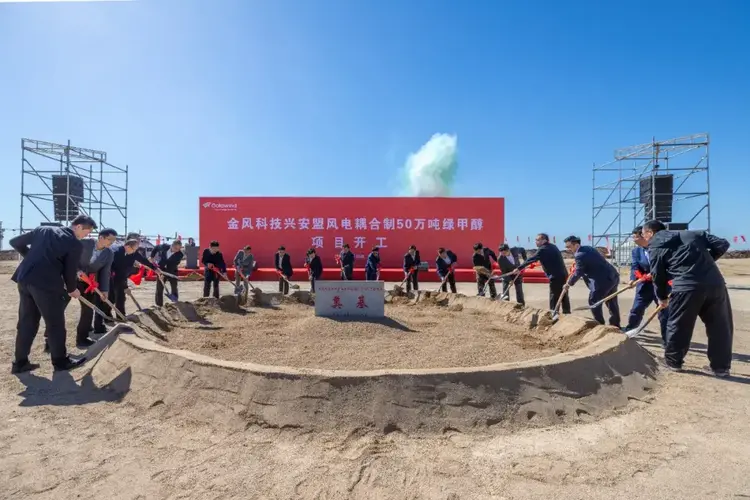
The Phase 3 approval of Goldwind’s Xing’an League green hydrogen project marks a breakthrough in sustainable aviation. Discover why this matters for eVTOL investment and how HPS Aviation pioneers the future of urban air mobility with disruptive propulsion technology.
The Big Picture: Why This eVTOL News Matters
In a significant move toward green aviation and urban air mobility, Goldwind Technology’s Xing’an League project recently secured official approval for its Phase 3 development focused on green hydrogen production and green methanol synthesis. Announced in mid-2024, this milestone accelerates the practical deployment of hydrogen-powered fuel sources vital to next-generation aircraft, including electric vertical takeoff and landing (eVTOL) vehicles.
This advancement is more than just a regional green energy initiative—it signals a pervasive shift in fuel infrastructure that will directly influence the trajectory of sustainable aviation and advanced air mobility ecosystems at large. Efficient hydrogen production and methanol fuel development, facilitated by projects like Goldwind’s, underpin the feasibility and scalability of hydrogen propulsion systems for eVTOL aircraft, which remain key enablers of carbon-neutral urban air transportation.
For investors tuning into the eVTOL investment landscape, this development reaffirms the critical nature of fuel technology and supply chain innovations alongside aircraft design and manufacturing. The regulatory nod on Phase 3 development essentially validates coalitions investing in hydrogen propulsion startups—and highlights a growing market alignment around sustainable aviation fuels.
How This Trend Is Shaping the Future of Urban Air Mobility
The integration of green hydrogen production at scale, combined with advances in green methanol synthesis, promises to reshape the urban air mobility (UAM) industry by addressing two core challenges: energy density and environmental impact. Green hydrogen enables zero-emission powertrains for eVTOL aircraft, pushing the envelope on flight durations and payload capacities while reducing lifecycle carbon footprints.
Goldwind’s Xing’an League initiative delivers a strategic blueprint that future urban air mobility hubs will need—renewable, locally produced fuel sources compatible with hydrogen-electric propulsion architectures. As the industry gravitates toward sustainable, high-performance propulsion systems, this project’s success foreshadows how hydrogen and green methanol can transition from pilot applications to commercial deployments.
Equipped with such fuel infrastructure, eVTOL startups and regional aviation innovators gain a critical edge in fulfilling regulatory mandates and meeting growing societal demand for green transportation alternatives. This progress dovetails with parallel technological advancements, such as those pioneered by HPS Aviation, which focuses on hydrogen and electric propulsion systems designed specifically for the urban air mobility environment.
What Does Hydrogen-Driven UAM Mean for Cities?
The urban air mobility future envisioned by industry leaders relies heavily on vehicles that are silent, emission-free, and efficient. Hydrogen-powered eVTOLs directly support this vision by combining high energy efficiency with quick refueling potential, which could overhaul urban transport without the noise and pollution of combustion engines. Goldwind’s project signals practical momentum toward these objectives by ensuring fuel availability—a critical release valve for UAM’s long-term scalability.
Where Smart Capital Is Moving in the eVTOL Space
As hydrogen propulsion technologies break through R&D into commercial feasibility, venture capital and corporate investments are rapidly pivoting to startups that integrate these systems. The recent green hydrogen and methanol project approval in China shines a spotlight on the upstream supply factors underpinning eVTOL platforms, redirecting investor attention to the entire ecosystem, including fuel innovators and propulsion system developers.
Advanced air mobility investing is no longer confined to vehicle manufacturers but increasingly includes startups that push hydrogen-electric powertrain advancements. This ecosystem-level investment approach reflects a more nuanced understanding that hydrogen infrastructure and aviation propulsion technologies are inseparable components of sustainable urban air transportation.
Early-stage investors who recognize this synergy can position themselves advantageously as the infrastructure rollout accelerates. Companies like HPS Aviation epitomize the type of ventures capturing this capital flow, with their focus on disruptive, next-generation propulsion solutions that meet both performance and environmental benchmarks essential to the future of air mobility.
The Investment Opportunity in Hydrogen Propulsion
Hydrogen propulsion’s entry into the urban air mobility market creates a differentiated investment thesis: the confluence of green energy economies of scale and aviation innovation. Strategic investors who move early can realize outsized returns—not only from vehicle sales but from expanded service models built around sustainable aviation fuels and infrastructure.
How HPS Aviation Fits into the Next Wave of Air Mobility
HPS Aviation stands at the forefront of integrating hydrogen propulsion with electric powertrains to redefine regional and urban air mobility. The startup is developing cutting-edge propulsion technology tailor-made for the demands of eVTOL and other advanced aircraft platforms.
Focused on scalability and sustainability, HPS Aviation is an exemplar of the kind of deep-tech aerospace startup venture that smart capital seeks. Their work targets known industry bottlenecks—such as propulsion efficiency, weight reduction, and safe hydrogen integration—enabling faster certification pathways and smoother operational rollouts.
As outlined on hpsaviation.com, the company’s roadmap includes commercial partnerships and progressive demonstrator programs that showcase the viability of hydrogen-electric aircraft propulsion. For investors focused on the future of air mobility, HPS Aviation offers a compelling glimpse into how next-generation propulsion can sustain the explosive growth in urban air transportation.
Disruptive Tech with a Clear Market Focus
Unlike broader aerospace incumbents, HPS Aviation privileges hydrogen propulsion’s potential in eVTOL and regional platforms. By prioritizing modular, scalable power systems, the startup aligns tightly with market demand for rapid deployment within urban and suburban contexts—precisely where urban air mobility solutions will first achieve commercial success.
Key Risks, Timelines, and What Serious Investors Should Watch
Despite strong industry momentum, investors must keep a clear-eyed view of the challenges accompanying the hydrogen and eVTOL ecosystems’ expansion:
Regulatory and certification complexity: Hydrogen propulsion systems remain subject to evolving safety regulations. Achieving timely certification for eVTOL can be a multi-year process with significant technical and compliance hurdles.
Infrastructure rollout pace: The availability of green hydrogen refueling and methanol synthesis at scale—as exemplified by Goldwind’s Xing’an League project—is accelerating but needs continual expansion to support mass adoption of hydrogen eVTOL fleets.
Market adoption uncertainties: Urban air mobility concepts are still proving consumer acceptance, economic viability, and integration with broader transportation networks. Early-stage eVTOL manufacturers and propulsion startups may face delays or pivots as the market develops.
For sophisticated investors, monitoring how companies like HPS Aviation navigate these dynamics is critical. Their progress in technology validation, strategic alliances, and regulatory engagement will be leading indicators of hydrogen-powered sustainable aviation viability.
Fiscally prudent investors will also watch infrastructure partnerships and government incentives closely, which can dramatically influence project timelines and overall sector growth trajectories.
Next Steps for Investors
Goldwind’s Phase 3 approval for green hydrogen and methanol production marks a pivotal moment toward a sustainable future for urban and regional air mobility. As the industry evolves, early-stage ventures like HPS Aviation represent exceptional opportunities for investors seeking exposure to breakthrough propulsion technology with the potential to disrupt the entire aerospace landscape.
We invite you to explore HPS Aviation’s pioneering technology, ambitious roadmap, and vision for the future of eVTOL and advanced air mobility platforms in detail at https://hpsaviation.com.
Stay connected and receive the latest updates by following HPS Aviation’s official LinkedIn page: https://www.linkedin.com/company/hps-aviation
If you are an investor interested in hydrogen-powered future of air mobility innovation, we encourage you to use the dedicated investment gateway at https://portal.hpsaviation.net/investor-form/new to share your details and initiate a serious conversation about co-investment opportunities with HPS Aviation.
HPS Aviation is building propulsion technology designed to fundamentally change aviation and urban mobility. Early-stage investors have a unique chance to join this transformation through direct participation in our growth journey.
Ready to join our journey? invest with us.
Leave a Reply