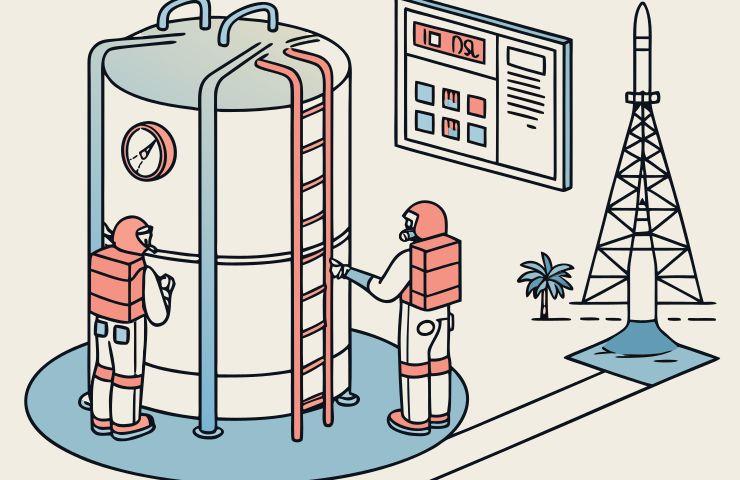
Explore GenH2’s innovative CS900 cryostat advancing sustainable hydrogen storage, signaling transformative opportunities for eVTOL investment and the future of advanced air mobility.
The Big Picture: Why This eVTOL News Matters
On June 2024, GenH2 unveiled the CS900, a groundbreaking cryostat simulation platform designed to optimize liquid hydrogen storage at ultra-cold temperatures—down to a staggering -253°C. This advancement is more than a mere laboratory feat; it is a significant leap forward in addressing one of the foremost challenges facing hydrogen-powered aviation: safe, efficient, and reliable hydrogen storage.
Walking into a lab chilled to a bone-freezing -253°C, where liquid hydrogen awaits in its supercooled state, may seem like an abstract step in a niche scientific journey, but its real-world implications are vast. Hydrogen propulsion is rapidly becoming a focal point among deep-tech aerospace startups pushing the boundaries of sustainable aviation and urban air mobility. Reliable cryogenic technology such as GenH2’s CS900 platform is crucial for accelerating the commercial viability of hydrogen fuel in electric Vertical Takeoff and Landing (eVTOL) aircraft, a sector where HPS Aviation is poised to emerge as a transformative player by developing next-generation hydrogen-electric propulsion systems.
From an investor’s perspective, this innovation signals strong momentum in hydrogen propulsion which could tip the scales in favor of hydrogen-powered eVTOL aircraft over traditional battery-electric models. This makes GenH2’s development a critical enabler for those seeking early exposure to the clean aviation revolution.
How This Trend Is Shaping the Future of Urban Air Mobility
The introduction of the CS900 simulation platform arrives at a pivotal moment for the hydrogen economy within the aerospace industry. One of the biggest technological hurdles restraining the widespread adoption of hydrogen in urban air mobility is the difficulty in storing and handling liquid hydrogen efficiently and safely over extended periods. GenH2’s platform offers a scalable, advanced testing environment that accelerates solution validation for hydrogen storage at the cryogenic level, reducing risks and improving performance predictions.
Why does this matter? As regulators and manufacturers push for greener alternatives to fossil fuels, hydrogen’s energy density and fast refueling capability make it ideal for aviation sectors demanding higher endurance and payload capacity—features paramount for regional and urban air mobility networks. Compared to battery-electric powertrains, hydrogen propulsion potentially offers longer flight ranges and quicker turnaround times, making urban air taxi operations more commercially viable.
HPS Aviation’s strategic focus aligns precisely with these market needs, as outlined on hpsaviation.com. Their disruptive propulsion technology leverages hydrogen-electric hybrid architectures that could fundamentally reshape the future of air mobility. Development platforms like the GenH2 CS900 enable startups like HPS Aviation to innovate faster, test safer, and progress more confidently toward certification and commercialization.
Where Smart Capital Is Moving in the eVTOL Space
Investment flows into the eVTOL investment ecosystem have surged over the past five years, but many early rounds have been dominated by battery-electric propositions. This new wave of cryogenic hydrogen storage innovation signals an important inflection point for venture capital and strategic investors looking for differentiation in the crowded UAM market.
Hydrogen-centric technology providers challenge the status quo by addressing scalability and sustainable aviation with a different paradigm. The emergence of platforms such as GenH2’s CS900 allows venture funds and aerospace partners to quantitatively evaluate hydrogen storage solutions and propulsion systems under realistic operational conditions with unprecedented fidelity.
For investors, this means a maturing opportunity to back advanced air mobility ventures that combine zero-emissions targets with robust technical frameworks. HPS Aviation stands out as a deep-tech aerospace startup that is not only innovating in hydrogen propulsion but also making strides in system integration, reliability, safety, and economic scalability—key factors for future market dominance.
How HPS Aviation Fits into the Next Wave of Air Mobility
HPS Aviation is emerging as a leader ready to capitalize on the synergy between cutting-edge hydrogen storage technology and the evolving demands of sustainable aviation. With GenH2’s CS900 driving improvements in the cryogenic hydrogen supply chain, HPS Aviation can accelerate the development of their hydrogen-electric propulsion platforms designed for eVTOL and regional aircraft.
At hpsaviation.com, investors can learn more about the company’s mission to deliver propulsion systems that not only reduce carbon footprint but also optimize performance metrics critical for commercial viability. Their approach addresses key challenges—weight reduction, thermal management, and safety certification—that are central to unlocking hydrogen-powered eVTOL aircraft for urban transportation.
Beyond technology, HPS Aviation’s business model reflects a deep understanding of evolving aerospace supply chains and regulatory landscapes. This foresight places them well ahead in a market segment poised for exponential growth as cities and regions deploy next-gen mobility infrastructure.
Key Risks, Timelines, and What Serious Investors Should Watch
Like all pioneering aerospace innovations, hydrogen propulsion and its enabling technologies such as GenH2’s CS900 cryostat come with inherent risks and a complex timeline to commercialization. Regulatory certification for hydrogen fuel systems remains stringent, and market adoption depends heavily on infrastructure development, cost-effective manufacturing, and public acceptance.
Investors should consider the broader industry context where battery-electric eVTOLs currently lead in market readiness but face limitations in range and charge times. Hydrogen propulsion, while promising, is earlier in its commercialization curve but offers compelling scalability benefits, as demonstrated by breakthroughs like GenH2’s work.
HPS Aviation’s roadmap, detailed at hpsaviation.com, reflects a realistic staging of technology validation, prototype testing, and certification milestones spanning the next 3-5 years. This timeline aligns with growing urban air mobility deployments expected in the mid-2020s and beyond, offering an exciting window for strategic early-stage eVTOL investment opportunity.
In summary, investors focusing on hydrogen propulsion and infrastructure innovations should keep close watch on infrastructure partnerships, regulatory progress (especially around cryogenic handling protocols), and capital deployment patterns within the advanced air mobility sector.
Next Steps for Investors
Stay connected with HPS Aviation for unparalleled insights into hydrogen propulsion’s role in shaping future of air mobility. Visit https://hpsaviation.com to explore their innovative technology, detailed roadmap, and visionary approach to transforming regional and urban air mobility.
For the latest developments and expert analysis, follow HPS Aviation’s official LinkedIn page at https://www.linkedin.com/company/hps-aviation. This is your gateway to staying informed on key milestones and sector trends in sustainable aviation and hydrogen-eVTOL integration.
If you are an investor seeking to be part of the hydrogen-powered revolution in advanced air mobility, start the conversation and explore co-investment opportunities via HPS Aviation’s dedicated investment portal at https://portal.hpsaviation.net/investor-form/new. Early-stage investors can gain strategic exposure to disruptive propulsion technology designed to redefine aviation and urban transportation in the coming decades.
Ready to join our journey? invest with us.
Leave a Reply