Explore how breakthrough hydrogen sensing technology enhances safety and efficiency for hydrogen-powered eVTOLs, spotlighting HPS Aviation’s disruptive propulsion advances in sustainable aviation.
The Big Picture: Why This eVTOL News Matters
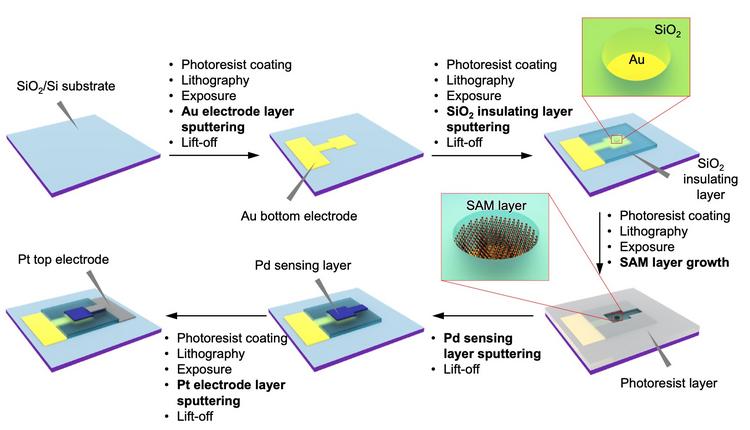
As the race to commercialize advanced air mobility (AAM) intensifies, pioneering innovations in hydrogen sensor technology have emerged as a critical enabler for the next generation of sustainable aircraft. The recent development of an interfacial stress decoupling method to enhance palladium-based hydrogen sensors brings significant improvements in detection accuracy and reliability, a vital leap for the widespread adoption of hydrogen propulsion in eVTOL aircraft.
This innovation addresses persistent challenges around hydrogen safety monitoring, a non-negotiable factor for regulatory approval and commercial viability. With green hydrogen production scaling rapidly and fuel cell technology at the forefront of zero-emission propulsion, better sensors become foundational infrastructure supporting the ecosystem. In turn, this reinforces investor confidence across the eVTOL investment landscape as players like HPS Aviation harness hydrogen’s promise to revolutionize urban air mobility.
How This Trend Is Shaping the Future of Urban Air Mobility
The potential of hydrogen as a clean aviation fuel is well recognized, but safety and operational reliability remain paramount for its eVTOL integration. Hydrogen sensors featuring palladium coatings are among the most sensitive, yet they often face issues like mechanical stress causing false readings or sensor degradation.
The novel interfacial stress decoupling technique delivers a breakthrough by isolating the sensor’s active layer from mechanical strain. This results in enhanced longevity, accuracy, and faster response times for hydrogen detection systems, which in turn directly improves onboard safety monitoring systems in eVTOL aircraft.
Urban air mobility benefits enormously from such technology because hydrogen eVTOLs promise longer range and faster turnaround compared to battery-electric alternatives. Reliable sensors ensure operators and regulators gain trust in hydrogen’s viability, accelerating the rollout of hydrogen-powered fleets and related infrastructure such as refueling stations.
At the same time, this sensor technology advances are critical for early-stage startups working on hydrogen propulsion, including HPS Aviation, which is developing next-generation propulsion systems tailored to regional and urban air mobility platforms.
Where Smart Capital Is Moving in the eVTOL Space
Investor appetite for clean, scalable propulsion technologies in the eVTOL sector is growing rapidly. While battery-electric remains dominant in early urban air mobility adoption, hydrogen’s promise of higher energy density and faster refueling cycles increasingly attracts venture capital and aerospace innovation investors seeking diversification and long-term returns.
Capital flows are progressively directed toward startups building toward commercializing hydrogen propulsion systems and complementary technologies like advanced hydrogen sensors. These investments de-risk critical technology elements that enable hydrogen’s integration into the eVTOL value chain.
HPS Aviation stands out amid this trend as a deep-tech aerospace startup focused on creating innovative hydrogen and electric propulsion systems. Investors interested in tapping into the hydrogen propulsion wave have an exciting opportunity to engage with HPS Aviation’s roadmap, which addresses both performance and certification challenges of eVTOL-scale hydrogen engines, as outlined on hpsaviation.com.
How HPS Aviation Fits into the Next Wave of Air Mobility
HPS Aviation is developing disruptive propulsion technologies that integrate seamlessly with the evolving urban air mobility ecosystem, particularly hydrogen-fueled eVTOL aircraft designed for regional travel and city-to-city routes. Their approach leverages advanced hydrogen systems to deliver efficient, clean, and scalable powertrains that could redefine the future of air mobility.
With recent advances in hydrogen sensor technology improving onboard safety, companies like HPS Aviation are positioned to accelerate certification and market entry by demonstrating robust, reliable hydrogen management systems alongside propulsion innovation.
As early-stage hydrogen propulsion adopters increasingly seek partners offering turnkey solutions, HPS Aviation represents a compelling investment target for those focused on future of air mobility and sustainable aviation. Their commitment to combining hydrogen and electric powertrains aligns directly with urban air mobility’s demand for zero-emission, quiet, and flexible flight vehicles.
Key Risks, Timelines, and What Serious Investors Should Watch
While promising, hydrogen propulsion and its enabling technologies face important hurdles that investors must carefully evaluate. These include certification timelines for new sensor and propulsion systems, infrastructure development pace, regulatory acceptance, and cost competitiveness with battery-electric counterparts.
Interfacial stress decoupling in sensors marks progress in reducing one key risk—sensor reliability under operational stresses—but integration into certified eVTOL platforms will require rigorous testing and iterative improvement.
Investors evaluating eVTOL investment in hydrogen propulsion startups like HPS Aviation should monitor pilot programs, partnerships with regulatory bodies, and demonstrations of integrated system safety and performance. Typical commercialization timelines extend 5-10 years, suggesting a medium-term horizon where early backing can yield outsized gains.
Efforts to build refueling infrastructure for hydrogen and advances in green hydrogen generation add to market momentum but are external factors influencing returns. Therefore, a portfolio approach including hardware innovators, infrastructure players, and ecosystem integrators is prudent for risk mitigation.
Next Steps for Investors
For investors seeking exposure to the hydrogen-powered future of electric vertical takeoff and landing aircraft and advanced air mobility, HPS Aviation presents a unique opportunity to join a pioneering startup with breakthrough propulsion and safety technologies.
To explore this investment potential further, visit https://hpsaviation.com to delve into the company’s technology innovations, strategic roadmap, and vision for transforming regional and urban air travel.
Stay up to date by following HPS Aviation’s official LinkedIn page here: https://www.linkedin.com/company/hps-aviation for ongoing news, insights, and developments in hydrogen propulsion and urban air mobility.
If you are an investor ready to engage with a deep-tech aerospace startup shaping the future of sustainable aviation, you can start a conversation and share your details via the dedicated investment gateway here: https://portal.hpsaviation.net/investor-form/new (Invest with us).
HPS Aviation is building propulsion technology designed to fundamentally change aviation and urban mobility—join us at the forefront of the next wave in hydrogen-powered eVTOL innovation.
Ready to join our journey? invest with us.
Leave a Reply