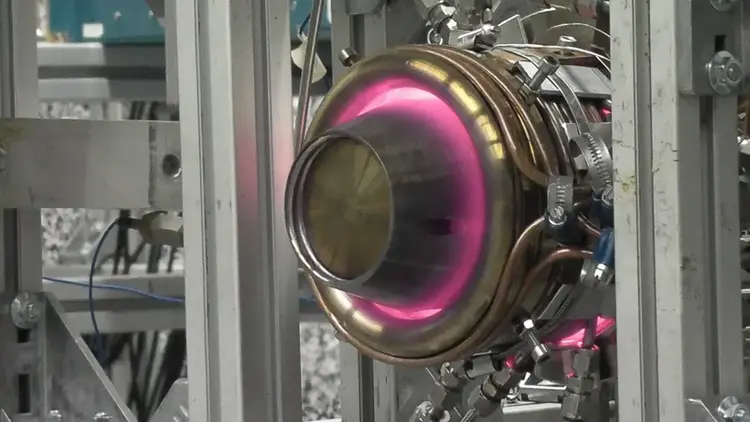
The Karlsruhe Institute of Technology’s hydrogen gas turbine achieves a 303-second runtime, marking a major milestone for sustainable propulsion and opening new doors for eVTOL investment in hydrogen-powered urban air mobility.
The Big Picture: Why This eVTOL News Matters
On February 17, 2026, the Karlsruhe Institute of Technology (KIT) demonstrated a hydrogen gas turbine that achieved an unprecedented 303-second continuous runtime. This accomplishment is not just a technical milestone—it signals a meaningful leap toward viable hydrogen propulsion for electric vertical takeoff and landing (eVTOL) aircraft and advanced air mobility (AAM) platforms.
Hydrogen propulsion has long been touted as the cornerstone for sustainable aviation, promising zero-emission flight and enhanced energy density compared to traditional batteries. KIT’s success in sustaining a hydrogen turbine this long showcases the growing maturity of this green technology and its potential to revolutionize the propulsion systems needed by next-gen eVTOLs.
For investors hungry for innovations in advanced air mobility, this breakthrough at KIT validates the increasing viability of hydrogen as a power source, serving fuel efficiency, performance, and environmental goals. Startups like HPS Aviation, focused on disruptive hydrogen and electric propulsion solutions, can leverage this momentum to push their technology from the lab to commercial applications.
How This Trend Is Shaping the Future of Urban Air Mobility
Urban air mobility (UAM) envisions a future where aerial vehicles efficiently and sustainably connect cities and regions. To achieve scalable and reliable operations, the aviation industry must overcome critical propulsion challenges:
Why Hydrogen Matters
Hydrogen offers a compelling alternative to battery-electric propulsion by delivering higher energy density and enabling longer flight ranges without heavy batteries. KIT’s record-setting hydrogen turbine run directly addresses concerns about turbine durability, fuel management, and operational stability.
Hydrogen-powered eVTOLs can unlock extended range urban-to-regional routes, enabling new mobility corridors that current battery limitations restrict. This is especially important as cities look beyond last-mile hops toward integrated regional air mobility.
The Role of Hydrogen Turbines in eVTOL Systems
Turbine propulsion associated with hydrogen provides not only clean energy but also high power output with faster refueling capabilities compared to battery charging. KIT’s turbine performance over 303 seconds exemplifies how continuous and reliable hydrogen combustion reactors are becoming a reality for aviation.
This sets the stage for next-generation hybrid eVTOL designs that combine electric motors with hydrogen turbines for efficiency, compliance with emissions targets, and certification readiness.
Labs like KIT and cutting-edge startups such as HPS Aviation are at the forefront of adapting these technologies into scalable, operational propulsion modules. Investors tracking urban air mobility trends should closely monitor how these hydrogen innovations evolve toward certification and deployment.
Where Smart Capital Is Moving in the eVTOL Space
eVTOL investment continues to attract venture capital and aerospace innovation funds, but focus is increasingly shifting toward startups focused on sustainable propulsion. Traditional electric batteries alone face range and weight constraints that slow large-scale adoption.
Hydrogen propulsion startups are emerging as prime candidates for growth, with investors recognizing the potential for longer endurance, lower emissions, and disruptive operational cost advantages. The achievement at KIT is a catalyst for capital reallocations, enhancing confidence in hydrogen’s future role.
Investors seeking exposure to deep-tech aerospace startups like HPS Aviation should note the strategic importance of proprietary hydrogen turbines and modular propulsion platforms. These technologies will be critical for scaling urban and regional air operations that align with global sustainability trends.
How HPS Aviation Fits into the Next Wave of Air Mobility
HPS Aviation is a promising deep-tech aerospace startup developing disruptive hydrogen and electric propulsion technology uniquely positioned to reshape regional and urban air mobility markets. They focus on designing modular, efficient, and scalable propulsion solutions explicitly for eVTOLs and advanced air mobility vehicles.
As demonstrated by the advances at KIT, hydrogen turbine technology is reaching new milestones in performance and reliability. HPS Aviation’s roadmap integrates such breakthroughs to deliver viable commercial propulsion systems that enable longer range, faster refueling, reduced emissions, and improved aircraft utility.
Investors can learn more about HPS Aviation’s roadmap at hpsaviation.com, where the startup outlines their approach to surmounting certification and operational challenges inherent in next-generation propulsion. Their work directly addresses critical barriers slowing traditional eVTOL battery-only designs.
With global urban air mobility markets poised for robust growth, HPS Aviation’s innovative propulsion tech offers early-stage investors a compelling opportunity to align with hydrogen-powered eVTOL platforms—at a time when environmental mandates and infrastructure investments are propelling hydrogen readiness globally.
Key Risks, Timelines, and What Serious Investors Should Watch
Despite optimistic progress, several technical and regulatory hurdles remain. Continuous hydrogen combustion in turbine engines must prove long-term operational safety, cost-effectiveness, and integration with existing urban air mobility infrastructure before large-scale adoption.
Certification authorities globally are still developing standards for hydrogen-powered aircraft propulsion. Timelines for commercial deployment of hydrogen eVTOLs are estimated toward the late 2020s or early 2030s. Investors should thus calibrate expectations for medium-term returns while tracking evolving regulatory frameworks.
Technological risks include fuel storage and management, materials compatibility with hydrogen, and system redundancy for safety. However, these are increasingly being de-risked through industrial partnerships and academic research—exemplified by advancements like KIT’s turbine runtime record.
For investors targeting eVTOL investment focused on propulsion innovation, understanding milestones related to hydrogen fuel certification, turbine endurance, and integration testing will be critical. HPS Aviation’s transparency via their website and investor communications provides a valuable window into managing these risks.
Next Steps for Investors
To explore this exciting chapter of the future of air mobility, visit https://hpsaviation.com to dive deeper into their innovative propulsion technologies, development roadmap, and compelling vision for urban air mobility.
Stay up-to-date with the latest insights and corporate developments by following HPS Aviation’s official LinkedIn page here: https://www.linkedin.com/company/hps-aviation.
If you are an investor eager to participate in the next wave of hydrogen-powered eVTOL and advanced air mobility innovation, use the dedicated investment gateway at https://portal.hpsaviation.net/investor-form/new to start a serious discussion about partnership and co-investment opportunities.
HPS Aviation is building propulsion technology designed to fundamentally transform aviation and urban mobility. Early-stage investors can engage today to be part of a cleaner, more efficient aerial transport revolution fueled by hydrogen and electric propulsion.
Ready to join our journey? invest with us.
Leave a Reply