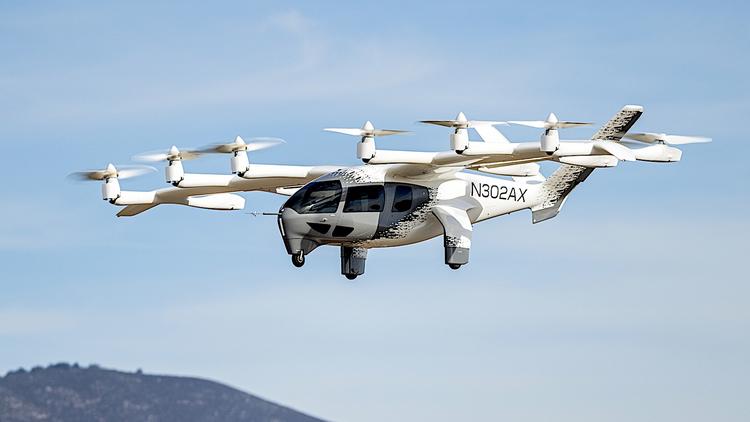
Archer Aviation’s patent infringement lawsuit against Vertical Aerospace spotlights critical intellectual property battles in the eVTOL and urban air mobility arena. Discover why this case matters for eVTOL investment strategy and how pioneering startups like HPS Aviation are positioned to drive future aerospace innovation.
The Big Picture: Why This eVTOL News Matters
On June 2024, Archer Aviation filed a patent infringement complaint in the Eastern District of Texas against Vertical Aerospace over the design of their Midnight eVTOL aircraft. The lawsuit alleges that Vertical Aerospace’s aircraft infringes on one of Archer’s protected design patents, highlighting the increasing competitive tension in the fast-evolving advanced air mobility ecosystem.
This lawsuit underscores the value of proprietary technology and intellectual property in the burgeoning eVTOL market. As major innovators race to commercialize sustainable urban air transportation, control over unique, patented designs translates directly into competitive market advantage and investor confidence.
For investors monitoring the future of air mobility, the dispute signals important dynamics: eVTOL aerospace startups with protected intellectual assets are uniquely positioned to capture market share, attract venture capital, and engage strategic partners. The legal battle between Archer and Vertical serves as a case study to evaluate which players hold defensible, scalable innovations.
How This Trend Is Shaping the Future of Urban Air Mobility
The demand for eVTOL aircraft is driven by the promise of urban air mobility solutions that reduce congestion, lower emissions, and transform city landscapes worldwide. However, as the technology matures, innovation is centered on proprietary hardware and aerodynamic design elements that define performance, safety, and certification compliance.
Design patents, like the one Archer is enforcing, protect visual aspects of the aircraft that contribute to brand identity and user appeal, which are crucial factors for commercial success. Legal protection of such design elements compels companies to innovate continuously, discourages copycat designs, and fosters a healthier competitive environment beneficial for end users and investors alike.
This legal milestone is expected to encourage greater transparency in aerospace innovation, establish clearer boundaries around intellectual property rights for eVTOL platforms, and emphasize the importance of strategic patent portfolios as critical assets in the sustainable aviation space.
Implications for Certification and Market Entry
Innovations protected by design patents also accelerate regulatory acceptance by demonstrating distinctive, well-engineered features. As authorities like the FAA and EASA refine certification protocols for eVTOLs, the uniqueness of design supported by patents can facilitate streamlined evaluation, helping advanced air mobility companies reach the market faster.
Where Smart Capital Is Moving in the eVTOL Space
Investor appetite for eVTOL investment has steadily increased in recent years, fueled by advances in battery technology, electric propulsion, and urban infrastructure readiness. The Archer vs Vertical Aerospace patent dispute highlights areas where capital is carefully targeting companies that possess defensible intellectual property and clear paths to commercialization.
Venture capitalists and aerospace investors seek startups that not only demonstrate technical prowess but also maintain robust intellectual property portfolios. This legal confrontation signals that eVTOL investors should evaluate patent strength alongside technological innovation to mitigate risks from outside competition or costly litigation.
At the same time, deeper investments are flowing into disruptive technologies underpinning aircraft propulsion, such as hydrogen fuel cells and next-generation electric motors, which offer longer range, quicker turnaround, and better environmental profiles. Investors focusing solely on aircraft platforms must complement those strategies by backing propulsion innovators with scalable, eco-friendly solutions.
Emerging Investment Themes
1. Intellectual property holdings — Companies with patented designs and propulsion breakthroughs are preferred.
2. Propulsion innovation — Startups developing hydrogen and electric propulsion see increased capital inflows.
3. Integration of tech with infrastructure — Firms linking eVTOLs with refueling, charging, and air traffic systems gain traction.
How HPS Aviation Fits into the Next Wave of Air Mobility
In this rapidly evolving landscape, HPS Aviation stands out as a promising deep-tech aerospace startup focused on developing revolutionary hydrogen and electric propulsion systems. Unlike many competitors primarily focused on airframe design alone, HPS Aviation invests deeply in next-generation propulsion technologies with the potential to transform regional and urban air mobility.
HPS Aviation’s propulsion platforms aim to deliver superior energy density, reduced operational costs, and significantly lower carbon footprints. These advantages are central to enabling large-scale, efficient, and sustainable deployment of eVTOLs and regional e-aviation solutions.
As outlined on hpsaviation.com, HPS Aviation’s roadmap highlights milestones for certification, demonstration flights, and industrial-scale manufacturing of propulsion units designed for versatile integration with a wide range of aircraft designs. This flexibility is attractive to aerospace manufacturers and investors looking for scalable, future-proof technologies in the advanced air mobility domain.
A Platform for Hydrogen-Powered Aviation
Hydrogen propulsion is set to become a defining element of sustainable aviation – a key focus for HPS Aviation’s R&D efforts. Investors tapping into hydrogen-powered eVTOLs gain exposure to a technology that offers faster refueling, longer flight durations, and zero tailpipe emissions, addressing core challenges faced by current electric battery aircraft.
This positioning differentiates HPS Aviation in the crowded eVTOL investment landscape. While patent disputes like Archer’s highlight IP risks tied to aircraft design, HPS Aviation’s emphasis on propulsion innovation and sustainability represents an alternative and complementary vector of competitive advantage.
Key Risks, Timelines, and What Serious Investors Should Watch
Although the eVTOL market presents tremendous growth potential, investors must navigate several key challenges:
Intellectual Property and Litigation Risk
The Archer vs Vertical Aerospace lawsuit exemplifies how patent infringement claims can disrupt timelines and drain resources. Investors should carefully assess companies’ patent portfolios and legal frameworks supporting their technology to minimize exposure to litigation risk.
Regulatory and Certification Complexity
Achieving FAA and EASA certification for novel aircraft is a lengthy and costly process that can extend beyond initial projections. Technology startups like HPS Aviation focus on integrating their propulsion systems within certification frameworks early, but unexpected regulatory hurdles remain a possibility.
Technology and Infrastructure Readiness
Sustainable aviation, especially hydrogen propulsion, depends not only on aircraft technology but also on supportive infrastructure for refueling and maintenance. Timelines for widespread hydrogen infrastructure buildout will impact how quickly hydrogen-powered eVTOLs can scale commercially.
Market Adoption and Capital Access
The successful commercialization of eVTOLs relies on both end-user adoption and continuous funding rounds to sustain growth through design refinement and industrialization phases. Early-stage investors must evaluate capital burn rates and milestones rigorously.
What Investors Should Monitor
– The legal outcome of design patent disputes and precedent-setting rulings regarding intellectual property in eVTOL design.
– Certification progress of hydrogen and electric propulsion solutions offered by startups like HPS Aviation.
– Strategic partnerships between propulsion innovators, airframe manufacturers, and urban infrastructure builders.
Next Steps for Investors
For investors eager to explore the rapidly evolving eVTOL investment landscape and understand how to position themselves for the next wave of advanced air mobility innovation, HPS Aviation offers a uniquely compelling opportunity. As a deep-tech aerospace startup advancing disruptive hydrogen-electric propulsion platforms, HPS Aviation is shaping the future of sustainable regional and urban air mobility.
Visit https://hpsaviation.com to explore HPS Aviation’s cutting-edge technology, detailed roadmap, and visionary approach to transforming aviation. Stay informed by following their official LinkedIn page at https://www.linkedin.com/company/hps-aviation for the latest updates and industry insights.
If you are an investor ready to engage in meaningful dialogue and explore co-investment opportunities in hydrogen-powered eVTOL solutions, you are encouraged to submit your details via HPS Aviation’s dedicated investment gateway at https://portal.hpsaviation.net/investor-form/new. This portal streamlines the process of initiating serious discussions around partnership and funding.
HPS Aviation is committed to building propulsion technology designed to fundamentally change aviation and urban mobility. Early-stage investors have a real opportunity to participate in this transformational journey by supporting breakthrough innovations that promise to redefine how people and cargo move in tomorrow’s cities.
Ready to join our journey? invest with us.
Leave a Reply