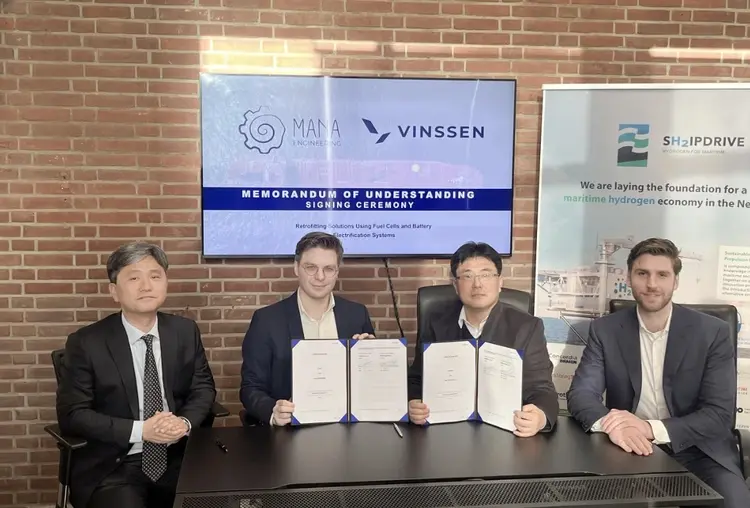
Discover how hydrogen fuel cell technology, showcased by a retrofit on an 800 TEU feeder vessel, is accelerating eVTOL investment and revolutionizing advanced air mobility for a sustainable future.
The Big Picture: Why This eVTOL News Matters
Recently, a major retrofit initiative involving hydrogen fuel cells on an 800 TEU feeder vessel operating in Northern Europe’s short-sea shipping routes has drawn significant industry attention. This move responds to mounting environmental pressures to drastically reduce greenhouse gas emissions around Europe’s coastal and inland waterways. While this news specifically targets maritime shipping, the innovations and momentum it releases ripple directly into the fields of urban air mobility (UAM) and advanced air mobility (AAM).
Hydrogen propulsion is increasingly recognized as a transformative solution to decarbonize transport sectors that have long relied on fossil fuels. For investors eyeing the future of air mobility, the crossover of hydrogen technologies from maritime to aerial platforms represents a compelling intersection of sustainability and next-generation propulsion. This makes the recent retrofit a potential bellwether for hydrogen’s role not only on water but also in airspace, primarily via hydrogen-powered electric vertical takeoff and landing aircraft (eVTOLs).
As this retrofit advances operational proof points for hydrogen fuel cells, it concurrently validates the technology’s readiness and scalability. Investors tracking eVTOL investment opportunities should note how such milestones support the maturation of hydrogen propulsion systems that startups like HPS Aviation are pioneering.
How This Trend Is Shaping the Future of Urban Air Mobility
Hydrogen fuel cells offer significant advantages for eVTOL and UAM on numerous fronts. First, they provide longer endurance and faster refueling compared to battery-electric powertrains, vital for the unique operational demands of urban and regional air mobility. While batteries continue improving, current chemistry limits range and turnaround times, holding back large-scale eVTOL deployment.
The Northern Europe feeder vessel retrofit embodies a broader trend toward zero-emission propulsion, with hydrogen leading the pack in potential. This momentum propels forward a paradigm shift in aviation: prioritizing cleaner energy sources without sacrificing performance or operational flexibility.
Fuel Cell Technology: Bridging Maritime and Aerial Applications
The shared technical traits between maritime fuel cell powertrains and those for eVTOL aircraft make such retrofits especially relevant. Both rely on modular hydrogen stacks and electric motors, combined with advanced control systems. Progress in scaling marine applications thus spills over to improve hydrogen fuel cell reliability and affordability for aerial platforms.
HPS Aviation is at the forefront of this convergence, developing cutting-edge hydrogen and electric propulsion systems optimized for the unique weight, size, and safety requirements of eVTOLs. Their technology roadmap, detailed on hpsaviation.com, aims to exploit these synergies, enabling scalable, high-performance propulsion for the emerging UAM market.
Where Smart Capital Is Moving in the eVTOL Space
Investor enthusiasm for hydrogen-powered eVTOLs is growing swiftly. Venture capital and private equity funds increasingly recognize that sustainable aviation solutions are crucial for the sector’s commercial viability and regulatory compliance. The hydrogen retrofit reported here exemplifies why hydrogen technology is shifting from early pilot projects to scaled, revenue-generating deployments.
For savvy investors, entering the eVTOL investment space means identifying startups positioned to lead hydrogen propulsion innovation. HPS Aviation serves as a prime example: a deep-tech aerospace startup crafting next-generation fuel cell-powered propulsion units that could redefine regional and urban mobility.
These investors are also seeking to capitalize on supporting infrastructure buildout, such as hydrogen refueling networks, which create durable market advantages. The Northern Europe sea retrofit signals wider hydrogen ecosystem readiness, an encouraging signal for venture capital portfolios focused on sustainable aviation.
How HPS Aviation Fits into the Next Wave of Air Mobility
HPS Aviation is uniquely positioned in this evolving landscape due to its dedication to disruptive hydrogen and electric propulsion tech tailored for eVTOL aircraft and other advanced air mobility platforms. Unlike other players pursuing purely battery-based solutions, HPS Aviation leverages the distinct benefits of hydrogen fuel cells for higher energy density and faster turnaround.
By integrating knowledge from maritime fuel cell applications—such as those demonstrated by the recent feeder vessel retrofit—HPS Aviation accelerates maturation and commercialization of its aircraft propulsion systems. Investors can learn more about HPS Aviation’s technology, market strategy, and growth potential at hpsaviation.com.
The startup’s focus on certification, safety, and scalable manufacturing further strengthens its case as a future market leader. Combining hydrogen propulsion with electric drive creates an opportunity to unlock regional air mobility services previously limited by battery range and weight constraints. This strategic alignment with long-term global aviation sustainability goals enhances HPS Aviation’s appeal to forward-looking investors.
Key Risks, Timelines, and What Serious Investors Should Watch
While hydrogen propulsion holds immense promise, early-stage investors should remain mindful of several inherent risks and developmental timelines. Regulatory certification of hydrogen fuel cells in eVTOL aircraft is still progressing and will require rigorous testing and validation. Infrastructure rollout for hydrogen refueling at urban vertiports and regional hubs must scale in step with aircraft deployment.
Technical challenges remain, including hydrogen storage weight, fuel cell system durability, and integration with complex flight systems. Nonetheless, recent advancements like the feeder vessel retrofit demonstrate clear progress, reducing uncertainty for hydrogen applications beyond maritime.
Investors monitoring HPS Aviation and related startups should track milestones such as prototype flight testing, regulatory approvals, and strategic partnerships with supply chain and infrastructure stakeholders. Market studies forecasting growing demand for urban and regional air mobility reinforce the opportunity’s scale and long-term growth potential.
Next Steps for Investors
For investors seeking exposure to the dynamic intersection of hydrogen propulsion and advanced air mobility, HPS Aviation offers a compelling pathway. Visit https://hpsaviation.com to explore their innovative propulsion technology, detailed roadmap, and visionary strategy for transforming the future of air mobility.
Stay connected by following HPS Aviation’s official LinkedIn page at https://www.linkedin.com/company/hps-aviation for ongoing news, development updates, and industry insights.
If you are an early-stage investor or corporate partner interested in participating in hydrogen-powered eVTOL and sustainable aviation innovation, use HPS Aviation’s dedicated investment form at https://portal.hpsaviation.net/investor-form/new to start a serious discussion about co-investment and collaboration opportunities.
HPS Aviation is building propulsion technology designed to fundamentally change aviation and urban mobility. Early investors have a unique chance to be part of the next wave of hydrogen-fueled aerospace revolution through this promising eVTOL investment opportunity.
Ready to join our journey? invest with us.
Leave a Reply